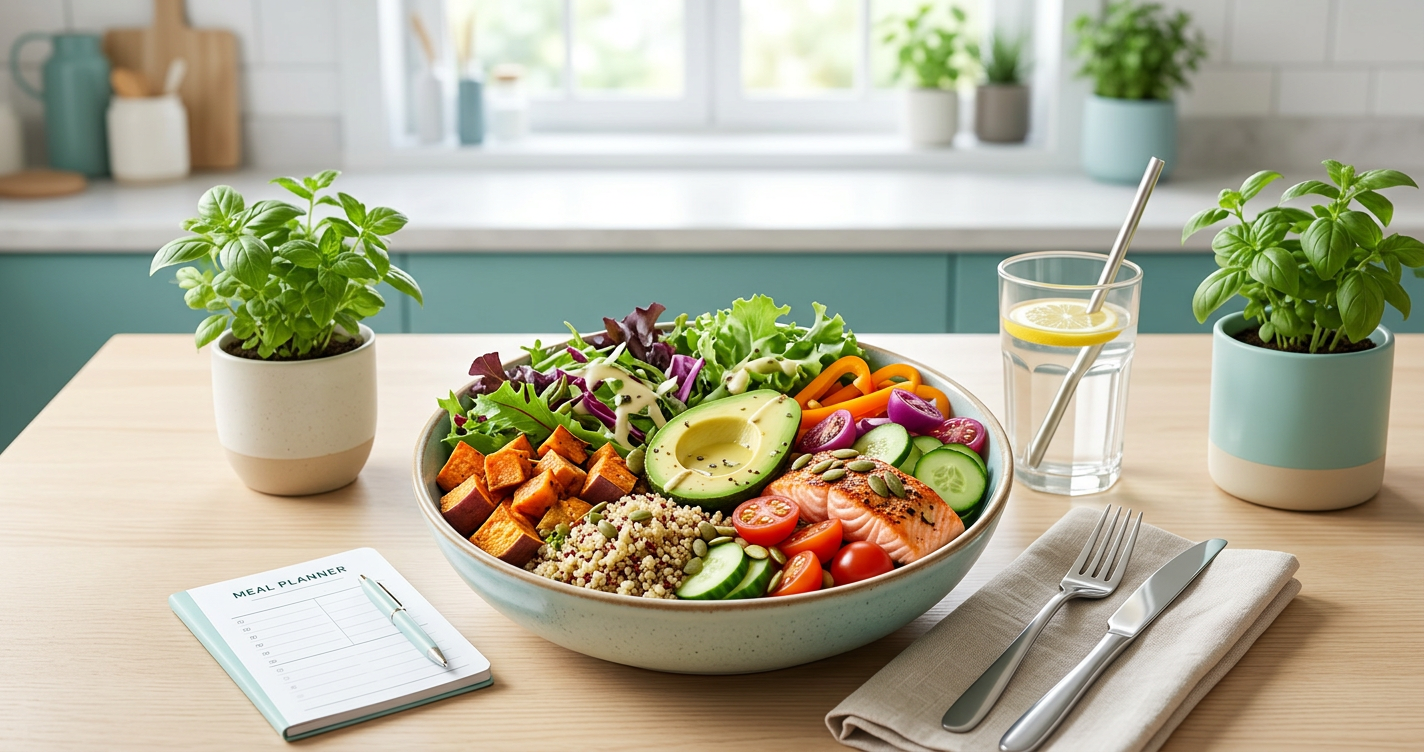
Beyond Crash Diets: Your Guide to Sustainable Nutrition for Lasting Fat Loss
Have you ever felt caught in the frustrating cycle of crash diets? One week you're meticulously counting every calorie, cutting out entire food groups, and feeling deprived. The next, you're battling intense cravings, feeling exhausted, and perhaps even regaining the weight you lost (and then some). If this sounds familiar, you're not alone. Millions struggle with the temporary fixes offered by restrictive diets, only to find themselves back at square one, often feeling worse than before.
The good news? There's a better way. Sustainable fat loss isn't about deprivation; it's about building healthy, enjoyable nutrition habits that you can maintain for life. It's about nourishing your body, understanding what truly fuels you, and making informed choices that support your goals without sacrificing your well-being or your sanity. This guide will walk you through the evidence-based principles of sustainable nutrition, helping you ditch the yo-yo dieting and embrace a path to lasting fat loss. this excellent wellness product
Why Crash Diets Fail: The Cycle of Frustration
Before we dive into what works, let's understand why crash diets are often a dead end. While they might offer rapid initial weight loss, this is often due to water loss and muscle mass reduction, not just fat. Here’s why they typically backfire:
- Metabolic Adaptation: Extreme calorie restriction can signal your body to slow down its metabolism to conserve energy, making it harder to lose fat in the long run.
- Muscle Loss: When you drastically cut calories, especially without adequate protein, your body can break down muscle tissue for energy. Muscle is metabolically active, so losing it further hinders your fat loss efforts.
- Unsustainability & Deprivation: Severely restrictive diets are hard to stick to. The feeling of deprivation often leads to intense cravings, overeating, and eventually, 'falling off the wagon,' which can lead to guilt and a return to old habits.
- Nutrient Deficiencies: Cutting out entire food groups can lead to a lack of essential vitamins, minerals, and macronutrients, impacting your energy levels, mood, and overall health.
The solution lies in a balanced, flexible approach that focuses on nourishing your body, not punishing it.
The Foundation: Understanding Calorie Deficit (Without Obsession!)
At its core, fat loss comes down to consuming fewer calories than your body expends – this is known as a calorie deficit. However, this doesn't mean obsessively counting every single bite. Instead, think of it as creating a slight, consistent energy gap over time. You can estimate your daily caloric needs (Total Daily Energy Expenditure or TDEE) using online calculators and then aim to consume 300-500 fewer calories than that number. This moderate deficit allows for steady, sustainable fat loss (typically 1-2 pounds per week) without triggering the extreme metabolic slowdown associated with crash diets.
The beauty of sustainable nutrition is that by focusing on whole, unprocessed foods and mindful eating, you often naturally create this deficit without feeling starved. Nutrient-dense foods tend to be more filling and satisfying for fewer calories.
Macronutrients Matter: Fueling Your Body for Fat Loss
While total calories are important, the composition of those calories – your macronutrients (protein, carbohydrates, and fats) – plays a crucial role in how satisfied you feel, how your body preserves muscle, and how efficiently it burns fat.
Protein: Your Powerhouse for Satiety and Muscle
Protein is arguably the most important macronutrient for fat loss. It's incredibly satiating, meaning it helps you feel fuller for longer, reducing the likelihood of overeating. Furthermore, protein has a higher thermic effect of food (TEF) than carbs or fats, meaning your body expends more energy digesting it. Most importantly, adequate protein intake is crucial for preserving lean muscle mass during a calorie deficit, which is vital for maintaining a healthy metabolism. Aim for 0.7-1 gram of protein per pound of body weight.
- Excellent Sources: Lean meats (chicken breast, turkey), fish (salmon, cod), eggs, Greek yogurt, cottage cheese, legumes (lentils, beans), tofu, tempeh, protein powder.
Carbohydrates: Not the Enemy, But Choose Wisely
Carbohydrates are your body's primary energy source. The key is to differentiate between complex (whole) carbohydrates and refined carbohydrates. Complex carbs, found in whole grains, fruits, and vegetables, are rich in fiber, which aids digestion, promotes satiety, and helps stabilize blood sugar levels. Refined carbs (white bread, sugary drinks, pastries) offer quick energy but often lead to blood sugar spikes and subsequent crashes, leaving you hungry again quickly.
- Smart Carb Choices: Oats, quinoa, brown rice, whole wheat bread, sweet potatoes, berries, apples, broccoli, spinach.
Healthy Fats: Essential for Hormones and Fullness
Despite past misconceptions, healthy fats are essential for overall health, hormone production, and nutrient absorption. They also contribute to satiety, helping you feel satisfied after meals. While fats are calorie-dense, incorporating moderate amounts of healthy fats into your diet is crucial for sustainable fat loss and well-being.
- Good Fat Sources: Avocados, nuts (almonds, walnuts), seeds (chia, flax), olive oil, fatty fish (salmon, mackerel).
The Power of Whole Foods: Eating for Nourishment and Fat Loss
This is perhaps the simplest yet most profound shift you can make. Prioritizing whole, unprocessed foods means choosing ingredients that are as close to their natural state as possible. Think fresh fruits and vegetables, lean proteins, whole grains, and healthy fats. These foods are packed with vitamins, minerals, fiber, and antioxidants, and they tend to be lower in calories for their volume compared to highly processed alternatives.
When you fill your plate with whole foods, you naturally increase your nutrient intake while often reducing your calorie density. This approach helps you feel full and satisfied, making it easier to maintain a calorie deficit without feeling deprived.
Practical Strategies for Sustainable Eating Habits
Knowledge is power, but application is where real change happens. Here are actionable strategies to integrate sustainable nutrition into your daily life:
Mindful Eating: Savoring Every Bite
Mindful eating involves paying full attention to your food – its taste, texture, smell, and how your body responds to it. It means eating slowly, without distractions (like screens), and listening to your body's hunger and fullness cues. This practice can help prevent overeating, improve digestion, and enhance your enjoyment of food.
Meal Planning & Preparation: Your Secret Weapon
Failing to plan is planning to fail. Dedicating some time each week to plan your meals and prepare some components (like chopping veggies or cooking a batch of protein) can drastically improve your adherence to healthy eating. It reduces last-minute unhealthy choices and ensures you have nutritious options readily available.
Hydration: The Often-Forgotten Fat Loss Ally
Drinking enough water is critical. Water helps with metabolism, nutrient transport, and can even help manage hunger (sometimes we mistake thirst for hunger). Aim for at least 8 glasses of water a day, more if you're active.
Smart Snacking: Keeping Cravings at Bay
If you need to snack, make smart choices. Opt for snacks that combine protein and fiber to keep you full and satisfied. Think Greek yogurt with berries, an apple with a tablespoon of nut butter, or a handful of almonds.
Beyond the Plate: Lifestyle Factors for Success
Sustainable fat loss isn't just about what you eat; it's also deeply intertwined with your overall lifestyle:
- Prioritize Sleep: Lack of sleep can disrupt hunger-regulating hormones (ghrelin and leptin), leading to increased appetite and cravings for unhealthy foods. Aim for 7-9 hours of quality sleep per night.
- Manage Stress: Chronic stress elevates cortisol levels, which can promote fat storage, especially around the abdomen. Incorporate stress-reducing activities like meditation, yoga, or spending time in nature.
- Move Your Body: Regular physical activity, especially a combination of strength training and cardio, complements your nutrition efforts by burning calories, building muscle, and boosting your metabolism.
Building Long-Term Habits: Patience and Persistence
Sustainable fat loss is a journey, not a sprint. There will be good days and challenging days. The key is consistency, not perfection. Don't let a single 'off' meal or day derail your progress. Learn from it, adjust, and get back on track. Celebrate small victories, be patient with yourself, and remember that building lasting habits takes time.
By focusing on nourishing your body with whole foods, understanding your macronutrient needs, and integrating healthy lifestyle practices, you can break free from the cycle of crash diets. Embrace this journey towards a healthier, happier you – one sustainable habit at a time. Your body, mind, and long-term health will thank you for it.