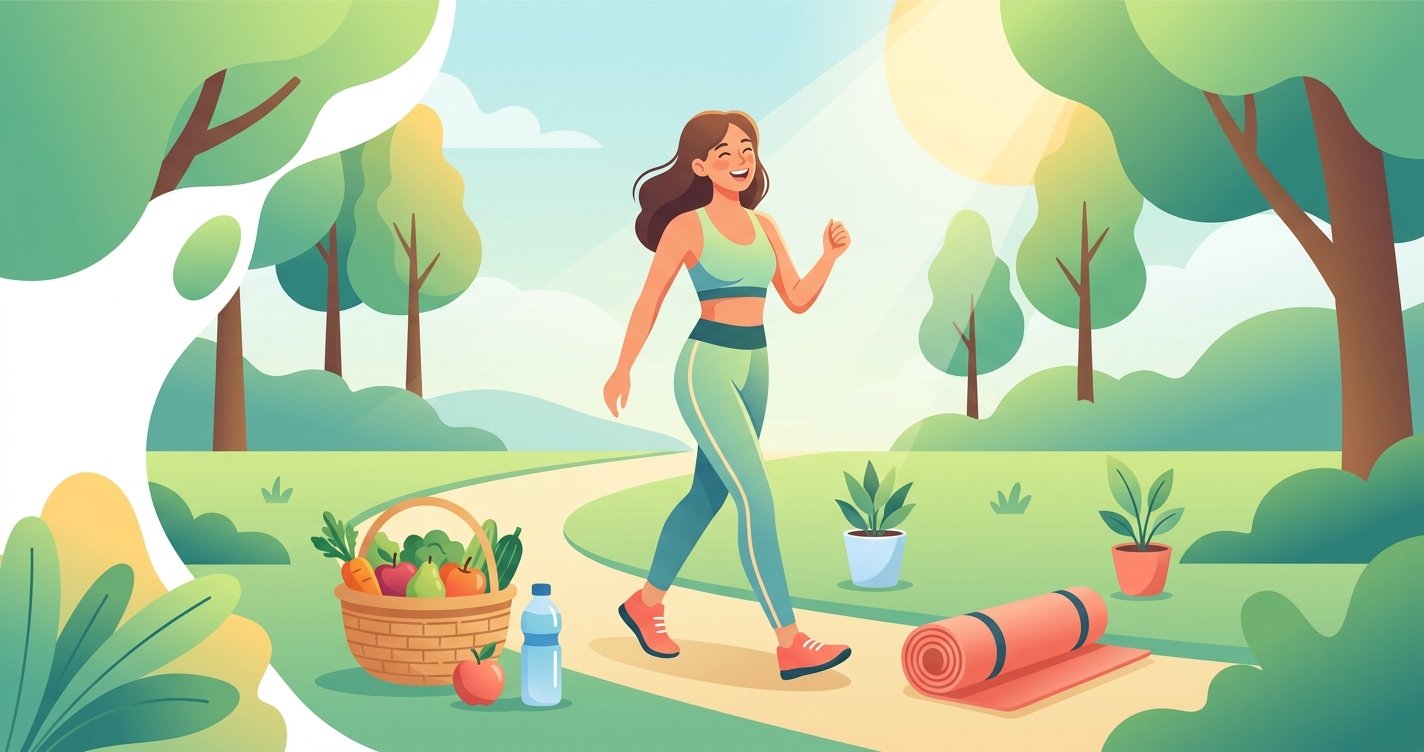
Are you tired of the endless cycle of crash diets, restrictive eating, and the frustrating ‘yo-yo’ effect? You’re not alone. Many people embark on their fat loss journey with the best intentions, only to find themselves burnt out, discouraged, and back where they started. The truth is, sustainable fat loss isn't about deprivation or quick fixes; it's about building healthy, lasting habits that support your body and mind for the long haul. In this friendly, evidence-based guide, we're going to explore how to ditch the diet mentality and embrace a lifestyle that fosters genuine, sustainable fat loss, leading to not just a healthier body, but a happier you.
The Diet Trap: Why Quick Fixes Rarely Last
For decades, the weight loss industry has sold us on the idea of rapid results through extreme measures. From juice cleanses to highly restrictive calorie counting, these approaches promise the world but often deliver only temporary relief, followed by a rebound. Why does this happen? this excellent wellness product
Understanding the Yo-Yo Effect
When you drastically cut calories, your body, an incredibly intelligent survival machine, perceives this as a famine. It responds by slowing down your metabolism to conserve energy, and often, by increasing cravings for high-calorie foods. Once the diet ends (because who can sustain extreme restriction indefinitely?), your body is primed to regain the lost weight, often with a little extra, as it tries to prepare for the next perceived 'famine.' This is the infamous yo-yo effect, and it's a frustrating, demotivating cycle that many of us know too well.
The Problem with Extreme Restriction
Beyond the metabolic response, extreme diets are mentally and emotionally draining. They foster an unhealthy relationship with food, turning eating into a source of anxiety rather than nourishment and pleasure. They often lead to nutrient deficiencies, muscle loss (which further slows metabolism), and social isolation. Sustainable fat loss requires a different approach – one that respects your body's needs and integrates seamlessly into your life.
Fueling Your Body for Lasting Change: A Non-Diet Approach to Nutrition
Instead of focusing on what to eliminate, let's shift our perspective to what we can add to our plates to nourish our bodies, feel satisfied, and support fat loss.
Prioritizing Protein & Fiber: Your Satiety Superheroes
Protein and fiber are two of the most powerful tools in your sustainable fat loss arsenal. Protein is crucial for building and maintaining muscle mass, which is metabolically active and helps burn more calories even at rest. It's also incredibly satiating, helping you feel fuller for longer. Fiber, found in fruits, vegetables, and whole grains, adds bulk to your meals, aids digestion, and also contributes to satiety. Aim to include a lean protein source (chicken, fish, beans, lentils, tofu, eggs) and plenty of fiber-rich foods at every meal.
Embracing Whole Foods: The Foundation of Health
Think colorful plates! Focus on eating whole, unprocessed foods like fresh fruits, vegetables, lean proteins, healthy fats (avocado, nuts, seeds, olive oil), and complex carbohydrates (quinoa, brown rice, sweet potatoes). These foods are packed with essential nutrients, vitamins, and minerals that support overall health and optimal bodily function. They naturally help regulate blood sugar, reduce inflammation, and provide sustained energy, making it easier to manage your appetite without feeling deprived.
Mindful Eating: Reconnecting with Your Body's Signals
One of the most transformative practices for sustainable fat loss is mindful eating. This means paying attention to your body's hunger and fullness cues, eating slowly, savoring each bite, and truly enjoying your food. When you eat mindfully, you're less likely to overeat, and you develop a deeper understanding of what your body truly needs. Put away distractions like phones and TVs, and make mealtime a moment for yourself.
Move Your Body, Love Your Body: Activity for Sustainable Fat Loss
Exercise isn't just about burning calories; it's about building strength, improving mood, boosting energy, and enhancing overall health. The key is to find activities you genuinely enjoy, making consistency much easier to achieve.
Strength Training: Your Metabolism's Best Friend
Often overlooked in fat loss journeys, strength training is incredibly powerful. Building muscle mass not only sculpts your physique but also significantly boosts your resting metabolic rate. This means your body burns more calories even when you're not actively exercising. Aim for 2-3 full-body strength training sessions per week, using weights, resistance bands, or even just your own body weight.
Incorporating NEAT (Non-Exercise Activity Thermogenesis)
You don't need to live at the gym to be active. NEAT refers to the calories you burn through everyday activities that aren't formal exercise – walking, fidgeting, taking the stairs, cleaning, gardening. Increasing your NEAT can have a substantial impact on your daily calorie expenditure. Small changes like taking a walk during your lunch break or parking further away can add up over time.
Finding Joy in Movement: Consistency Over Intensity
Forget punishing workouts you dread. The most effective exercise routine is the one you stick with. Explore different activities: dancing, hiking, swimming, cycling, yoga, team sports. Find what brings you joy and makes you feel good. Consistency, even with moderate activity, yields far better long-term results than sporadic, intense bursts.
The Hidden Pillars: Sleep, Stress, and Hydration
These often-neglected factors play a critical role in your body's ability to lose fat and maintain health. Ignoring them can sabotage even the most diligent efforts in diet and exercise.
The Power of Quality Sleep
Sleep is when your body repairs and regenerates. Lack of sleep disrupts hormones that regulate appetite and metabolism. Specifically, it increases ghrelin (the hunger hormone) and decreases leptin (the satiety hormone), making you feel hungrier and less satisfied. Aim for 7-9 hours of quality sleep per night. Create a consistent sleep schedule and a relaxing bedtime routine.
Managing Stress for a Healthier You
Chronic stress triggers the release of cortisol, a hormone that, in excess, can promote fat storage, particularly around the abdominal area. Stress can also lead to emotional eating and a lack of motivation for healthy habits. Incorporate stress-reduction techniques into your daily life: meditation, deep breathing exercises, spending time in nature, journaling, or engaging in hobbies you love.
Hydration: Simple Yet Crucial
Water is essential for nearly every bodily function, including metabolism and fat burning. Often, thirst can be mistaken for hunger, leading to unnecessary snacking. Staying well-hydrated helps you feel full, supports energy levels, and aids in nutrient transport and waste removal. Keep a water bottle handy and sip throughout the day. Aim for at least 8 glasses (around 2 liters) daily, more if you're active.
Cultivating a Resilient Mindset: Patience, Progress, Not Perfection
Sustainable fat loss is as much a mental game as it is a physical one. Developing a healthy mindset is crucial for long-term success and resilience.
Shifting from Outcome to Process Goals
Instead of fixating solely on the number on the scale (an outcome goal), focus on process goals – the daily habits that lead to your desired outcome. Examples include: 'I will eat protein at every meal,' 'I will go for a 30-minute walk daily,' or 'I will get 8 hours of sleep tonight.' These are actionable, controllable, and build momentum.
Practicing Self-Compassion
There will be days when you slip up, eat something 'unplanned,' or miss a workout. This is normal! Instead of beating yourself up, practice self-compassion. Acknowledge the setback without judgment, learn from it, and gently guide yourself back on track. Perfection is an illusion; consistency and resilience are what truly matter.
Embracing the Journey: Small Wins Add Up
Sustainable fat loss is a journey, not a destination. Celebrate every small win – choosing a healthy snack, finishing a workout, getting a good night's sleep. These small victories reinforce positive habits and build confidence, making the entire process more enjoyable and sustainable.
Your Personalized Path Forward: Small Steps, Big Impact
Ready to embark on your sustainable fat loss journey? Here’s how to start making meaningful, lasting changes.
Start Small, Stay Consistent
Don't try to overhaul everything at once. Pick one or two habits from this guide that feel manageable and focus on mastering them. Once they become second nature, add another. Gradual changes are easier to stick with and lead to compounding positive effects over time.
Track Progress Beyond the Scale
While the scale can be a data point, it doesn't tell the whole story. Measure progress through other indicators: how your clothes fit, your energy levels, strength gains, improved sleep, better mood, and even photos. These non-scale victories are powerful motivators and reflect true, holistic health improvements.
Seek Support and Education
Don't be afraid to ask for help or learn more. Whether it's a supportive friend, a nutritionist, a personal trainer, or reliable online resources, having a support system and continually educating yourself can make a significant difference in your journey.
Conclusion: Your Journey to Lasting Health Begins Now
Sustainable fat loss isn't about fitting into a smaller size by next month; it's about cultivating a healthier, happier you for life. By focusing on nourishing your body with whole foods, finding joy in movement, prioritizing sleep and stress management, and fostering a compassionate mindset, you're not just losing fat – you're building a foundation for lasting well-being. Ditch the diet mentality, embrace these friendly, evidence-based strategies, and trust the process. Your body and mind will thank you. What small, sustainable step will you take today?