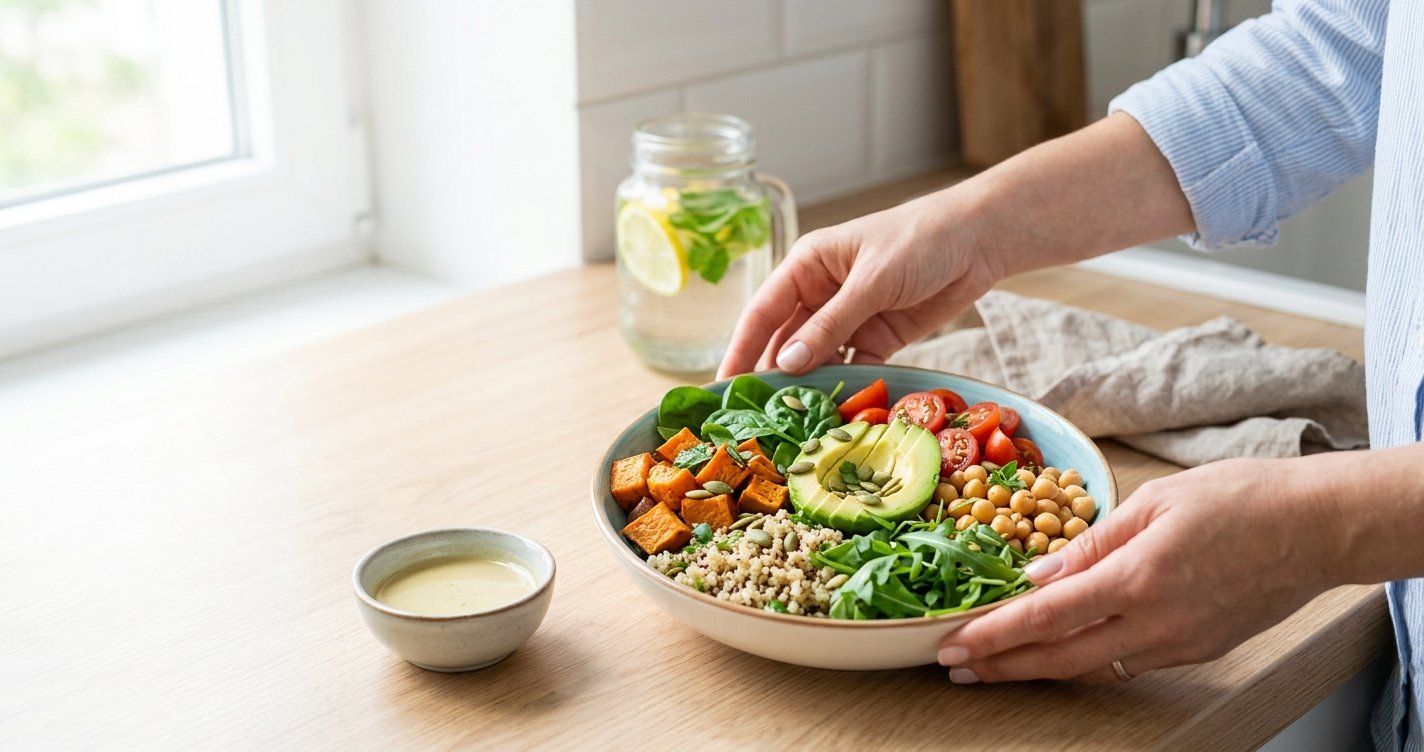
Introduction: The Quest for Lasting Fat Loss – It Starts with Sustainable Nutrition
In a world obsessed with quick fixes, detox teas, and extreme diets, the true path to lasting fat loss often gets lost in the noise. Many of us have been down that road – restricting, feeling deprived, seeing a temporary dip on the scale, only for the weight to creep back, often bringing a friend or two along. It's a frustrating cycle that leaves us feeling defeated and questioning our willpower. But what if we told you that sustainable fat loss isn't about deprivation, but about intelligent, nourishing choices? It's not about a temporary diet, but about building a lifestyle that supports your body and mind?
This isn't another crash diet plan. Instead, we're diving deep into the power of sustainable nutrition – a friendly, evidence-based approach that focuses on nourishing your body, understanding your hunger cues, and building habits that last a lifetime. Forget the scale for a moment; we're talking about real, tangible changes that lead to improved energy, better mood, and a body that feels strong and vibrant. Ready to transform your relationship with food and unlock lasting fat loss? Let's begin. this excellent wellness product
Why Fad Diets Fail (And What Sustainable Nutrition Offers Instead)
The allure of rapid weight loss is powerful, leading millions to try fad diets promising magical results. From extreme calorie restriction to eliminating entire food groups, these diets often deliver short-term weight loss, but at a significant cost. They typically:
- Lead to Nutrient Deficiencies: Restricting diverse food groups can strip your body of essential vitamins, minerals, and macronutrients vital for overall health.
- Are Unsustainable: Human beings are not designed for perpetual deprivation. The strict rules and lack of flexibility inevitably lead to 'falling off the wagon,' often followed by overeating and guilt.
- Harm Metabolism: Severely cutting calories can signal to your body that food is scarce, potentially slowing your metabolism to conserve energy, making future fat loss harder.
- Promote a Negative Relationship with Food: Food becomes the enemy, a source of stress and anxiety, rather than nourishment and enjoyment.
Sustainable nutrition, on the other hand, embraces a holistic, balanced approach. It's about making informed choices that fuel your body, satisfy your hunger, and are enjoyable enough to maintain long-term. It acknowledges that life happens – celebrations, stressful days, travel – and provides the flexibility to navigate these without derailing your progress.
The Cornerstone: Understanding Your Calorie Deficit (Without Obsession)
At its core, fat loss boils down to a fundamental principle: consuming fewer calories than your body expends. This is known as a calorie deficit. While it sounds simple, the key to sustainable fat loss lies in achieving this deficit intelligently, without feeling starved or deprived.
- What is a Calorie Deficit? Your body constantly burns calories for basic functions (breathing, circulation), daily activities, and exercise. If you consistently eat slightly less than you burn, your body will tap into stored fat for energy, leading to fat loss.
- Why Not Obsess? You don't need to meticulously count every calorie for the rest of your life. Instead, focus on strategies that naturally lead to a deficit: prioritizing nutrient-dense foods, controlling portion sizes, and being mindful of high-calorie treats. Think of it as steering your ship in the right direction, rather than micro-managing every gust of wind.
- Practical Steps: Start by understanding typical portion sizes. Use smaller plates. Listen to your body's hunger and fullness cues. Incorporate more whole, unprocessed foods that naturally fill you up for fewer calories.
A modest deficit (e.g., 300-500 calories less than your maintenance needs) is often the most sustainable and effective for long-term fat loss, preserving muscle mass and preventing metabolic slowdown.
Macronutrients: Your Power Trio for Fat Loss
While a calorie deficit is crucial, what you eat within that deficit profoundly impacts your energy levels, satiety, and body composition. Enter macronutrients: protein, carbohydrates, and fats. Each plays a unique, vital role in your fat loss journey.
Protein: The Satiety and Muscle Preserver
Protein is your best friend for fat loss. It's the most satiating macronutrient, meaning it keeps you feeling fuller for longer, reducing the likelihood of overeating. Furthermore, protein is essential for building and repairing muscle tissue. When you're in a calorie deficit, adequate protein intake helps preserve your lean muscle mass, which is critical because muscle burns more calories at rest than fat.
- Good Sources: Lean meats (chicken breast, turkey, lean beef), fish, eggs, dairy (Greek yogurt, cottage cheese), legumes (lentils, beans), tofu, tempeh, protein powder.
- Aim For: Include a protein source at every meal and snack.
Healthy Fats: Essential for Hormones and Satiety
Don't fear fats! Healthy fats are crucial for hormone production, nutrient absorption, and overall cellular function. They also contribute to satiety and make your meals more enjoyable. The key is choosing the right types and consuming them in moderation, as fats are calorie-dense.
- Good Sources: Avocados, nuts (almonds, walnuts), seeds (chia, flax, pumpkin), olive oil, fatty fish (salmon, mackerel).
- Aim For: A small serving of healthy fats with most meals.
Complex Carbohydrates: Fuel for Energy and Fiber
Carbohydrates are your body's primary energy source. For fat loss, focus on complex carbohydrates, which are rich in fiber. Fiber slows down digestion, leading to sustained energy, stable blood sugar levels, and prolonged fullness. Avoid refined carbohydrates (white bread, sugary drinks) that cause rapid spikes and crashes in blood sugar, often leading to cravings.
- Good Sources: Whole grains (oats, quinoa, brown rice, whole-wheat bread), fruits, vegetables, legumes.
- Aim For: Prioritize fiber-rich carbs, especially around workouts, and balance intake with protein and fats.
The Power of Whole Foods: Eating Smarter, Not Less
One of the simplest yet most profound shifts you can make for sustainable fat loss is to prioritize whole, unprocessed foods. Think about it: a bag of chips vs. a plate of roasted vegetables. Both contain calories, but the nutritional value, fiber content, and satiety levels are vastly different.
- Nutrient Density: Whole foods – fruits, vegetables, lean proteins, whole grains – are packed with vitamins, minerals, and antioxidants that support overall health and optimal bodily functions. They provide more 'bang for your caloric buck.'
- Fiber Rich: Most whole foods are naturally high in fiber, which aids digestion, promotes gut health, and keeps you feeling full, reducing the urge to snack unnecessarily.
- Naturally Lower in Calories: By volume, many whole foods (especially vegetables) are lower in calories compared to their processed counterparts, allowing you to eat larger, more satisfying portions while still maintaining a calorie deficit.
Practical Tips for Embracing Whole Foods:
- Shop the Perimeter: Grocery store perimeters typically house fresh produce, lean meats, dairy, and eggs. The inner aisles are often where processed, packaged foods reside.
- Meal Prep: Dedicate some time each week to prepare healthy meals and snacks. Having nutritious options readily available prevents impulsive, unhealthy choices when hunger strikes.
- Cook at Home More: When you cook, you control the ingredients, portion sizes, and cooking methods, leading to healthier meals.
Hydration, Sleep, and Stress: The Unsung Heroes of Nutrition
While we focus heavily on food, sustainable fat loss is a holistic endeavor. Your nutrition strategy can only be truly effective when supported by other crucial lifestyle factors. Think of them as the silent partners in your fat loss journey.
- Hydration: Often overlooked, adequate water intake is vital. Water helps with metabolism, nutrient transport, and can even help manage hunger, as sometimes thirst is mistaken for hunger. Aim for 8-10 glasses of water daily.
- Sleep: Chronic sleep deprivation wreaks havoc on your hormones, particularly ghrelin (the hunger hormone) and leptin (the satiety hormone). Lack of sleep can increase cravings for high-calorie, sugary foods and impairs your body's ability to burn fat. Prioritize 7-9 hours of quality sleep each night.
- Stress Management: Chronic stress elevates cortisol levels, a hormone that can promote fat storage, especially around the midsection. High stress also often leads to emotional eating. Incorporate stress-reducing activities like meditation, yoga, walking in nature, or hobbies you enjoy.
Addressing these areas doesn't just support fat loss; it significantly enhances your overall well-being and makes your nutritional efforts more effective.
Building Sustainable Habits: Consistency Over Perfection
The journey to lasting fat loss isn't a sprint; it's a marathon of consistent, mindful actions. Perfection is an illusion that often leads to burnout and giving up. Instead, focus on building sustainable habits that you can maintain day in and day out, even when life gets messy.
- Mindful Eating: Slow down, savor your food, and pay attention to your body's hunger and fullness cues. Are you truly hungry, or is it boredom, stress, or habit? Eating mindfully helps you recognize when you've had enough.
- Small, Consistent Changes: Instead of overhauling your entire diet overnight, pick one or two small changes to implement each week. Maybe it's adding a vegetable to every meal, drinking more water, or swapping sugary drinks for unsweetened options. These small wins build momentum.
- Plan Ahead: Whether it's grocery shopping, meal prepping, or simply deciding what you'll eat for the next meal, a little planning goes a long way in making healthy choices easier.
- Embrace Flexibility: Life happens. There will be birthday cakes, dinner parties, and days when your best-laid plans go awry. Don't let one 'off' meal or day derail your entire journey. Get back on track with your next meal, without guilt or self-punishment.
- Celebrate Non-Scale Victories: Fat loss is more than just a number on the scale. Celebrate increased energy, better sleep, clothes fitting better, improved mood, and enhanced strength. These are powerful motivators that reflect true progress.
Conclusion: Your Journey to a Healthier, Happier You
Embarking on a journey for lasting fat loss through sustainable nutrition is one of the most empowering decisions you can make for your health. It's a journey away from restrictive diets and towards a balanced, flexible, and enjoyable way of eating that truly nourishes your body and mind. Remember, this isn't about perfection; it's about progress, patience, and self-compassion.
By focusing on a smart calorie deficit, prioritizing protein, healthy fats, and complex carbohydrates, embracing whole foods, and supporting your efforts with adequate hydration, sleep, and stress management, you're not just losing fat – you're building a foundation for a healthier, more vibrant life. Take it one meal, one choice, one day at a time. Your body, your mind, and your future self will thank you for choosing sustainability over fleeting quick fixes. You've got this!