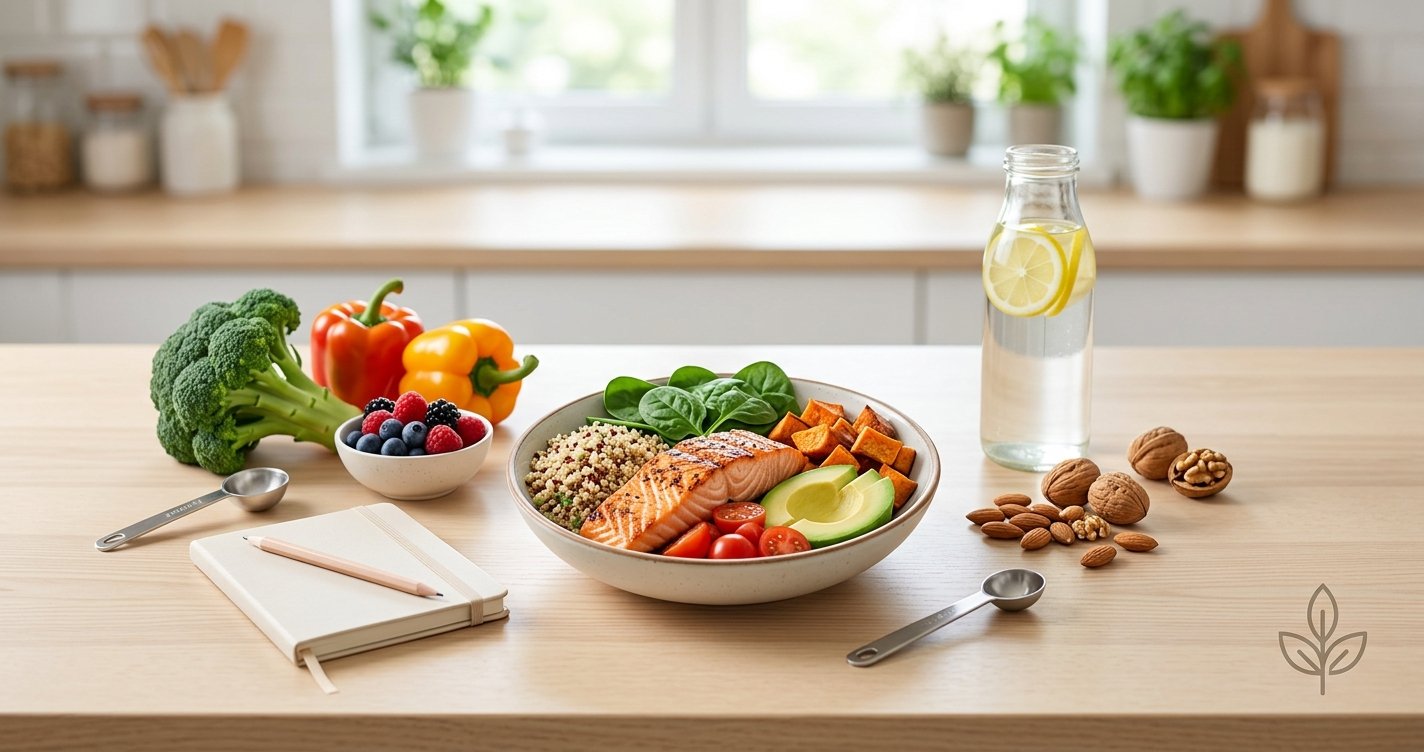
Eat Your Way to Lasting Fat Loss: Evidence-Based Nutrition Strategies for a Healthier You
Are you tired of the endless cycle of fad diets, restrictive eating plans, and confusing nutrition advice? You're not alone. In a world overflowing with quick fixes and celebrity endorsements, finding a sustainable path to fat loss can feel like navigating a maze blindfolded. But what if we told you that achieving your fat loss goals doesn't have to involve deprivation or extreme measures? What if you could eat your way to a healthier, leaner you, simply by understanding and applying evidence-based nutrition strategies?
This isn't about magic pills or detox teas. This is about empowering you with the knowledge to make informed food choices that support your body, boost your metabolism, and lead to lasting fat loss. We're going to cut through the noise and provide you with a friendly, encouraging, and scientifically sound blueprint to master your plate for sustainable results. this excellent wellness product
The Foundation: Understanding Calorie Deficit (It's Simpler Than You Think)
Let's start with the undisputed king of fat loss: the calorie deficit. Simply put, a calorie deficit means consuming fewer calories than your body burns. When your body doesn't get enough energy from food, it turns to its stored energy reserves – your body fat – to make up the difference. It's a fundamental biological principle, and without it, significant fat loss won't occur.
Don't let the term 'calorie deficit' intimidate you. It's not about starving yourself or meticulously counting every single morsel forever. It's about awareness. Your Basal Metabolic Rate (BMR) is the energy your body needs to perform basic functions at rest, and your Total Daily Energy Expenditure (TDEE) includes your BMR plus the calories you burn through physical activity. You can estimate your TDEE using online calculators, and then aim to eat slightly below that number.
How to Create a Smart Calorie Deficit
- Start Small: A deficit of 300-500 calories per day is often enough for steady, sustainable fat loss (around 1-2 pounds per week for most people).
- Don't Go Too Low: Extremely low-calorie diets can slow your metabolism, lead to nutrient deficiencies, and are very difficult to sustain. Aim for a deficit that feels manageable.
- Focus on Nutrient Density: Prioritize foods that fill you up with fewer calories (think vegetables, lean proteins) rather than just cutting food volume.
Macronutrients Matter: Fueling Your Body for Fat Loss
While a calorie deficit is the primary driver, what you eat within that deficit profoundly impacts your success. This is where macronutrients – protein, carbohydrates, and fats – come into play. Each plays a unique and vital role in your body's function and your fat loss journey.
Protein: The King of Satiety and Muscle Preservation
Protein is your best friend when it comes to fat loss. Here's why:
- High Satiety: Protein keeps you feeling full for longer, reducing cravings and overall calorie intake.
- Muscle Preservation: When you're in a calorie deficit, your body can break down muscle along with fat. Adequate protein intake helps preserve your precious muscle mass, which is crucial for a healthy metabolism.
- Thermic Effect of Food (TEF): Your body burns more calories digesting protein than it does carbs or fats.
Sources: Lean meats, poultry, fish, eggs, dairy, legumes, tofu, tempeh, protein powder.
Carbohydrates: Your Energy Source
Carbohydrates have gotten a bad rap, but they are essential for energy, especially if you're active. The key is choosing the right kind.
- Complex Carbs: Found in whole grains, fruits, and vegetables, these are rich in fiber and provide sustained energy. They prevent blood sugar spikes and crashes, keeping you feeling stable and energized.
- Simple Carbs: Found in sugary drinks, candies, and refined grains, these offer quick energy but can lead to energy crashes and increased hunger. Limit these.
Sources: Oats, brown rice, quinoa, sweet potatoes, fruits, vegetables.
Fats: Essential for Health and Hormones
Dietary fats are crucial for hormone production, nutrient absorption, and overall health. They also contribute to satiety, but are calorie-dense, so moderation is key.
- Healthy Fats: Prioritize monounsaturated and polyunsaturated fats.
- Limit Saturated & Trans Fats: These can negatively impact heart health.
Sources: Avocados, nuts, seeds, olive oil, fatty fish (salmon).
Balancing Your Macros for Optimal Results
There's no one-size-fits-all macro ratio, but a general guideline for fat loss often looks like this:
- Protein: Aim for 0.7-1 gram per pound of body weight (or target body weight) to maximize satiety and muscle preservation.
- Fats: Keep fats around 20-30% of your total daily calories to support hormonal health.
- Carbohydrates: Fill the remaining calories with complex carbohydrates to fuel your energy needs.
Beyond Macros: The Power of Whole Foods and Fiber
While macros provide the framework, the quality of your food choices within those categories is paramount. Focusing on whole, unprocessed foods is a game-changer for fat loss and overall health.
- Fruits and Vegetables: These are nutrient powerhouses, packed with vitamins, minerals, and antioxidants. They're also incredibly low in calories and high in fiber, making them excellent for filling you up.
- Whole Grains: Unlike refined grains, whole grains retain their fiber and nutrient content, providing sustained energy and supporting digestive health.
- Fiber: Fiber deserves its own special mention. Found in plant foods, it adds bulk to your meals, promoting feelings of fullness and aiding digestion. It's a secret weapon for managing hunger.
- Hydration: Don't forget water! Staying well-hydrated is crucial for metabolic function, satiety, and overall well-being. Sometimes, what feels like hunger is actually thirst.
Smart Food Choices for Satiety and Nutrition
- Start your meals with a large serving of non-starchy vegetables.
- Choose whole fruit over fruit juice.
- Opt for brown rice or quinoa instead of white rice.
- Snack on nuts, seeds, or Greek yogurt instead of processed snacks.
Practical Strategies for Sustainable Eating Habits
Knowledge is power, but application is what truly counts. Here are practical strategies to integrate these principles into your daily life without feeling overwhelmed.
- Meal Planning & Prep: Dedicate some time each week to plan your meals and prep ingredients. This reduces decision fatigue and ensures you have healthy options readily available.
- Mindful Eating: Slow down. Pay attention to your food – its taste, texture, and smell. Listen to your body's hunger and fullness cues. This helps prevent overeating and increases satisfaction.
- Portion Control: Even healthy foods can contribute to a calorie surplus if eaten in excess. Learn what a healthy portion looks like for different foods. Use smaller plates, measure high-calorie items, and practice self-awareness.
- Navigating Cravings & Social Situations: It's okay to indulge occasionally. Plan for it. If you have a craving, enjoy a small portion mindfully. In social settings, prioritize protein and vegetables, and be strategic with higher-calorie options.
Building a Sustainable Relationship with Food
Remember, fat loss is a journey, not a destination. It's about building habits you can maintain for life. Don't aim for perfection; aim for consistency and progress. Embrace flexibility and learn from setbacks rather than letting them derail you.
Addressing Common Fat Loss Nutrition Myths
Let's debunk a few pervasive myths that often hinder fat loss progress:
- "Carbs are evil and make you fat." False. Excess calories make you fat. Complex carbohydrates are vital for energy and fiber. Timing and type matter more than outright elimination.
- "Fats make you fat." Again, false. Healthy fats are essential. While calorie-dense, they are crucial for hormones and satiety. The key is moderation and choosing healthy sources.
- "You need to eat every 2-3 hours to 'boost your metabolism'." Not true. Meal frequency has little impact on overall metabolism. Focus on total daily calorie and macro intake. Eat when you're hungry.
- "Detox teas/juices will cleanse your body and help you lose weight." Your liver and kidneys do an excellent job of detoxing your body naturally. These products are often ineffective, expensive, and sometimes even harmful.
Patience, Consistency, and Self-Compassion
Embarking on a fat loss journey through nutrition is a marathon, not a sprint. There will be days when you feel discouraged, plateaus where progress seems to stall, and moments when you slip up. This is all part of the process.
The most successful individuals are those who approach their journey with patience and consistency, understanding that true transformation takes time. Be kind to yourself. Celebrate small victories. Learn from challenges. Focus on the incredible health benefits you're gaining alongside fat loss – more energy, better sleep, improved mood, and reduced risk of chronic diseases.
Conclusion: Your Plate, Your Power
You now have the fundamental, evidence-based nutrition strategies to take control of your fat loss journey. By understanding calorie deficit, prioritizing protein, choosing quality carbs and fats, focusing on whole foods, and adopting sustainable eating habits, you're not just losing fat – you're building a healthier, stronger, and more vibrant you.
Remember, small, consistent changes lead to monumental results. Start today by making one healthy swap, planning one nutritious meal, or simply drinking an extra glass of water. Your plate is your power – use it wisely to nourish your body and achieve the lasting fat loss you deserve!