Eat Your Way to Lasting Fat Loss: Evidence-Based Nutrition Strategies
Are you tired of the endless cycle of restrictive diets, quick fixes, and disappointing results when it comes to fat loss? You're not alone. Many people fall into the trap of believing that extreme deprivation is the only path to a leaner physique. But what if we told you there's a more sustainable, enjoyable, and ultimately more effective way to achieve your fat loss goals?
Forget the fads and unsustainable trends. This isn't about magical pills or starving yourself. This is about understanding the fundamental, evidence-based nutrition strategies that empower your body to shed fat effectively and keep it off for good. We're going to dive into how you can fuel your body intelligently, make smart food choices, and cultivate habits that transform your relationship with food, all while working towards a healthier, happier you. Let's ditch the diet culture and embrace a journey of sustainable change! this excellent wellness product
The Non-Negotiable Foundation: A Smart Calorie Deficit
At its core, fat loss boils down to one simple principle: you must consume fewer calories than your body expends. This is known as a calorie deficit. While simple in theory, achieving it sustainably without feeling deprived or harming your metabolism is where the art comes in.
Instead of drastic cuts that leave you ravenous, aim for a moderate deficit of 300-500 calories below your maintenance level. This allows for steady, healthy fat loss (typically 1-2 pounds per week) without sacrificing your energy levels or vital nutrients. How do you figure out your maintenance? Online calculators can give you an estimate of your Total Daily Energy Expenditure (TDEE). From there, track your intake for a few days to get a baseline, then gently reduce. Remember, consistency over perfection is key here!
Master Your Macros: Protein, Carbs, and Fats for Optimal Fat Loss
While total calories are king, the composition of those calories – your macronutrients (protein, carbohydrates, and fats) – plays a crucial role in satiety, muscle preservation, and overall metabolic health during fat loss.
Protein: Your Fat Loss MVP
If there's one macronutrient to prioritize for fat loss, it's protein. Here's why:
- Satiety: Protein is incredibly filling, helping you feel fuller for longer and reducing cravings.
- Muscle Preservation: When in a calorie deficit, your body can break down muscle tissue for energy. Adequate protein intake helps preserve lean muscle mass, which is vital for maintaining a healthy metabolism.
- Thermic Effect of Food (TEF): Protein has a higher TEF than carbs or fats, meaning your body expends more energy digesting and metabolizing it.
Aim for 0.7-1.0 grams of protein per pound of body weight (or per pound of your goal body weight) daily. Think lean meats, poultry, fish, eggs, dairy, legumes, and protein supplements.
Carbohydrates: Fuel for Performance and Mood
Carbs often get a bad rap in the fat loss world, but they are essential! They provide energy for your workouts, fuel your brain, and contribute to mood regulation. The key is choosing the right types of carbohydrates:
- Complex Carbs: Found in whole grains (oats, brown rice, quinoa), vegetables, and fruits, these provide sustained energy, fiber, and essential nutrients. They also help keep blood sugar stable.
- Simple Carbs: While not entirely off-limits, limit highly processed sugars and refined grains, which can lead to energy crashes and contribute to cravings.
Adjust your carbohydrate intake based on your activity level. On higher activity days, you might need more. Focus on nutrient-dense sources.
Healthy Fats: Essential for Hormones and Satiety
Fats are crucial for hormone production, nutrient absorption, and providing a sense of satiety. However, they are calorie-dense, so moderation is key:
- Unsaturated Fats: Found in avocados, nuts, seeds, olive oil, and fatty fish (like salmon), these are beneficial for heart health.
- Saturated Fats: Found in animal products and some plant oils (like coconut oil), these should be consumed in moderation.
Aim for 20-30% of your total daily calories from healthy fats. They play a vital role in keeping you feeling satisfied and supporting overall health.
Food Choices Matter: Prioritize Whole, Unprocessed Foods
While macros and calories are crucial, the quality of your food choices cannot be overstated. Focusing on whole, unprocessed foods naturally leads to better nutrition and easier fat loss.
- Nutrient Density: Whole foods (fruits, vegetables, lean proteins, whole grains) are packed with vitamins, minerals, fiber, and antioxidants that support overall health and keep you feeling energized.
- Satiety & Fiber: Foods high in fiber (found in fruits, vegetables, and whole grains) add bulk to your meals, promoting fullness and aiding digestion.
- Reduced Hidden Calories: Processed foods often contain hidden sugars, unhealthy fats, and excessive sodium, which can sabotage your fat loss efforts and lead to cravings.
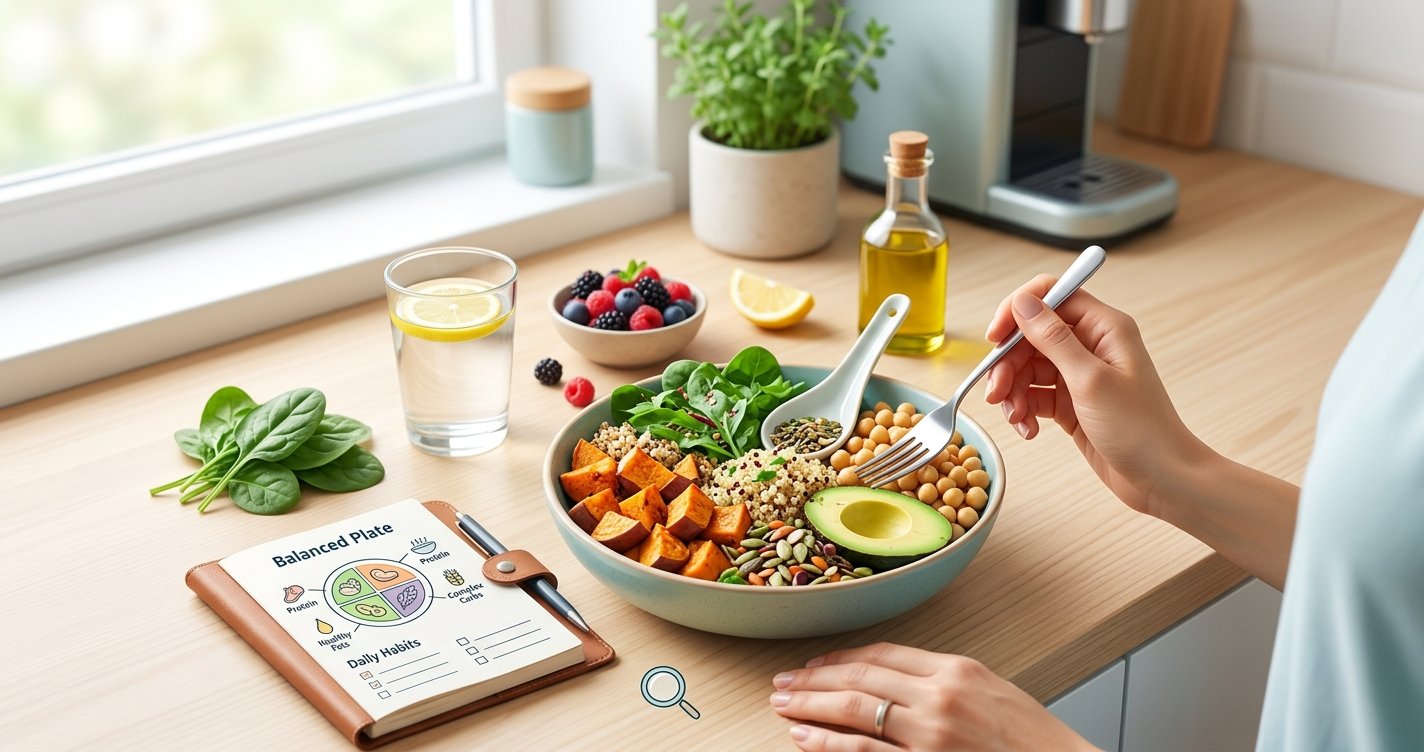
Fill your plate with colorful vegetables, lean protein sources, and complex carbohydrates. Think of your plate as a garden – the more natural and varied, the better!
Smart Meal Planning & Timing: Consistency is Your Ally
Consistency is perhaps the most underrated component of sustainable fat loss. Planning your meals and understanding how to structure your eating throughout the day can make a world of difference.
- Meal Prep: Dedicate a few hours each week to prepare meals or components of meals. Having healthy options readily available reduces the likelihood of impulse, unhealthy choices when hunger strikes.
- Mindful Eating: Pay attention to your body's hunger and fullness cues. Eat slowly, savor your food, and avoid distractions like screens. This helps you recognize when you're truly satisfied, preventing overeating.
- Hydration: Often overlooked, adequate water intake is vital. Sometimes, what feels like hunger is actually thirst. Drink plenty of water throughout the day, especially before meals.
- Meal Frequency: While some prefer 3 large meals and others 5-6 smaller ones, the science shows that total daily calories and macro distribution are more important than meal frequency. Choose what fits your lifestyle and keeps you feeling satisfied.
Beyond the Plate: Lifestyle Factors Supporting Nutrition
While nutrition is paramount, it doesn't operate in a vacuum. Other lifestyle factors significantly impact your body's ability to lose fat and adhere to your nutritional plan.
- Sleep: Poor sleep disrupts hormones that regulate hunger (ghrelin) and satiety (leptin), leading to increased cravings and a higher likelihood of storing fat. Aim for 7-9 hours of quality sleep per night.
- Stress Management: Chronic stress elevates cortisol levels, which can promote fat storage, particularly around the midsection. Incorporate stress-reducing activities like meditation, yoga, or spending time in nature.
- Physical Activity: While not a direct nutrition strategy, exercise complements your dietary efforts by increasing calorie expenditure, building muscle (which boosts metabolism), and improving overall health. Find activities you enjoy and make them a consistent part of your routine.
Think of these factors as the supportive cast that helps your nutrition strategy shine its brightest.
Overcoming Challenges: Sticking With It Long-Term
The journey to sustainable fat loss isn't always linear. There will be plateaus, setbacks, and moments of temptation. The key is to learn how to navigate them without throwing in the towel.
- Flexibility: Don't strive for perfection; strive for consistency. Allow for occasional treats or "flex meals" within your overall plan. This prevents feelings of deprivation and makes the journey more enjoyable and sustainable.
- Learn from Setbacks: If you have an off day or week, don't let it derail you completely. Analyze what happened, learn from it, and get back on track with your next meal or day. Self-compassion is crucial.
- Patience: Sustainable fat loss takes time. Celebrate small victories, focus on non-scale victories (like increased energy, better sleep, improved clothing fit), and trust the process.
- Seek Support: Whether it's a friend, family member, coach, or online community, having a support system can provide motivation and accountability.
Remember, this is a marathon, not a sprint. Your goal is to build habits that you can maintain for life, not just for a few weeks.
Your Path to Lasting Fat Loss Starts Now
You now have the knowledge to build a sustainable and effective nutrition strategy for lasting fat loss. It's not about deprivation; it's about empowerment – empowering yourself with knowledge, making informed choices, and fostering a healthy relationship with food.
Start small. Pick one or two strategies from this guide that resonate with you and implement them consistently. As you build confidence and see results, gradually incorporate more. This isn't a race; it's a journey towards a healthier, more vibrant you. Embrace the process, be patient with yourself, and enjoy the incredible transformation that comes with nourishing your body intelligently. Your sustainable fat loss journey begins today!