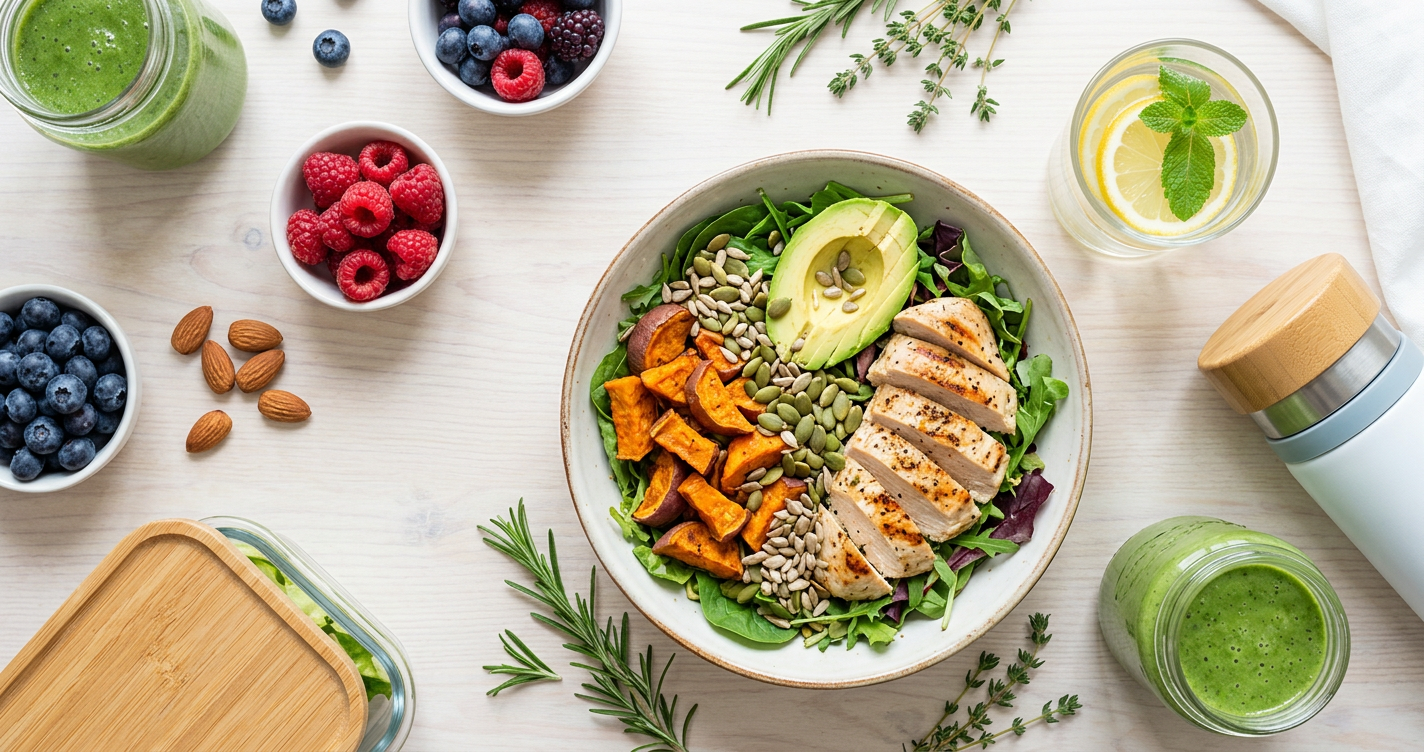
Fuel Your Fat Loss: Simple, Sustainable Nutrition Habits for Lasting Results
Are you tired of the endless cycle of restrictive diets, quick fixes, and the inevitable rebound? You're not alone. The world of fat loss is often clouded with misinformation, promising overnight transformations that rarely deliver sustainable results. But what if there was a better way? A path that focuses on nourishing your body, building healthy habits, and enjoying your food, all while steadily progressing towards your fat loss goals?
Welcome to the world of sustainable nutrition for fat loss. This isn't about deprivation; it's about empowerment. It's about understanding your body, making informed choices, and fostering a loving relationship with food that supports your well-being for the long haul. Let's dive into evidence-based strategies that are not only effective but also enjoyable and, most importantly, sustainable. this excellent wellness product
Why Fad Diets Fail (and What Works Instead)
Before we build, let's understand why so many traditional diets crumble. Fad diets often rely on extreme calorie restriction, cutting out entire food groups, or relying on specific 'magic' foods. While they might offer rapid initial weight loss, they are inherently unsustainable. Your body, designed for survival, perceives extreme restriction as a threat, leading to:
- Intense Cravings: Your body's natural response to deprivation.
- Energy Dips & Mood Swings: Lack of adequate nutrients affects both physical and mental well-being.
- Metabolic Adaptation: Your metabolism slows down to conserve energy, making further fat loss harder.
- Rebound Weight Gain: Once the restrictive diet ends, it's common to regain the lost weight, often more, leading to frustration and a sense of failure.
The solution? Shifting your focus from short-term fixes to long-term habit change. Sustainable fat loss isn't a sprint; it's a marathon powered by consistent, healthy choices that you can maintain indefinitely.
The Cornerstone of Fat Loss: A Gentle Calorie Deficit
At its core, fat loss boils down to one fundamental principle: energy balance. To lose fat, you need to consistently consume slightly fewer calories than your body expends. This creates a calorie deficit.
However, the key word here is 'gentle.' A moderate deficit (typically 300-500 calories below your maintenance level) allows for steady fat loss without triggering the severe metabolic slowdowns and intense hunger associated with extreme restriction. Think of it as nudging your body to tap into its fat stores for energy, rather than shocking it into survival mode.
- How to start: Use an online TDEE (Total Daily Energy Expenditure) calculator as a starting point to estimate your maintenance calories. Then, subtract 300-500 calories to find your target.
- Listen to your body: Adjust as needed. If you're constantly ravenous or experiencing severe energy dips, your deficit might be too large.
Remember, consistency over perfection is crucial here. Small, consistent deficits add up over time.
Powering Up: The Mighty Role of Protein
If there's one macronutrient that deserves special attention for fat loss, it's protein. Protein is your best friend on this journey for several compelling reasons:
- Satiety Superstar: Protein is incredibly filling. Including adequate protein in your meals helps you feel fuller for longer, reducing overall calorie intake and curbing unnecessary snacking.
- Muscle Preservation: When you're in a calorie deficit, your body can break down muscle tissue for energy. Protein helps protect your precious muscle mass, which is vital for maintaining a healthy metabolism.
- Thermic Effect of Food (TEF): Protein has a higher TEF than carbs or fats, meaning your body expends more energy to digest and metabolize it. It's a small but helpful boost to your daily calorie expenditure.
Aim for around 0.7 to 1 gram of protein per pound of your target body weight daily, distributed across your meals. Excellent sources include:
- Lean meats (chicken breast, turkey, lean beef)
- Fish and seafood (salmon, cod, shrimp)
- Eggs
- Dairy (Greek yogurt, cottage cheese)
- Legumes (lentils, beans, chickpeas)
- Tofu and tempeh
- Protein powder (whey, casein, plant-based)
Don't Fear Carbs & Fats: Choosing Quality Over Restriction
In the world of dieting, carbohydrates and fats often get a bad rap. But the truth is, both are essential for optimal health, energy, and hormone function. The key isn't to eliminate them, but to choose quality sources and appropriate portions.
Carbohydrates: Your Body's Preferred Energy Source
Carbs provide the fuel for your brain and muscles. Instead of refined sugars and processed grains, prioritize complex carbohydrates:
- Whole Grains: Oats, brown rice, quinoa, whole-wheat bread. These provide sustained energy and fiber.
- Fruits: Berries, apples, bananas. Packed with vitamins, minerals, and antioxidants.
- Vegetables: Broccoli, spinach, sweet potatoes. Nutrient-dense and low in calories.
Healthy Fats: Essential for Well-being
Dietary fats are crucial for hormone production, nutrient absorption, and overall cellular function. They also contribute to satiety. Focus on healthy, unsaturated fats:
- Avocado
- Nuts and Seeds: Almonds, walnuts, chia seeds, flax seeds.
- Olive Oil & Coconut Oil (in moderation)
- Fatty Fish: Salmon, mackerel.
Portion control is important with fats, as they are calorie-dense. A small handful of nuts or a drizzle of olive oil is usually sufficient.
Beyond Macros: The Importance of Whole Foods and Fiber
While macronutrients (protein, carbs, fats) are important, focusing on whole, unprocessed foods should be your guiding principle. Whole foods are naturally rich in micronutrients (vitamins and minerals) and fiber, which are vital for overall health and sustainable fat loss.
Fiber is a game-changer for fat loss:
- Increases Satiety: Fiber adds bulk to your meals, making you feel fuller and more satisfied.
- Aids Digestion: Keeps your digestive system running smoothly.
- Stabilizes Blood Sugar: Helps prevent energy crashes and reduces cravings.
Load up on fruits, vegetables, legumes, and whole grains to boost your fiber intake.
Hydration & Mindful Eating: Your Secret Weapons
Two often-overlooked components of sustainable fat loss are proper hydration and mindful eating practices.
Stay Hydrated
Drinking enough water is simple, yet incredibly powerful:
- Boosts Metabolism: Water is essential for all metabolic processes.
- Reduces Hunger: Sometimes, thirst is mistaken for hunger. Drink a glass of water before reaching for a snack.
- Aids Digestion: Helps your body process nutrients efficiently.
Aim for at least 8 glasses of water a day, more if you're active or in a warm climate.
Practice Mindful Eating
Mindful eating is about paying attention to your food and your body's signals. It can transform your relationship with eating:
- Eat Slowly: It takes time for your brain to register fullness. Savor each bite.
- Tune into Hunger & Fullness Cues: Eat when you're truly hungry, and stop when you're comfortably full, not stuffed.
- Eliminate Distractions: Put away your phone, turn off the TV. Focus on the taste, texture, and smell of your food.
- Identify Emotional Triggers: Are you eating out of boredom, stress, or sadness? Find healthier coping mechanisms.
Consistency, Patience, and Self-Compassion: The Long Game
Fat loss is rarely a linear journey. There will be good days, challenging days, and plateaus. This is where consistency, patience, and self-compassion become your most powerful tools.
- Consistency: Small, healthy choices made day after day yield significant results over time. Don't let one 'off' meal derail your entire week. Get back on track with your next meal.
- Patience: Sustainable fat loss takes time. Celebrate small victories and focus on the progress you've made, not just the number on the scale.
- Self-Compassion: Be kind to yourself. You're building new habits, and it's okay to stumble. Learn from setbacks, forgive yourself, and keep moving forward. This is a journey of self-improvement, not self-punishment.
Putting It All Together: Your Action Plan
Ready to start building your sustainable nutrition habits? Here's a simple action plan:
- Start Small: Don't overhaul everything at once. Pick one or two habits to focus on first (e.g., adding protein to every meal, drinking more water).
- Prioritize Protein: Make lean protein a staple in every meal.
- Embrace Whole Foods: Fill your plate with plenty of fruits, vegetables, and whole grains.
- Hydrate Regularly: Keep a water bottle handy and sip throughout the day.
- Practice Mindful Eating: Slow down, savor your food, and listen to your body.
- Plan Ahead: Meal prepping or planning your meals can significantly boost consistency.
- Track (If Helpful): For some, tracking food intake for a short period can provide valuable insights into their eating patterns and calorie consumption.
Your Journey to Lasting Fat Loss Starts Now!
Sustainable fat loss isn't about chasing perfection; it's about progress, enjoyment, and building a foundation of healthy habits that serve you for life. By focusing on a gentle calorie deficit, prioritizing protein and whole foods, staying hydrated, and practicing mindful eating, you're not just losing fat—you're gaining health, energy, and a confident relationship with your body.
Embrace the journey with patience and self-compassion. You have the power to transform your health and achieve lasting results. Start today, one delicious, nourishing meal at a time!