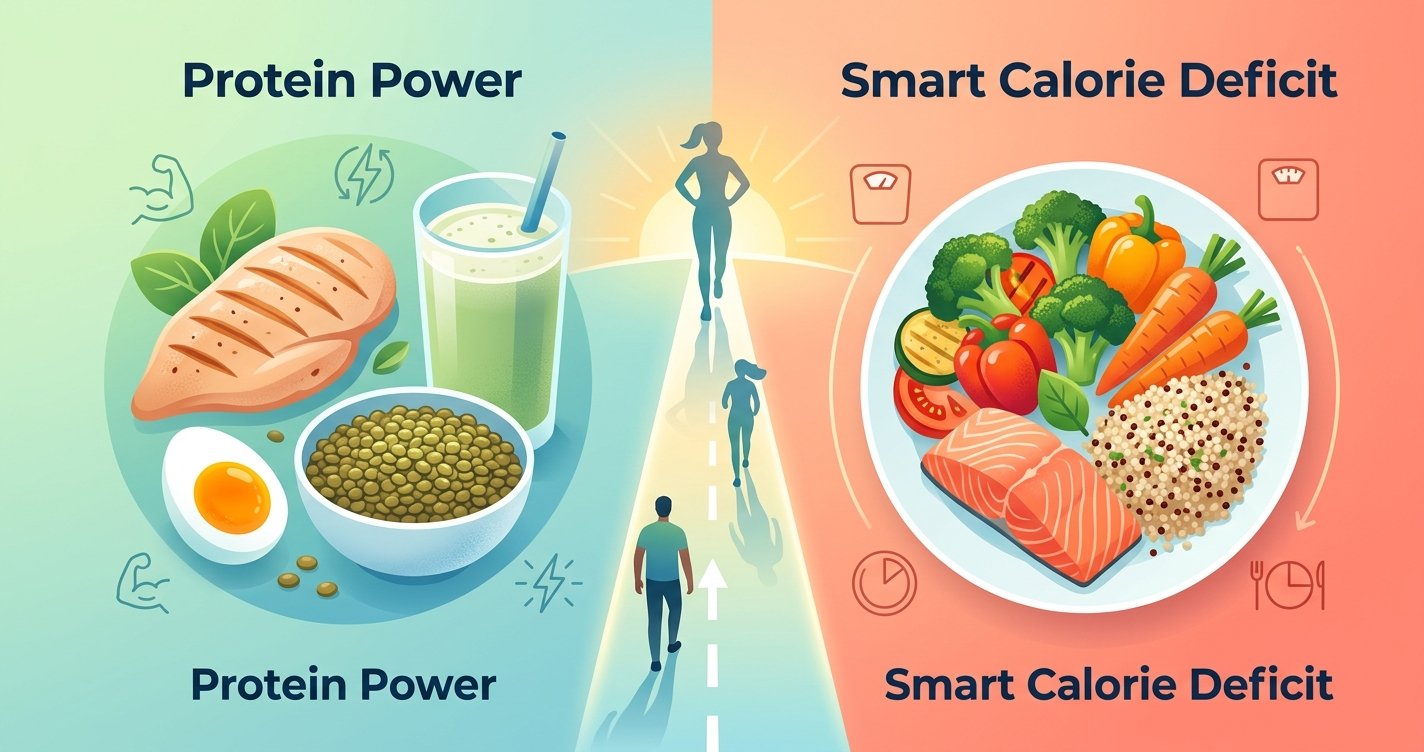
Introduction: Beyond Crash Diets – A Smarter Path to Sustainable Fat Loss
Are you tired of the endless cycle of restrictive diets, quick fixes, and disappointing results when it comes to fat loss? You’re not alone. Many people fall into the trap of extreme measures, only to find themselves back where they started, often feeling more frustrated and defeated. But what if there was a more sustainable, evidence-based, and ultimately more effective way to achieve your fat loss goals? Good news – there is!
This journey isn't about deprivation; it's about smart nutrition. Today, we're going to dive deep into two fundamental pillars that are crucial for successful and sustainable fat loss: understanding the 'smart' calorie deficit and harnessing the incredible power of protein. Forget the fads and prepare to empower yourself with knowledge that actually works, helping you shed fat, preserve muscle, and feel fantastic. this excellent wellness product
Understanding the Calorie Deficit: Your Foundation for Fat Loss
Let's start with the absolute non-negotiable truth about fat loss: you must be in a calorie deficit. Simply put, this means you need to consume fewer calories than your body burns over a sustained period. Your body then turns to its stored energy reserves (body fat) to make up the difference, leading to fat loss.
While this concept is straightforward, its execution is where many go wrong. The key isn't just 'a' calorie deficit, but a 'smart' calorie deficit. An extreme deficit might lead to rapid initial weight loss, but it often comes at a high cost: muscle loss, nutrient deficiencies, plummeting energy levels, and an unsustainable approach that sets you up for rebound weight gain.
Why a "Smart" Deficit Matters
- Sustainable Pace: Aim for a moderate deficit that allows for a healthy fat loss rate of 1-2 pounds per week. This pace is more likely to be sustainable long-term and minimizes muscle loss.
- Preserves Muscle Mass: A too-aggressive deficit, especially without adequate protein and strength training, can lead your body to break down muscle for energy, not just fat. Muscle is metabolically active, meaning it burns more calories at rest, so preserving it is crucial for a healthy metabolism.
- Maintains Energy Levels: A smart deficit ensures you still have enough energy for daily activities, workouts, and cognitive function, preventing that dreaded 'diet fatigue.'
- Better for Long-Term Adherence: When you don't feel constantly deprived or exhausted, you're far more likely to stick to your plan consistently, which is the ultimate secret to success.
Calculating your specific needs is best done with a professional, but generally, you can start by estimating your maintenance calories (what you need to stay the same weight) using an online calculator (e.g., TDEE calculator) and then subtracting 300-500 calories. This creates a manageable deficit for most individuals.
The Mighty Macro: Why Protein is Your Best Friend for Fat Loss
Once you've established your smart calorie deficit, the next critical step is to optimize your macronutrient intake, and protein takes center stage. Protein isn't just for bodybuilders; it's a powerhouse nutrient for anyone on a fat loss journey. Here's why:
1. Satiety and Reduced Cravings
Of all the macronutrients (protein, carbs, fat), protein is the most satiating. This means it keeps you feeling fuller for longer periods, significantly reducing the likelihood of snacking between meals, overeating, and succumbing to cravings. When you feel satisfied, adhering to your calorie deficit becomes much easier.
2. Muscle Preservation and Growth
As mentioned, preserving muscle mass is paramount during fat loss. Adequate protein intake provides the amino acids your body needs to repair and build muscle tissue. When combined with resistance training, a high-protein diet helps you maintain (or even increase) your lean muscle mass while in a deficit. More muscle means a higher resting metabolic rate, making it easier to manage your weight in the long run.
3. Thermic Effect of Food (TEF)
Protein has a higher Thermic Effect of Food (TEF) than carbohydrates or fats. TEF refers to the energy your body expends to digest, absorb, and metabolize food. Protein requires significantly more energy to process (about 20-30% of its calories) compared to carbs (5-10%) and fats (0-3%). This means you burn more calories just by eating protein-rich foods!
4. Stabilizing Blood Sugar
Protein helps to slow down the absorption of carbohydrates, leading to a more gradual rise in blood sugar levels. This stability can prevent sharp spikes and subsequent crashes, which often trigger hunger and cravings for sugary foods. By keeping blood sugar steady, protein helps you maintain consistent energy and better appetite control.
How Much Protein Do You Really Need?
For optimal fat loss and muscle preservation, current research suggests a higher protein intake than the standard recommended dietary allowance. Aim for approximately 0.7 to 1 gram of protein per pound of your target body weight (or current body weight if you're overweight). For example, if you weigh 150 pounds, targeting 105-150 grams of protein per day would be beneficial.
Practical Protein Power-Ups: Foods to Embrace
Incorporating more protein doesn't have to be complicated. Focus on whole, minimally processed foods:
- Lean Meats: Chicken breast, turkey, lean beef, pork loin.
- Fish and Seafood: Salmon, cod, tuna, shrimp (excellent sources of protein and healthy fats).
- Eggs: A complete protein, versatile and affordable.
- Dairy: Greek yogurt, cottage cheese, milk, whey protein (great for snacks and post-workout).
- Legumes: Lentils, beans, chickpeas (plant-based protein and fiber).
- Tofu and Tempeh: Excellent plant-based protein sources.
- Protein Powders: A convenient way to boost intake if struggling to meet targets through whole foods alone.
Putting It All Together: Crafting Your Sustainable Fat Loss Strategy
Combining a smart calorie deficit with a high-protein diet is a powerful synergy for fat loss. But remember, it's part of a larger, holistic approach. Here's how to integrate these principles for lasting success:
Beyond Macros: Other Key Factors for Success
- Fiber-Rich Foods: Alongside protein, fiber (found in fruits, vegetables, whole grains, and legumes) enhances satiety, supports gut health, and helps manage blood sugar, making your calorie deficit more manageable.
- Hydration: Drinking plenty of water is crucial. Sometimes, your body confuses thirst for hunger. Staying well-hydrated can help manage appetite and supports overall metabolic function.
- Prioritize Whole Foods: While tracking macros can be helpful, focus on getting your calories and protein from nutrient-dense, whole foods rather than processed options. This ensures you're getting essential vitamins, minerals, and antioxidants.
- Embrace Strength Training: Resistance training is your secret weapon. It directly signals your body to preserve muscle in a deficit and can even help build new muscle, further boosting your metabolism.
- Adequate Sleep & Stress Management: Poor sleep and chronic stress can wreak havoc on your hormones, increasing cravings for unhealthy foods and making fat loss significantly harder. Prioritize 7-9 hours of quality sleep and find healthy ways to manage stress.
- Consistency & Patience: Sustainable fat loss is a marathon, not a sprint. There will be good days and challenging days. The key is consistency over time and being patient with your body's process.
Common Pitfalls to Avoid
- Extreme Calorie Restriction: Leads to muscle loss, metabolic slowdown, and an unsustainable approach.
- Ignoring Protein Intake: You'll likely feel hungrier, lose more muscle, and struggle with cravings.
- Over-Relying on Cardio: While beneficial, neglecting strength training means you miss out on muscle preservation and metabolic benefits.
- Lack of Planning: Failing to plan meals and snacks often leads to poor food choices when hunger strikes.
- Giving Up Too Soon: Fat loss is rarely linear. Trust the process and stay consistent.
Conclusion: Empower Your Journey with Knowledge and Consistency
Sustainable fat loss isn't about magic pills or extreme diets. It's about understanding the fundamental principles of energy balance and nutrient timing. By focusing on a smart, moderate calorie deficit and prioritizing adequate protein intake, you're building a robust foundation for success. This isn't just about losing weight; it's about building a healthier, stronger, and more energetic you.
Embrace this evidence-based approach with patience, consistency, and a little self-compassion. Your body will thank you, and you'll discover that achieving your fat loss goals can be a truly empowering and liberating journey. Start today by making small, consistent changes, and watch as they add up to remarkable results!