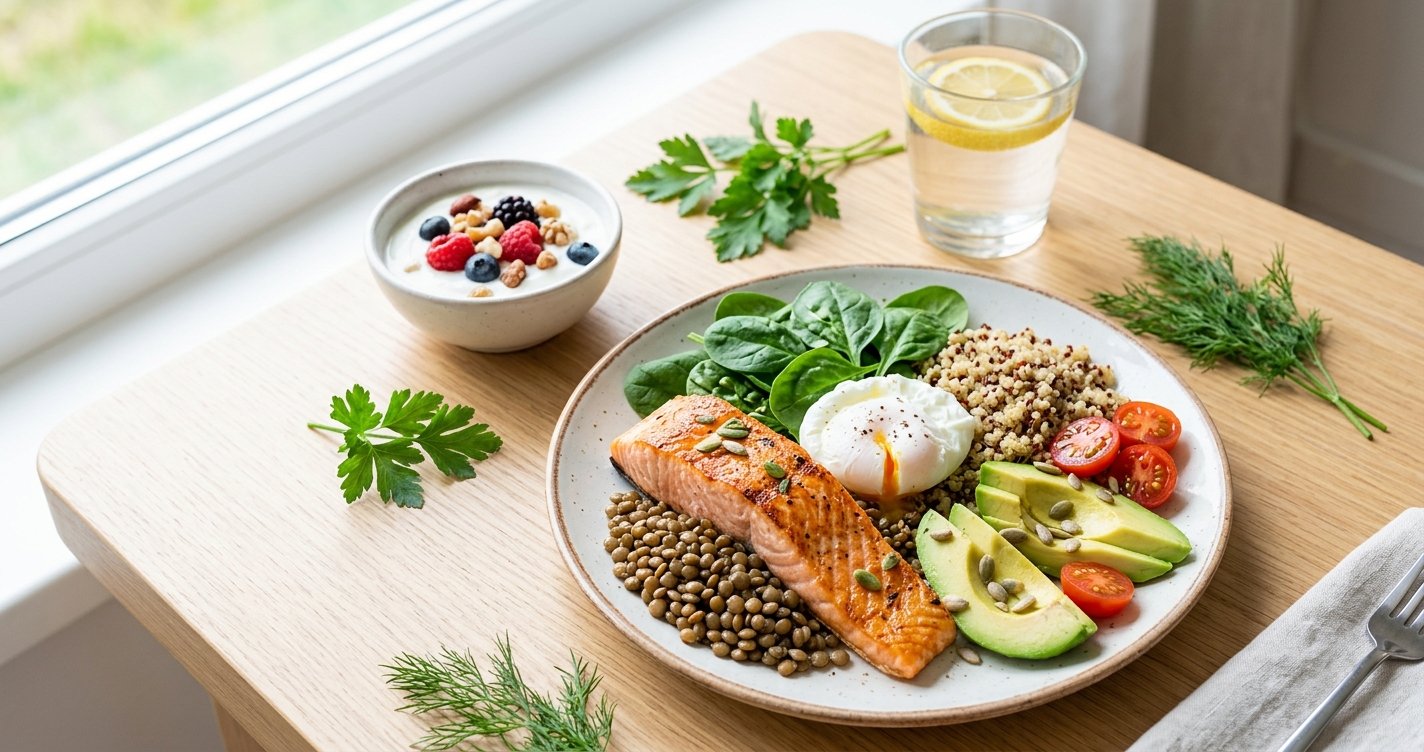
Are you tired of restrictive diets that leave you feeling hungry, deprived, and ultimately, back where you started? The journey to sustainable fat loss doesn't have to be a battle against your own cravings. What if there was a powerful, evidence-backed strategy that helps you feel fuller, preserve muscle, and even burn more calories, all while enjoying delicious food? Enter the high-protein diet – a game-changer for anyone serious about shedding fat and keeping it off.
Many people associate protein solely with building big muscles, but its role in fat loss is far more comprehensive and crucial than you might realize. This isn't just another fad; it's a nutritional cornerstone supported by extensive research, offering a friendly, effective, and encouraging path to achieving your body composition goals. Let's dive into why prioritizing protein can revolutionize your fat loss journey and how to easily incorporate more of this vital macronutrient into your daily life. this excellent wellness product
Why Protein is Your Fat Loss Ally: The Science-Backed Benefits
Protein isn't just a building block; it's a metabolic powerhouse that offers several unique advantages when you're trying to lose fat. Understanding these benefits can empower you to make smarter food choices.
Satiety and Reduced Cravings: How Protein Keeps You Full
One of the biggest hurdles in fat loss is managing hunger and cravings. This is where protein truly shines. Studies consistently show that protein is the most satiating macronutrient. When you eat protein, it triggers the release of hormones like GLP-1 and PYY, which signal to your brain that you're full and satisfied. This helps reduce overall calorie intake by curbing your appetite and preventing those dreaded snack attacks between meals. Imagine feeling genuinely content after your meals, making it easier to stick to your calorie goals without feeling deprived!
The Thermic Effect of Food (TEF): Burning More Calories Just by Eating
Did you know your body expends energy just to digest and process the food you eat? This is known as the Thermic Effect of Food (TEF). Protein has a significantly higher TEF compared to carbohydrates and fats. Approximately 20-30% of the calories from protein are burned during digestion, compared to 5-10% for carbs and 0-3% for fats. This means that by simply increasing your protein intake, you're boosting your daily calorie expenditure, giving you a slight metabolic advantage in your fat loss efforts.
Preserving Muscle Mass: The Key to a Revved Metabolism
When you're in a calorie deficit to lose fat, your body can sometimes break down muscle tissue for energy, alongside fat. This is undesirable because muscle is metabolically active, meaning it burns more calories at rest than fat does. A higher muscle mass translates to a higher resting metabolism, making it easier to maintain your weight in the long run. Consuming adequate protein during fat loss helps protect your precious muscle tissue, ensuring that the weight you lose is primarily fat, not muscle. This not only keeps your metabolism humming but also contributes to a more toned and sculpted physique.
How Much Protein Do You Really Need for Fat Loss?
The exact amount of protein needed can vary based on factors like your activity level, age, and current body weight. However, for active individuals aiming for fat loss, research generally suggests a protein intake of 1.6 to 2.2 grams per kilogram (g/kg) of body weight per day. If you're very active or aiming for significant muscle preservation, you might even go slightly higher, up to 2.5 g/kg.
To put this into perspective:
- For someone weighing 70 kg (approximately 154 lbs), this would translate to about 112-154 grams of protein per day.
- For someone weighing 90 kg (approximately 198 lbs), this would be roughly 144-198 grams of protein per day.
Spreading your protein intake throughout the day, aiming for 20-40 grams per meal or snack, is an excellent strategy to maximize its benefits for satiety and muscle protein synthesis.
Fueling Up: Top Protein Sources to Include in Your Diet
Incorporating more protein into your diet doesn't have to be bland or boring. There's a vast array of delicious and nutritious options to choose from, catering to various dietary preferences.
Animal-Based Proteins: Lean & Complete
These sources are typically complete proteins, meaning they contain all nine essential amino acids your body needs.
- Lean Meats: Chicken breast, turkey, lean cuts of beef (sirloin, round), pork loin.
- Fish and Seafood: Salmon (rich in omega-3s), tuna, cod, shrimp, scallops.
- Eggs: A versatile and affordable complete protein source.
- Dairy Products: Greek yogurt (especially high in protein), cottage cheese, skim milk, whey protein powder.
Plant-Based Proteins: Powering Up Your Plate
With a little planning, plant-based diets can also be rich in protein. Many plant proteins are not complete on their own, but combining different sources throughout the day ensures you get all essential amino acids.
- Legumes: Lentils, chickpeas, black beans, kidney beans.
- Soy Products: Tofu, tempeh, edamame.
- Grains: Quinoa (a complete protein), oats (contain some protein).
- Nuts and Seeds: Almonds, peanuts, chia seeds, flax seeds, pumpkin seeds.
- Protein Powders: Pea protein, soy protein, rice protein blends.
Practical Strategies for Boosting Your Protein Intake (Without Feeling Overwhelmed)
Increasing your protein intake might seem daunting at first, but with a few simple tweaks, it can become a natural part of your routine. Here are some friendly tips:
- Start Your Day with Protein: Instead of sugary cereals, opt for scrambled eggs, Greek yogurt with berries, or a protein smoothie. This sets you up for satiety throughout the morning.
- Include Protein at Every Meal: Make protein the centerpiece of your lunch and dinner. Aim for a palm-sized portion of lean meat, fish, or plant-based equivalent.
- Smart Snacking: Ditch the chips and cookies. Reach for protein-rich snacks like hard-boiled eggs, a handful of almonds, cottage cheese, or jerky.
- Utilize Protein Powders: A quick and easy way to boost protein. Add it to smoothies, oatmeal, or even bake with it.
- Meal Prep for Success: Cook larger batches of protein sources like chicken or lentils at the beginning of the week to easily add to meals.
- Prioritize Protein on Your Plate: When building your meal, think protein first, then add healthy carbs and fats.
Beyond Protein: Holistic Habits for Sustainable Fat Loss
While protein is a powerful tool, sustainable fat loss is a holistic endeavor. Incorporating other healthy habits will amplify your results and improve overall well-being.
Don't Forget Fiber and Healthy Fats!
Fiber, found in fruits, vegetables, and whole grains, adds bulk to your meals, further enhancing satiety and supporting digestive health. Healthy fats (from avocados, nuts, seeds, olive oil) are crucial for hormone production, nutrient absorption, and also contribute to feeling full and satisfied.
Hydration is Key
Often overlooked, adequate water intake plays a vital role in metabolism, energy levels, and can even help differentiate between hunger and thirst signals. Aim for at least 8 glasses of water daily.
Embrace Strength Training
As mentioned, preserving and building muscle is critical for a healthy metabolism. Incorporate 2-3 strength training sessions per week to complement your high-protein diet and sculpt your physique.
Prioritize Sleep and Manage Stress
Poor sleep and chronic stress can wreak havoc on your hormones, increasing cravings (ghrelin), reducing satiety (leptin), and promoting fat storage (cortisol). Aim for 7-9 hours of quality sleep and find healthy ways to manage stress, such as meditation, yoga, or spending time in nature.
Your High-Protein Fat Loss Journey Starts Now!
Embracing a high-protein diet is more than just a temporary fix; it's a sustainable lifestyle change that empowers you to take control of your fat loss journey. By understanding the science, knowing what to eat, and implementing practical strategies, you're well-equipped to achieve your goals without constant hunger or deprivation.
Remember, consistency is key, and patience is your friend. This isn't about perfection, but about progress. Start by making small, manageable changes today, and watch as the power of protein transforms your body and your relationship with food. You've got this!