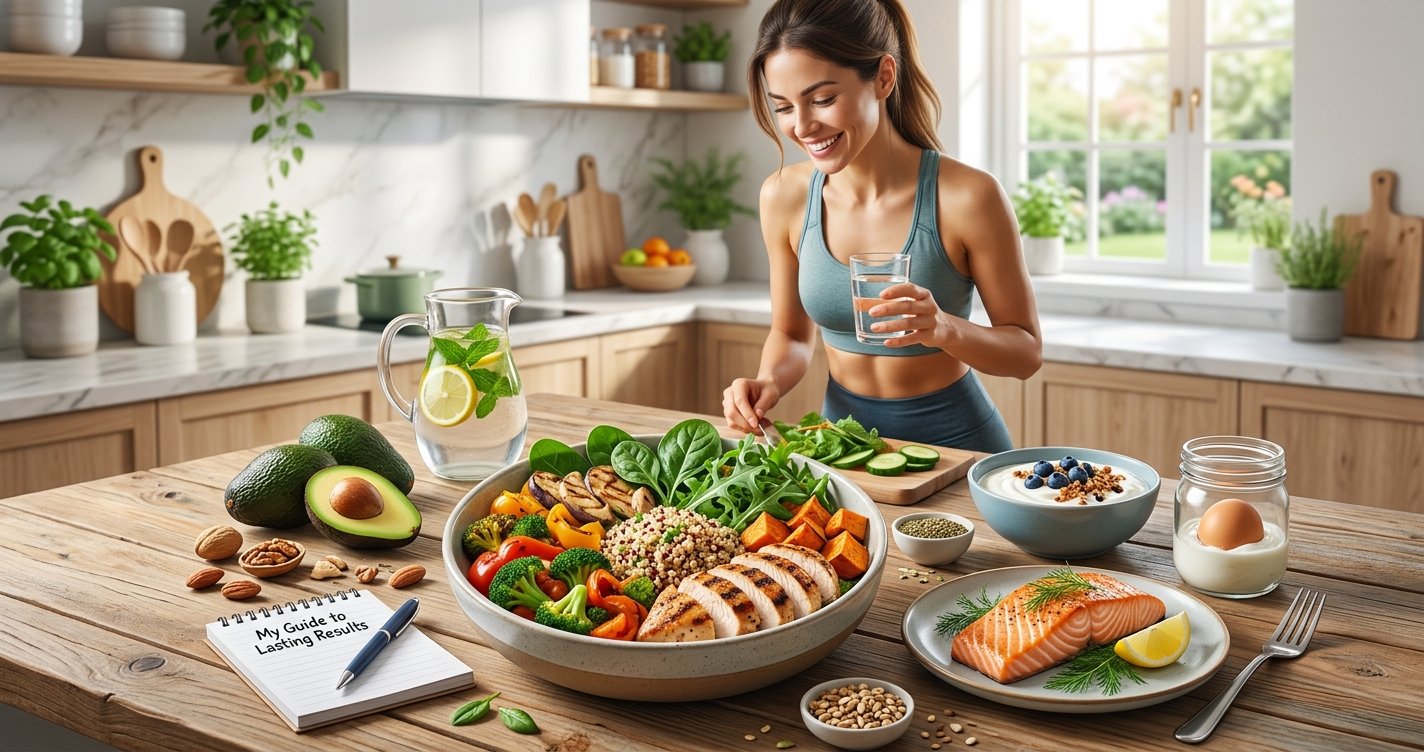
High-Protein Diet for Sustainable Fat Loss: Your Ultimate Guide to Lasting Results
Are you tired of restrictive diets that promise quick fixes but leave you feeling hungry, frustrated, and right back where you started? It’s a common story, but what if there was a powerful, evidence-based strategy that could help you achieve sustainable fat loss without constant deprivation? Enter the high-protein diet.
Protein isn't just for bodybuilders; it's a crucial macronutrient for anyone looking to manage their weight effectively, build a healthier body, and feel great. In this friendly, evidence-based guide, we'll dive deep into why prioritizing protein can be your secret weapon for lasting fat loss, how much you truly need, and how to easily incorporate more delicious protein into your daily life. Get ready to transform your approach to eating and unlock a healthier, leaner you! this excellent wellness product
Why Protein is Your Secret Weapon for Fat Loss
Protein plays several unique roles in your body that make it incredibly effective for fat loss, far beyond just 'building muscle'. Let's break down the science:
The Satiety Factor: Feeling Fuller, Longer
One of the biggest challenges with any fat loss journey is managing hunger and cravings. This is where protein shines! Protein is the most satiating of all macronutrients. When you eat protein, it signals your brain to reduce hunger by influencing key hormones like ghrelin (the hunger hormone) and peptide YY (a satiety hormone). This means you naturally feel fuller for longer after a protein-rich meal, leading to less snacking and a reduced overall calorie intake without feeling deprived. Imagine eating less without constantly battling hunger pangs!
Boosting Your Metabolism: The Thermic Effect of Food (TEF)
Did you know your body burns calories just to digest and process the food you eat? This is called the Thermic Effect of Food (TEF). Protein has a significantly higher TEF compared to carbohydrates and fats. Roughly 20-30% of the calories from protein are burned during digestion, absorption, and metabolism, compared to 5-10% for carbs and 0-3% for fats. This means that by simply increasing your protein intake, you're boosting your daily calorie expenditure, giving you a metabolic advantage in your fat loss efforts.
Preserving Muscle Mass: Burn Fat, Not Muscle
When you create a calorie deficit to lose weight, there's always a risk of losing valuable muscle mass along with fat. This is detrimental because muscle is metabolically active, meaning it burns more calories at rest than fat does. A higher protein intake is critical for preserving your precious muscle tissue during periods of weight loss. By protecting your muscle, you ensure that the weight you lose is primarily fat, helping to maintain a healthy metabolism and achieve a more toned, lean physique.
How Much Protein Do You Really Need?
The amount of protein needed can vary based on your activity level, age, and goals. While the general dietary reference intake (DRI) is 0.8 grams per kilogram of body weight, this is often considered a minimum to prevent deficiency, not necessarily optimal for fat loss or muscle preservation.
General Guidelines vs. Individual Needs
For individuals aiming for fat loss and muscle preservation, research suggests a higher intake. A good target range is between 1.6 to 2.2 grams of protein per kilogram of body weight (or approximately 0.7 to 1 gram per pound of body weight) daily. For example, a person weighing 70 kg (about 154 lbs) would aim for roughly 112-154 grams of protein per day.
Spreading It Out: Optimizing Intake Throughout Your Day
Don't try to consume all your protein in one sitting! Distributing your protein intake throughout the day, aiming for 20-40 grams per meal and snack, is more effective. This approach optimizes muscle protein synthesis (the process of building and repairing muscle) and helps keep you feeling satisfied and full consistently.
Delicious & Practical Protein Sources to Fuel Your Journey
Incorporating more protein doesn't have to be bland or boring. There are countless delicious options available:
Animal-Based Proteins
- Lean Meats: Chicken breast, turkey, lean cuts of beef (sirloin, round), pork loin.
- Fish: Salmon, tuna, cod, tilapia (excellent sources, often rich in omega-3 fatty acids).
- Eggs: A versatile, affordable, and complete protein source.
- Dairy: Greek yogurt, cottage cheese, milk, kefir (great for snacks and post-workout).
Plant-Based Proteins
- Legumes: Lentils, chickpeas, black beans, kidney beans.
- Soy Products: Tofu, tempeh, edamame (versatile for many cuisines).
- Grains & Seeds: Quinoa, chia seeds, hemp seeds, pumpkin seeds.
- Nuts: Almonds, peanuts, walnuts (eat in moderation due to higher calorie density).
Protein Supplements: When and How to Use Them
Protein supplements can be a convenient way to boost your intake, especially when whole food options aren't readily available or you have higher protein needs.
- Whey Protein: Fast-digesting, ideal post-workout.
- Casein Protein: Slow-digesting, good before bed or for sustained release.
- Plant-Based Powders: Pea, rice, soy, or blended plant proteins (great for those avoiding dairy or animal products).
Building Your High-Protein Meal Plan: Simple Strategies
It's easier than you think to integrate more protein into your daily meals:
Breakfast Boost: Start Strong
Kickstart your metabolism and satiety with a protein-rich breakfast. Think scrambled eggs with spinach, Greek yogurt with berries and a sprinkle of nuts, or a protein smoothie blended with fruit and a handful of spinach.
Lunch & Dinner: The Protein Anchor
Make protein the centerpiece of your main meals. Build your plate around a lean protein source (chicken, fish, tofu) and then add plenty of non-starchy vegetables and a small portion of complex carbohydrates like quinoa or sweet potato.
Smart Snacking
Avoid empty calories between meals. Opt for protein-rich snacks like a handful of almonds, a hard-boiled egg, cottage cheese, a protein bar, or a small serving of jerky. These will keep you full and prevent energy crashes.
Beyond Protein: Holistic Habits for Sustainable Fat Loss
While protein is a powerful tool, lasting fat loss is a holistic journey. Don't forget these other crucial lifestyle factors:
Hydration: Often Overlooked, Always Important
Drinking enough water is vital for overall health and metabolism. Sometimes, your body can mistake thirst for hunger, leading to unnecessary snacking. Aim for at least 8 glasses of water a day, more if you're active.
Strength Training: Complementing Your Diet
Pair your high-protein diet with regular strength training. Lifting weights helps build and maintain muscle mass, which further boosts your resting metabolism and improves your body composition. You'll not only lose fat but also look more toned and feel stronger.
Sleep & Stress Management: The Unsung Heroes
Poor sleep can wreak havoc on your fat loss efforts by disrupting hormones that regulate appetite (ghrelin and leptin) and increasing cortisol (the stress hormone), which can promote fat storage, especially around the belly. Prioritize 7-9 hours of quality sleep and find healthy ways to manage stress, whether it's through meditation, yoga, or spending time in nature.
Common Misconceptions & How to Overcome Them
Let's address a couple of common concerns about high-protein diets:
“Too Much Protein is Bad for Your Kidneys”
For healthy individuals with normal kidney function, there is no strong evidence to suggest that a high-protein diet causes kidney damage. In fact, many studies show it's safe and beneficial. However, if you have pre-existing kidney conditions, it's crucial to consult your doctor before making significant dietary changes.
“Protein Makes You Bulky”
Eating protein alone will not automatically make you bulky, especially for women. Building significant muscle mass requires specific, intense training, a caloric surplus, and often genetics. Protein helps you preserve and build lean muscle during fat loss, which contributes to a more toned and athletic physique, not necessarily a bulky one.
Conclusion
Embracing a high-protein diet is a powerful, evidence-based strategy for sustainable fat loss. By boosting satiety, increasing your metabolism, and preserving valuable muscle mass, protein sets you up for success. Combine it with smart whole food choices, consistent strength training, ample hydration, and healthy lifestyle habits, and you'll be well on your way to achieving your fat loss goals in a way that feels good, is sustainable, and lasts. Take that first step today and discover the power of protein for a healthier, happier you!