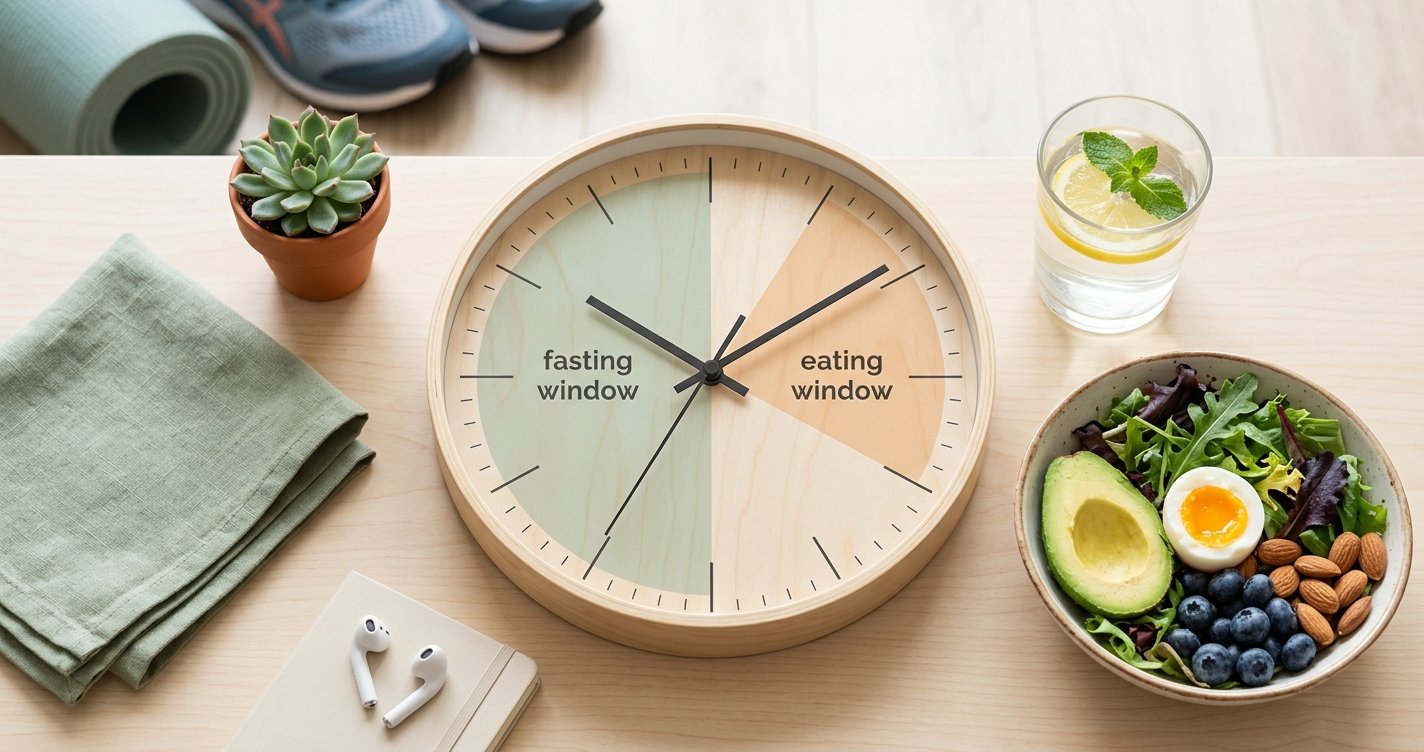
Are you searching for a sustainable way to shed those stubborn pounds, boost your energy, and feel more in control of your eating habits? You've likely heard the buzz around Intermittent Fasting (IF), a powerful approach to eating that has taken the wellness world by storm. But what exactly is it, and can it truly help you achieve your fat loss goals?
Here at [Your Blog Name/Friendly Tone], we're all about empowering you with evidence-based strategies that actually work. Intermittent Fasting isn't a diet in the traditional sense; it's an eating pattern that cycles between periods of eating and voluntary fasting. And for many, it’s become a game-changer for effective fat loss, metabolic health, and overall well-being. this excellent wellness product
In this comprehensive, friendly, and evidence-based guide, we'll demystify Intermittent Fasting. We’ll explore how it works, delve into its fat-burning mechanisms, discuss who can benefit most, and provide practical tips to help you get started safely and successfully. Get ready to unlock a new approach to eating that could transform your health and help you finally achieve the fat loss you’ve been aiming for!
What Exactly is Intermittent Fasting (IF)?
At its core, Intermittent Fasting is about when you eat, rather than what you eat (though what you eat during your eating window is still super important!). It involves consciously choosing to refrain from food for specific periods, allowing your body to switch from burning sugar for fuel to burning stored fat.
Popular Intermittent Fasting Methods:
- 16/8 Method (Leangains Protocol): This is arguably the most popular and beginner-friendly method. You fast for 16 hours each day and have an 8-hour eating window. For example, you might skip breakfast, eat your first meal at 1 PM, and finish your last meal by 9 PM.
- Eat-Stop-Eat: This involves a 24-hour fast once or twice a week. For instance, you might finish dinner on Monday at 7 PM and not eat again until dinner on Tuesday at 7 PM.
- 5:2 Diet: With this method, you eat normally for five days of the week and restrict your calorie intake to 500-600 calories on two non-consecutive days.
- OMAD (One Meal A Day): As the name suggests, you eat only one large meal per day, typically within a 1-2 hour window, effectively fasting for 23 hours. This is an advanced method.
No matter which method you choose, the key is consistency and ensuring your eating window consists of nutritious, balanced meals.
How Does Intermittent Fasting Promote Fat Loss? (The Science Behind It)
Intermittent Fasting isn't just a fad; its effectiveness for fat loss is backed by some fascinating physiological changes in your body. When you fast, several crucial hormonal and metabolic shifts occur that make your body more efficient at burning fat.
The Insulin Connection: Your Fat-Storage Hormone
Every time you eat, especially carbohydrates, your body releases insulin. Insulin's job is to move glucose from your bloodstream into your cells for energy. While essential, chronically high insulin levels signal your body to store fat and prevent it from releasing stored fat for energy. By extending the time between meals, IF allows your insulin levels to drop significantly. When insulin is low, your body can tap into its fat stores more easily, turning them into usable energy.
Hormonal Boost for Fat Burning:
- Human Growth Hormone (HGH): During fasting, HGH levels can increase dramatically. HGH is a powerful hormone that helps preserve muscle mass and promotes fat burning. This is great news for body composition!
- Norepinephrine (Noradrenaline): Fasting can increase the release of norepinephrine, a hormone that signals fat cells to break down stored body fat into free fatty acids, which can then be burned for energy.
Autophagy and Cellular Repair (A Bonus Benefit!):
Beyond fat loss, IF triggers a process called autophagy, which means "self-eating." This is your body's way of cleaning out old, damaged cells and regenerating new, healthier ones. Think of it as a natural cellular detoxification program! While not directly a fat loss mechanism, improved cellular health contributes to overall metabolic efficiency.
Is Intermittent Fasting Right for YOU? (Who Should Consider It & Who Should Be Cautious)
Intermittent Fasting offers a flexible approach that can fit many lifestyles, but it's not a one-size-fits-all solution. Understanding if it aligns with your health goals and current circumstances is crucial.
Who Can Benefit Most:
- Individuals looking for a sustainable fat loss strategy: If you struggle with constant snacking or overeating, IF can help you regulate your eating patterns.
- Those seeking metabolic health improvements: IF can enhance insulin sensitivity, which is beneficial for managing blood sugar and reducing the risk of type 2 diabetes.
- People with busy schedules: Skipping breakfast or simplifying meal prep can free up time and mental energy.
- Anyone wanting to simplify their diet: IF removes the need to constantly think about food throughout the day.
Who Should Exercise Caution (or Avoid):
While generally safe for healthy adults, certain groups should approach IF with caution or avoid it entirely. Always consult your doctor or a registered dietitian before starting any new dietary regimen, especially if you have underlying health conditions.
- Pregnant or breastfeeding women: Nutritional needs are higher during these periods.
- Individuals with a history of eating disorders: IF could potentially trigger unhealthy patterns.
- People with Type 1 Diabetes: Blood sugar management is critical and can be complicated by fasting.
- Those on certain medications: Especially those that need to be taken with food or affect blood sugar.
- Children and adolescents: Their growing bodies have different nutritional requirements.
- Individuals who are underweight or have significant nutrient deficiencies.
Getting Started with Intermittent Fasting: A Beginner's Guide
Ready to give IF a try? Here’s a friendly roadmap to help you start your journey successfully and safely.
1. Choose Your Method Wisely:
Don't jump straight into a 24-hour fast. Start with the most forgiving method, the 16/8 protocol. This often means simply skipping breakfast and having your first meal at lunchtime. Gradually extend your fasting window as you feel comfortable.
2. Hydration is Key:
During your fasting window, it's essential to stay well-hydrated. Drink plenty of water. Black coffee, unsweetened tea, and plain sparkling water are also generally permitted and can help curb hunger without breaking your fast.
3. Focus on Nutrient-Dense Meals During Your Eating Window:
Intermittent Fasting isn't a license to eat junk food. To maximize fat loss and overall health, prioritize whole, unprocessed foods. Load up on lean proteins (chicken, fish, legumes), healthy fats (avocado, nuts, olive oil), and plenty of fiber-rich vegetables and fruits. These foods will keep you feeling full and satisfied, providing your body with essential nutrients.
4. Listen to Your Body:
Initial hunger pangs are normal as your body adjusts. However, if you feel consistently unwell, dizzy, or excessively weak, it's okay to break your fast and reassess. IF should feel sustainable, not punishing. Adjust your windows as needed.
5. Patience and Consistency:
Fat loss is a journey, not a sprint. Give your body time to adapt to the new eating pattern. Consistent effort over time will yield the best results. Don't get discouraged by slow progress; celebrate every small victory!
Common Intermittent Fasting Myths Debunked
Let's clear up some common misconceptions that might be holding you back.
Myth 1: "You'll Lose Muscle Mass"
Fact: While prolonged starvation can lead to muscle loss, typical IF protocols (like 16/8) are generally muscle-sparing, especially if you consume adequate protein during your eating window and incorporate strength training. As mentioned, HGH levels even increase during fasting, which helps preserve muscle.
Myth 2: "It Slows Down Your Metabolism"
Fact: Short-term fasting (up to 72 hours) has actually been shown to *increase* metabolic rate, not decrease it. Your body adapts by becoming more efficient at burning fat for energy. Prolonged fasting (many days) can eventually slow metabolism, but this is not what typical IF protocols entail.
Myth 3: "You Can Eat Whatever You Want During Your Eating Window"
Fact: While IF gives you flexibility, it's not a magic bullet that bypasses the laws of thermodynamics. To lose fat, you still need to be in a calorie deficit over time. Filling your eating window with highly processed foods, sugary drinks, and excessive calories will hinder your fat loss progress. Quality still matters!
Embrace Your Intermittent Fasting Journey for Sustainable Fat Loss
Intermittent Fasting offers a powerful, evidence-based strategy for sustainable fat loss, improved metabolic health, and a greater sense of control over your eating habits. By understanding how it works and applying it thoughtfully, you can tap into your body's natural fat-burning potential.
Remember, this is a journey of self-discovery and health optimization. Start slow, listen to your body, prioritize nutrient-dense foods, and always consult with a healthcare professional before making significant dietary changes. With a friendly and encouraging mindset, you're well on your way to achieving your fat loss goals and feeling your best!