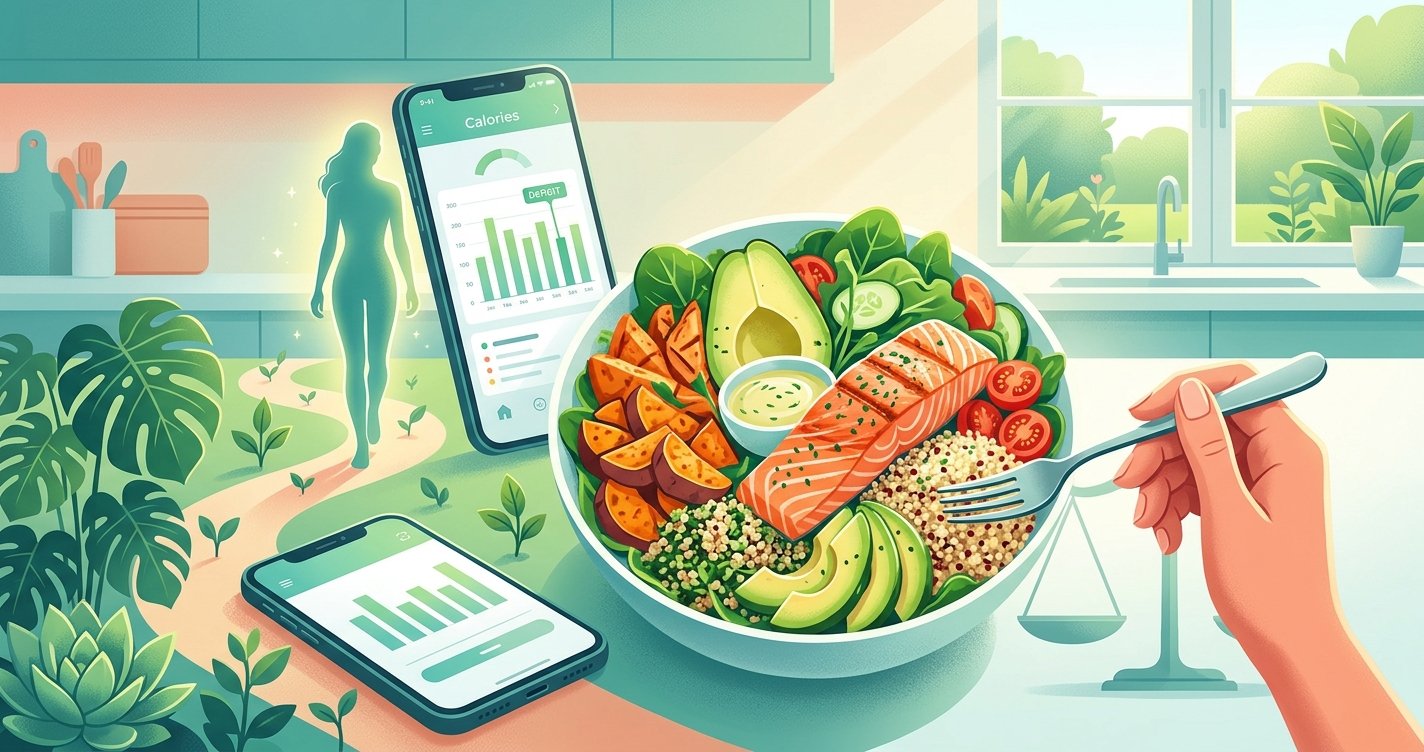
The Sustainable Secret to Fat Loss: Master Your Caloric Deficit Without Feeling Deprived
The journey to fat loss can often feel like a confusing maze, filled with conflicting advice and the allure of quick fixes. Many people jump into extreme diets, hoping for rapid results, only to find themselves burnt out, deprived, and ultimately back where they started – sometimes even gaining more weight back. But what if there was a simpler, more effective, and most importantly, sustainable path? The answer lies in understanding and mastering the caloric deficit.
Forget crash diets and unrealistic restrictions. This guide will walk you through the evidence-based approach to sustainable fat loss: creating a smart caloric deficit. We'll demystify the science, offer practical strategies to implement it without feeling starved, and empower you to achieve lasting results, all while prioritizing your health and well-being. Ready to unlock the secret to a leaner, healthier you? this excellent wellness product
What Exactly *Is* a Caloric Deficit?
At its core, fat loss boils down to a fundamental principle of energy balance: calories in versus calories out. Your body needs a certain amount of energy (measured in calories) to perform all its daily functions – from breathing and thinking to exercising and digesting food. This is your Total Daily Energy Expenditure (TDEE).
A caloric deficit simply means you're consistently consuming fewer calories than your body uses in a day. When this happens, your body, being incredibly efficient, turns to its stored energy reserves – primarily fat – to make up the difference. This process is how you lose body fat. It's not about magic pills or restrictive food groups; it's a scientific reality supported by decades of research. Understanding this fundamental concept is the first, crucial step toward taking control of your fat loss journey.
Why Sustainability is Key for Long-Term Fat Loss
You might be thinking, "Okay, so I just eat less!" While that's technically true, the devil is in the details – specifically, in how much less. Extreme caloric deficits, often seen in crash diets, can lead to rapid initial weight loss, but they come with a hefty price tag. They can cause:
- Intense Hunger and Cravings: Making adherence nearly impossible.
- Fatigue and Low Energy: Impacting your daily life and motivation.
- Nutrient Deficiencies: If food choices are too limited.
- Metabolic Adaptation: Your body might slow down its metabolism to conserve energy, making further fat loss harder.
- Muscle Loss: Along with fat, especially if protein intake is insufficient.
- Psychological Burnout: Leading to a "what the heck" moment and binge eating.
A sustainable caloric deficit, on the other hand, is one that you can comfortably maintain over weeks and months. It prioritizes gradual, consistent progress over quick, fleeting drops. This approach not only protects your metabolism and preserves muscle mass but also fosters a healthier relationship with food and ensures you're getting adequate nutrition. It's about making small, manageable changes that become part of your lifestyle, leading to lasting results that truly stick.
How to Calculate Your Caloric Deficit (No Math Degree Required!)
Calculating your specific caloric needs might sound daunting, but it's simpler than you think. You don't need to be a mathematician; online tools can do the heavy lifting for you.
Estimate Your Total Daily Energy Expenditure (TDEE):
Your TDEE is the total number of calories your body burns in a 24-hour period, taking into account your Basal Metabolic Rate (BMR – calories burned at rest) and your activity level. You can find numerous free TDEE calculators online. Simply input your age, gender, height, weight, and activity level. Remember, these are estimates, but they provide an excellent starting point.
Create a Modest Deficit:
Once you have your estimated TDEE, the next step is to subtract a reasonable number of calories to create your deficit. For sustainable and healthy fat loss, aiming for a deficit of 300-500 calories below your TDEE is generally recommended. This typically translates to a healthy fat loss rate of 0.5 to 1 pound per week. While 1 pound a week might not sound like much, it's 52 pounds in a year – a significant and sustainable change!
Don't Go Too Low:
It's crucial not to drastically cut calories. Dropping below 1200 calories per day for women or 1500 for men (without medical supervision) can be detrimental to your health, leading to nutrient deficiencies, extreme hunger, and the metabolic issues discussed earlier. The goal is to be in a deficit, not in starvation mode.
Smart Strategies for Creating Your Deficit (Without Starving!)
Creating a caloric deficit doesn't mean eating tiny, unsatisfying meals. It's about making smart food choices that maximize satiety and nutrition while minimizing excess calories. Here are some evidence-based strategies:
Prioritize Protein:
Protein is your best friend for fat loss. It's highly satiating, meaning it keeps you feeling fuller for longer, which helps curb cravings. Furthermore, adequate protein intake is crucial for preserving muscle mass during a deficit, which is vital for maintaining a healthy metabolism. Include lean protein sources like chicken breast, fish, eggs, Greek yogurt, cottage cheese, tofu, and legumes in every meal.
Load Up on Fiber-Rich Foods:
Fruits, vegetables, and whole grains are packed with fiber, which adds volume to your meals without adding many calories. Fiber also aids digestion and contributes to feelings of fullness. Aim to fill at least half of your plate with non-starchy vegetables at lunch and dinner.
Stay Hydrated:
Often, what we perceive as hunger is actually thirst. Drinking plenty of water throughout the day can help manage appetite, boost metabolism slightly, and improve overall health. Try drinking a large glass of water before each meal.
Practice Mindful Eating:
Slow down and pay attention to your food. Savor each bite, notice the flavors and textures, and tune into your body's hunger and fullness cues. Eating mindfully can help you recognize when you're truly satisfied, preventing overeating.
Control Portions:
Even healthy foods can contribute to a caloric surplus if eaten in excessive amounts. Learn what a true serving size looks like for different foods. Using smaller plates can also trick your brain into feeling more satisfied with less.
Reduce Liquid Calories:
Sugary drinks like sodas, fruit juices, sweetened coffees, and excessive alcohol provide a lot of calories without contributing much to satiety. Cutting these out or significantly reducing them is often one of the easiest ways to create a significant caloric deficit without feeling deprived of food.
Cook at Home More Often:
When you cook your own meals, you have complete control over ingredients, portion sizes, and cooking methods, making it much easier to manage your caloric intake.
The Role of Exercise in Your Fat Loss Journey
While nutrition is paramount for creating a caloric deficit, exercise plays a critical supporting role. It not only helps burn additional calories, contributing to your deficit, but also offers numerous health benefits and helps shape your physique.
Strength Training:
Don't skip the weights! Strength training is crucial for preserving and even building muscle mass during a fat loss phase. Muscle is metabolically active tissue, meaning it burns more calories at rest than fat does. Maintaining or increasing muscle mass can help keep your metabolism revving and give your body a more toned appearance.
Cardio Exercise:
Cardiovascular activities like brisk walking, jogging, cycling, swimming, or dancing directly burn calories, further widening your caloric deficit. Find an activity you enjoy to make it sustainable and fun.
Non-Exercise Activity Thermogenesis (NEAT):
This refers to the calories burned through everyday movements not related to structured exercise – think walking to the store, taking the stairs, standing more, fidgeting, or gardening. Small increases in NEAT throughout your day can add up to a significant number of burned calories over time.
Beyond the Calories: Lifestyle Factors That Matter
Fat loss isn't just about what you eat and how you move; it's intricately linked to your overall lifestyle. Neglecting these areas can sabotage even the most well-planned caloric deficit.
Prioritize Sleep:
Lack of adequate sleep (aim for 7-9 hours per night) can wreak havoc on your hunger and satiety hormones (ghrelin and leptin), leading to increased cravings for unhealthy foods and a higher likelihood of overeating. Poor sleep also impacts energy levels and motivation for exercise.
Manage Stress:
Chronic stress can elevate cortisol levels, a hormone that, in excess, can promote fat storage, particularly around the abdominal area. Stress can also lead to emotional eating. Incorporate stress-reducing activities like meditation, yoga, deep breathing, or spending time in nature.
Embrace Patience and Consistency:
Fat loss is a marathon, not a sprint. Sustainable results take time. There will be good days and challenging days. The key is consistency over perfection. Don't get discouraged by slow progress; celebrate small victories and stay committed to your long-term goals.
Tracking Your Progress (and What to Do If You Plateau)
Monitoring your progress is essential to ensure your strategies are working and to make adjustments when necessary. However, the scale isn't the only metric.
Multiple Metrics:
While the scale can be a useful tool, don't let it be your sole focus. Take regular body measurements (waist, hips, arms), progress photos, and pay attention to how your clothes fit. Notice improvements in your energy levels, sleep quality, and overall mood.
Plateaus Are Normal:
At some point, your fat loss might slow down or temporarily stop. This is a normal part of the process. If you hit a plateau, reassess your current intake and activity. Are you accurately tracking your food? Has your activity level decreased? You might need to slightly reduce your caloric intake further (by another 100-200 calories) or increase your activity level. Remember to be patient and make small, incremental changes.
Conclusion
Achieving sustainable fat loss isn't about deprivation or extreme measures; it's about smart, consistent choices that align with your body's needs and your lifestyle. By understanding the power of a sustainable caloric deficit and implementing evidence-based strategies, you can take control of your health and transform your body without feeling deprived. Focus on nourishing your body with whole foods, staying active, prioritizing sleep and stress management, and embracing patience. This isn't just a diet; it's a journey towards a healthier, more vibrant you – a journey you can truly sustain for life.