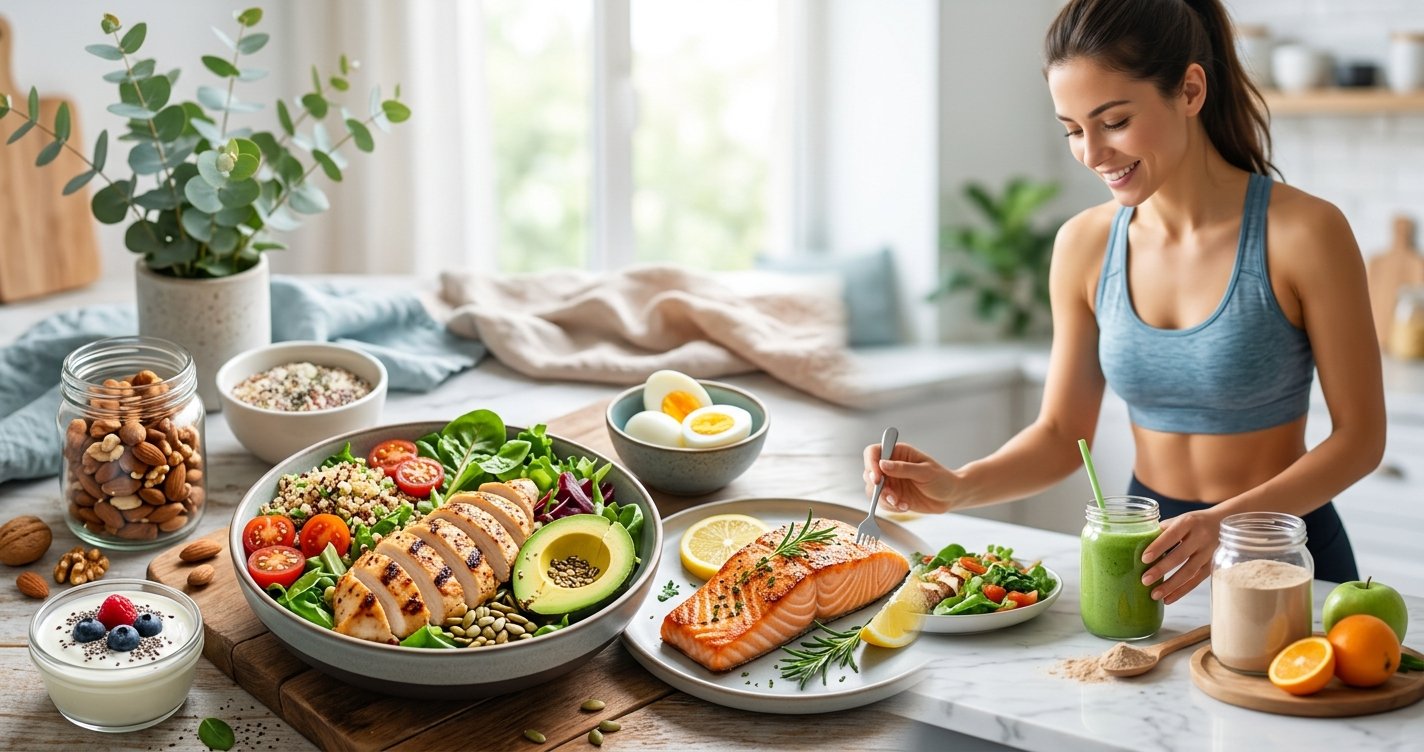
Embarking on a fat loss journey can feel like a complex puzzle. You’re watching what you eat, you’re moving more, but sometimes the results aren't quite what you expect, or worse, you feel like you're losing muscle along with the fat. What if there was one nutritional powerhouse that could significantly boost your efforts, keep you feeling full, and protect your precious muscle mass? Enter protein – your ultimate ally in sustainable fat loss.
Often misunderstood and underestimated, protein isn't just for bodybuilders. It’s a vital macronutrient that plays a critical role in every aspect of your fat loss journey, from curbing cravings to stoking your metabolism. In this comprehensive guide, we'll dive deep into why protein is so crucial, how much you truly need, and practical ways to integrate more of it into your daily life. Get ready to unlock your body’s full fat-burning potential! this excellent wellness product
Why Protein Is Your Best Friend for Fat Loss
Protein offers a unique trifecta of benefits that make it indispensable when you're aiming to shed body fat while maintaining a healthy, strong physique.
The Satiety Factor: Feeling Full, Longer
One of the biggest challenges in a calorie deficit is managing hunger. Protein is a champion at promoting satiety, meaning it helps you feel fuller for longer compared to carbohydrates or fats. This is because protein influences hormones that signal fullness, like GLP-1 and CCK, and reduces ghrelin, the 'hunger hormone.' By keeping hunger at bay, protein makes it easier to stick to your dietary goals and avoid unnecessary snacking or overeating.
The Thermic Effect: Burning More Calories Just by Eating
Did you know that your body burns calories just to digest and process the food you eat? This is known as the Thermic Effect of Food (TEF). Protein has a significantly higher TEF than carbohydrates or fats. While fats have a TEF of 0-3% and carbs 5-10%, protein boasts a TEF of 20-30%. This means that for every 100 calories of protein you consume, your body uses 20-30 of those calories just to process it. It's like a mini metabolic boost with every bite!
Muscle Preservation: Protecting Your Metabolism
When you're in a calorie deficit, your body can sometimes break down muscle tissue for energy, especially if you're not consuming enough protein. This is detrimental because muscle is metabolically active – it burns more calories at rest than fat does. Losing muscle can slow down your metabolism, making fat loss harder in the long run and increasing the chances of weight regain. A high protein intake, especially when combined with resistance training, signals to your body to preserve muscle mass, ensuring that the weight you lose is primarily fat, not muscle.
How Much Protein Do You Really Need for Fat Loss?
This is a common question, and the answer isn't a one-size-fits-all. While the Recommended Dietary Allowance (RDA) for protein is 0.8 grams per kilogram (g/kg) of body weight for general health, research suggests that a higher intake is beneficial for fat loss and muscle preservation.
General Recommendations vs. Fat Loss Specifics
For individuals actively pursuing fat loss, a range of 1.6 to 2.2 grams of protein per kilogram of body weight is often recommended. If you're very active or significantly restricting calories, you might even benefit from slightly higher amounts, up to 2.4-3.1 g/kg, to maximize muscle retention.
- Example: If you weigh 70 kg (approximately 154 lbs), aiming for 1.6-2.2 g/kg means consuming roughly 112 to 154 grams of protein per day.
Calculating Your Target: A Simple Guide
To make it easy, here’s a quick way to estimate your protein needs:
- Convert your weight to kilograms: Weight in pounds / 2.2 = Weight in kg.
- Multiply by your target range: Weight in kg * 1.6 (for a good baseline) or Weight in kg * 2.2 (for a more aggressive approach, especially with higher activity).
Alternatively, many find it simpler to aim for 0.7 to 1 gram of protein per pound of target body weight (or current body weight if you're not significantly overweight). This often aligns well with the g/kg recommendations.
Factors That Influence Your Needs
- Activity Level: The more active you are, especially with strength training, the higher your protein needs.
- Age: Older adults may require more protein to counteract age-related muscle loss (sarcopenia).
- Calorie Deficit: A larger calorie deficit generally warrants a higher protein intake to protect muscle.
Top Protein Sources: Fueling Your Journey
Meeting your protein goals doesn't have to be bland or boring. A wide variety of delicious and nutritious foods can help you hit your targets.
Lean Meats & Poultry
- Chicken Breast/Thighs: Versatile and lean.
- Turkey Breast/Ground Turkey: Excellent low-fat options.
- Lean Beef (sirloin, round): Rich in iron and B vitamins.
- Pork Loin: A surprisingly lean cut.
Fish & Seafood
- Salmon: High in protein and beneficial omega-3 fatty acids.
- Tuna: Convenient and high in protein.
- Cod/Tilapia: Lean, white fish options.
- Shrimp: Low calorie, high protein, quick-cooking.
Dairy & Eggs
- Greek Yogurt: Packed with protein and probiotics.
- Cottage Cheese: Slow-digesting casein protein, great for bedtime.
- Eggs: A complete protein, incredibly versatile.
- Milk (especially skim or low-fat): Good source of protein and calcium.
Plant-Based Powerhouses
- Legumes (lentils, beans, chickpeas): Fiber-rich and protein-packed.
- Tofu & Tempeh: Soy-based proteins that absorb flavors well.
- Edamame: Great snack or addition to salads.
- Quinoa: A complete grain protein.
- Nuts & Seeds (in moderation): Good protein boost, but calorie-dense.
Protein Supplements: When and How
While whole foods should always be your primary source of protein, supplements can be a convenient and effective way to meet your daily goals, especially if you're struggling to eat enough. Whey protein, casein protein, and plant-based protein powders (pea, rice, soy) are popular choices. They are great for post-workout recovery, as a quick snack, or added to smoothies.
Practical Strategies for Boosting Your Protein Intake
Integrating more protein into your diet can be simple with a few smart strategies.
Protein at Every Meal
Instead of front-loading or back-loading your protein, aim to spread your intake throughout the day. This helps optimize muscle protein synthesis and keeps you feeling satisfied. Try to include 20-40 grams of protein in each main meal.
- Breakfast: Scrambled eggs with spinach, Greek yogurt with berries, protein smoothie.
- Lunch: Chicken salad, lentil soup, tuna sandwich on whole-wheat.
- Dinner: Baked salmon with roasted vegetables, lean beef stir-fry, tofu curry.
Smart Snacking
Turn your snacks into protein opportunities instead of just empty calories.
- Hard-boiled eggs
- Cottage cheese with fruit
- Handful of almonds
- Edamame
- Protein bar (check sugar content)
- Beef jerky (low sodium)
Meal Prep Like a Pro
Dedicate some time each week to prepare protein sources. Cook a batch of chicken breasts, hard-boil a dozen eggs, or prepare a large lentil salad. Having ready-to-eat protein makes healthy choices much easier throughout the busy week.
Creative Kitchen Hacks
- Add protein powder to oatmeal, pancakes, or baked goods.
- Boost soups and stews with shredded chicken, lentils, or ground turkey.
- Use Greek yogurt in place of sour cream or mayonnaise in dressings and dips.
- Sneak in cottage cheese (blended) into smoothies or sauces for a creamy, protein-rich boost.
Busting Protein Myths & Common Mistakes
Let's clear up some misconceptions and highlight common pitfalls.
"Too Much Protein Harms Kidneys" (Debunked)
For healthy individuals, there is no strong evidence that a high protein intake causes kidney damage. If you have pre-existing kidney disease, then protein intake needs to be medically managed. For most people, a high protein diet is safe and beneficial.
Not Spreading Protein Throughout the Day
Eating one huge protein meal at dinner won't be as effective for satiety or muscle protein synthesis as distributing your protein intake across multiple meals. Your body can only utilize so much protein at one time for muscle building.
Relying Solely on Supplements
While useful, supplements should complement, not replace, whole food protein sources. Whole foods provide a broader spectrum of nutrients, fiber, and micronutrients essential for overall health.
Beyond Protein: Holistic Fat Loss Tips
While protein is a powerful tool, remember it's one piece of the larger fat loss puzzle. For truly sustainable and healthy results, consider these additional pillars:
Calorie Deficit Is Still Key
Regardless of your macronutrient breakdown, you still need to consume fewer calories than you burn to lose fat. Protein helps you achieve this deficit more comfortably, but it doesn't negate the fundamental law of energy balance.
Strength Training's Synergy
Pairing a high-protein diet with regular strength training is the ultimate combination for body recomposition. Lifting weights signals your muscles to grow and adapt, making the protein you consume even more effective at preserving and building muscle while you lose fat.
Hydration, Sleep, and Stress Management
Don't underestimate the impact of these foundational elements. Adequate water intake, 7-9 hours of quality sleep, and effective stress management all play critical roles in hormonal balance, metabolism, and your body's ability to effectively burn fat.
Ready to Power Up Your Fat Loss?
Protein is more than just a nutrient; it's a strategic partner in your fat loss journey. By understanding its profound benefits for satiety, metabolism, and muscle preservation, and by implementing practical strategies to increase your intake, you're not just losing weight – you're building a stronger, healthier, and more resilient body.
Start small, make conscious choices, and watch as this powerful macronutrient transforms your results. Your journey to sustainable fat loss and a leaner, more energized you is well within reach!