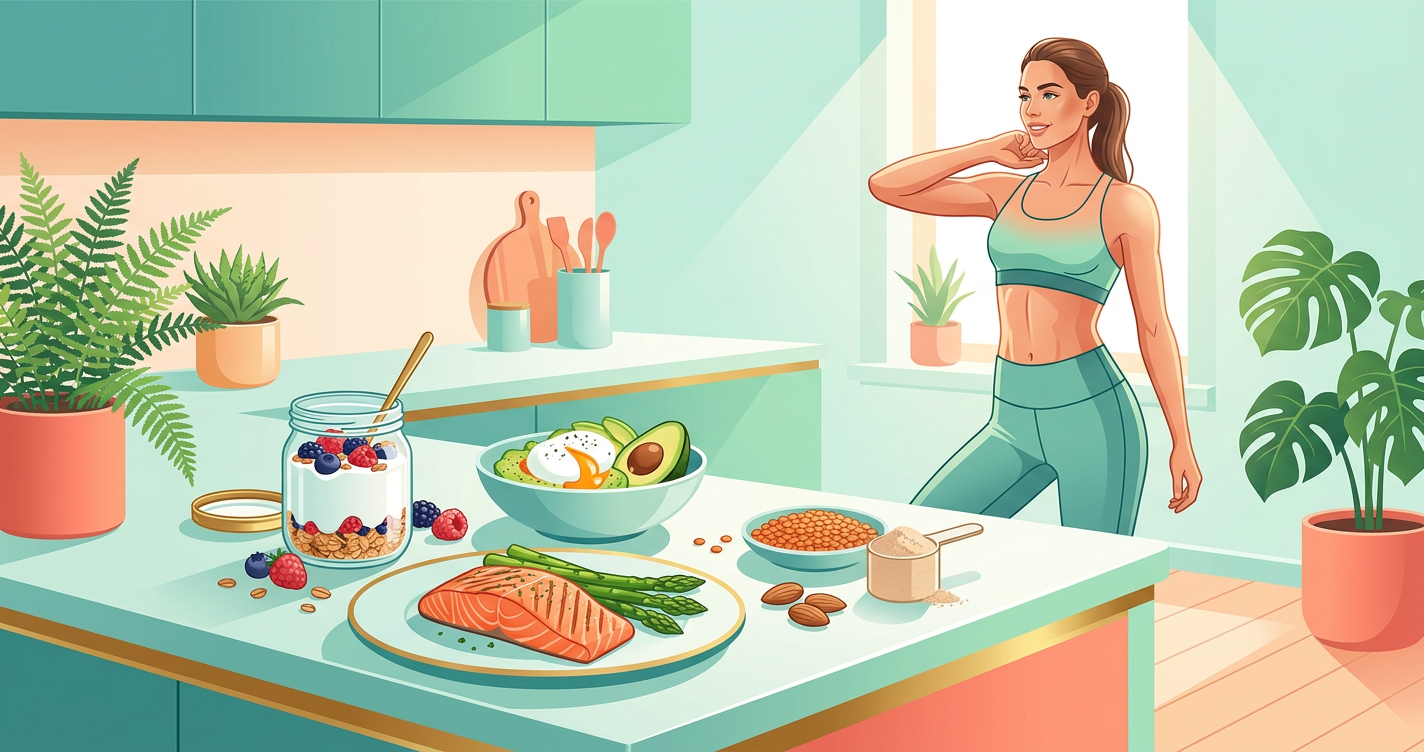
The Protein Advantage: Unlock Sustainable Fat Loss & Build a Leaner You
Are you tired of restrictive diets that leave you feeling hungry, deprived, and ultimately, frustrated? The journey to sustainable fat loss can feel like a confusing maze, filled with conflicting advice and temporary fixes. But what if there was a powerful, evidence-based strategy that could transform your approach, helping you feel fuller, preserve muscle, and boost your metabolism? Meet your new best friend in fat loss: protein.
Often hailed by athletes and bodybuilders, protein's incredible benefits extend to anyone looking to lose fat effectively and keep it off. It’s not just about building big muscles; it's about optimizing your body's natural fat-burning capabilities, enhancing satiety, and supporting overall health. In this guide, we'll dive deep into why protein is your ultimate ally for sustainable fat loss, how much you truly need, and how to seamlessly integrate it into your daily life. this excellent wellness product
Why Protein is Your Fat Loss MVP (Most Valuable Player)
Protein isn't just a macronutrient; it's a metabolic superpower. Its unique properties make it exceptionally effective for fat loss, working on multiple fronts to help you achieve your goals without constant hunger pangs.
1. The Satiety Superstar: Keeping You Fuller, Longer
One of the biggest challenges in fat loss is managing hunger. When you feel constantly hungry, sticking to a calorie deficit becomes incredibly difficult. This is where protein shines! Studies consistently show that protein is the most satiating macronutrient. Eating protein-rich meals helps reduce levels of ghrelin (your hunger hormone) and boosts peptide YY and GLP-1 (satiety hormones), leading to:
- Reduced overall calorie intake without conscious effort.
- Fewer cravings for unhealthy snacks.
- Greater satisfaction after meals.
Imagine going hours feeling comfortably full after a meal, rather than constantly thinking about your next snack. That’s the protein advantage!
2. The Thermic Effect: Burning More Calories Just by Eating
Did you know your body expends energy just to digest, absorb, and metabolize the food you eat? This is known as the Thermic Effect of Food (TEF). And guess which macronutrient has the highest TEF? You guessed it – protein! While carbohydrates have a TEF of 5-10% and fats 0-3%, protein boasts an impressive 20-30%. This means that for every 100 calories of protein you consume, your body burns 20-30 calories just to process it. While not a magic bullet, this metabolic boost adds up over time, contributing to a higher daily calorie expenditure and making your fat loss efforts more efficient.
3. Muscle Preservation: Protecting Your Metabolism
When you're in a calorie deficit to lose fat, your body can sometimes break down muscle tissue for energy, not just fat. This is detrimental because muscle is metabolically active, meaning it burns more calories at rest than fat does. Losing muscle can slow down your metabolism, making it harder to lose weight and easier to regain it. A higher protein intake, especially when combined with strength training, helps signal your body to preserve precious muscle mass, ensuring that the weight you lose is primarily fat, not muscle. This keeps your metabolism humming and supports a leaner, stronger physique.
How Much Protein Do You Really Need for Fat Loss?
The standard Recommended Dietary Allowance (RDA) for protein is 0.8 grams per kilogram of body weight, which is the minimum to prevent deficiency. However, for active individuals or those specifically aiming for fat loss, research suggests significantly higher intakes are beneficial. For optimal fat loss and muscle preservation, aim for:
- 1.6 to 2.2 grams of protein per kilogram of body weight (0.7 to 1 gram per pound).
For example, a person weighing 70 kg (about 154 lbs) would aim for approximately 112 to 154 grams of protein per day. Spreading this intake throughout the day (e.g., 20-40 grams per meal) is generally more effective for satiety and muscle protein synthesis than consuming it all in one sitting.
Top Protein Sources for Every Diet
Integrating more protein doesn't have to be complicated or boring. There's a wide variety of delicious and accessible sources to fit any dietary preference.
Animal-Based Protein Sources:
- Lean Meats: Chicken breast, turkey, lean beef, pork tenderloin.
- Fish & Seafood: Salmon, tuna, cod, shrimp.
- Eggs: A complete protein powerhouse, versatile and affordable.
- Dairy: Greek yogurt, cottage cheese, milk, whey protein powder.
Plant-Based Protein Sources:
- Legumes: Lentils, black beans, chickpeas, kidney beans.
- Soy Products: Tofu, tempeh, edamame.
- Grains: Quinoa, oats, brown rice (smaller amounts, but they add up).
- Nuts & Seeds: Almonds, peanuts, chia seeds, flax seeds, pumpkin seeds (also great for healthy fats).
- Plant-Based Protein Powders: Pea, rice, soy, hemp protein.
Mastering Your Meals: Integrating Protein Throughout Your Day
Making protein a priority at every meal and snack is key. Here’s how to do it practically:
- Start Strong with Breakfast: Ditch sugary cereals. Opt for eggs, Greek yogurt with berries, a protein smoothie, or cottage cheese.
- Lunch & Dinner: Make protein the centerpiece. Think grilled chicken salad, lentil soup with whole-grain bread, salmon with roasted vegetables, or a tofu stir-fry.
- Smart Snacking: Instead of chips or cookies, reach for protein-rich snacks like a handful of almonds, a hard-boiled egg, jerky, or a small container of Greek yogurt.
- Meal Prep Power: Cook larger batches of protein (chicken, lentils, ground turkey) at the beginning of the week to easily add to meals.
- Consider Supplements (When Needed): Protein powders can be a convenient way to boost your intake, especially post-workout or when time is short. They are a supplement, not a replacement for whole foods.
Beyond the Plate: Protein & Lifestyle Factors for Fat Loss
While protein plays a starring role, true sustainable fat loss is a holistic endeavor. Here's how protein works synergistically with other healthy habits:
- Strength Training: This combination is unbeatable. Strength training stimulates muscle protein synthesis, and adequate protein provides the building blocks for muscle repair and growth, leading to a more toned physique and a higher resting metabolism.
- Hydration: Drinking enough water helps with satiety and supports metabolic processes. Sometimes, thirst is mistaken for hunger, so stay well-hydrated.
- Quality Sleep: Poor sleep can disrupt hormones that regulate hunger (ghrelin and leptin) and increase cortisol, which can lead to fat storage. Prioritize 7-9 hours of quality sleep per night.
- Stress Management: Chronic stress also elevates cortisol, potentially hindering fat loss. Incorporate stress-reducing activities like meditation, yoga, or spending time in nature.
Common Protein Myths Debunked
Despite its benefits, protein often gets a bad rap due to lingering myths. Let's set the record straight:
- "Too Much Protein is Bad for Your Kidneys." For healthy individuals with no pre-existing kidney conditions, research generally shows that high protein intakes (even above 2.2g/kg) are safe and do not negatively impact kidney function. If you have kidney disease, consult your doctor.
- "Protein Will Make Women Bulky." This is a common misconception! Women generally lack the hormonal profile (high testosterone) to build large amounts of muscle unintentionally. Protein helps build lean, toned muscle, which creates a strong, athletic physique, not a bulky one.
- "Protein is Only for Athletes." Absolutely not! Everyone, especially those aiming for fat loss, can benefit from adequate protein intake. It's essential for cell repair, hormone production, and overall body function, regardless of activity level.
Embrace the Protein Advantage for a Healthier, Leaner You
Sustainable fat loss doesn't have to be a battle of willpower against constant hunger. By strategically increasing your protein intake, you can leverage your body's natural mechanisms to feel fuller, preserve muscle, and boost your metabolism. It’s a powerful, evidence-based approach that supports not just a leaner body, but also greater energy, strength, and overall well-being.
Ready to transform your fat loss journey? Start by assessing your current protein intake and gradually increasing it. Focus on whole, unprocessed protein sources, spread your intake throughout the day, and combine it with a balanced diet and regular physical activity. Your body – and your fat loss goals – will thank you!