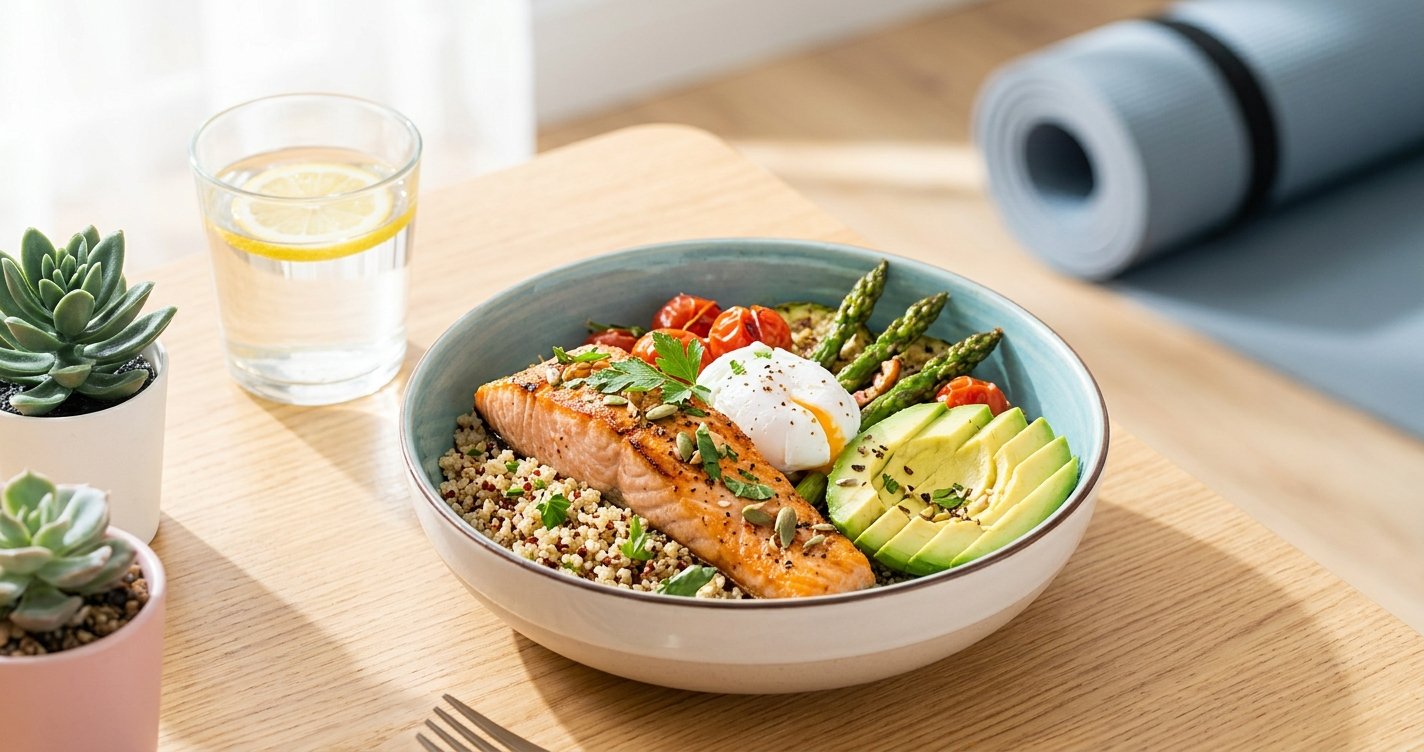
Have you ever felt like you're constantly battling the scales, trying every diet under the sun only to see the weight creep back on? You're not alone. The world of fat loss can feel overwhelming, filled with conflicting advice and temporary fixes. But what if there was one key nutritional player that could revolutionize your approach, making fat loss easier, more sustainable, and genuinely enjoyable? Enter protein – your ultimate ally in the journey to a leaner, stronger you.
This isn't about restrictive diets or complicated meal plans. It's about understanding the science-backed power of protein and how strategically incorporating more of it into your daily life can transform your body composition, boost your metabolism, and keep those pesky cravings at bay. Get ready to discover why protein isn't just for bodybuilders, but for anyone serious about achieving lasting fat loss. this excellent wellness product
Why Protein is Your Fat Loss MVP (Most Valuable Player): The Science Explained
When it comes to fat loss, not all calories are created equal. Protein stands out because of its unique physiological effects that directly support your goals. Let's break down the science:
- The Thermic Effect of Food (TEF): Imagine your body burning calories just to digest your food. That's TEF, and protein has the highest TEF of all macronutrients. Approximately 20-30% of protein calories are expended during digestion and absorption, compared to 5-10% for carbohydrates and 0-3% for fats. This means you're effectively burning more calories just by eating protein-rich foods!
- Unmatched Satiety: Protein is a champion at keeping you feeling full and satisfied. It slows down digestion, stabilizing blood sugar levels and sending powerful signals to your brain that you're nourished. This translates to fewer hunger pangs, reduced snacking, and naturally lower overall calorie intake without feeling deprived.
- Muscle Preservation: When you're in a calorie deficit to lose fat, your body can sometimes break down muscle tissue for energy. This is where protein becomes crucial. A higher protein intake helps protect your precious muscle mass, which is vital for maintaining a healthy metabolism. More muscle means your body burns more calories at rest, even when you're just sitting on the couch!
By harnessing these three powerful effects, protein sets the stage for more efficient and sustainable fat loss.
The Satiety Secret: How Protein Curbs Cravings and Overeating
One of the biggest hurdles in any fat loss journey is battling hunger and cravings. This is where protein truly shines as your secret weapon. Protein influences key hormones that regulate appetite and satiety, making you feel fuller for longer and naturally reducing your desire to overeat.
Research shows that protein consumption leads to increased levels of satiety hormones like PYY and GLP-1, while simultaneously decreasing levels of ghrelin, the 'hunger hormone'. This powerful hormonal cocktail signals to your brain that you're satisfied, making it easier to stick to your calorie goals without feeling like you're constantly fighting an uphill battle against your own biology. Imagine fewer afternoon slumps, less mindless snacking, and greater control over your portions – all thanks to protein!
Practical Tips for Feeling Fuller:
- Start your day with a high-protein breakfast.
- Include a lean protein source with every meal.
- Opt for protein-rich snacks between meals.
Fueling Your Muscles: Why Lean Mass Matters for Fat Loss
Many people focus solely on the number on the scale when trying to lose weight. However, true fat loss is about improving your body composition – reducing fat while preserving or even building muscle. This is where protein's role becomes indispensable.
Muscle tissue is metabolically active, meaning it burns more calories at rest compared to fat tissue. When you lose weight, especially without adequate protein intake and resistance training, you risk losing valuable muscle mass along with fat. This can lead to a slower metabolism, making it harder to keep the weight off in the long run (hello, yo-yo dieting!).
By ensuring sufficient protein intake, especially when combined with strength training, you send a clear signal to your body to hold onto its muscle. This not only keeps your metabolism humming but also contributes to a more toned, sculpted physique. Think of protein as the building blocks for your muscles, helping you maintain a strong, calorie-burning engine even as you shed fat.
How Much Protein Do You Really Need for Optimal Fat Loss?
The age-old question! While individual needs vary based on factors like age, activity level, and specific goals, general guidelines provide an excellent starting point for fat loss.
Most scientific literature suggests that for active individuals looking to lose fat while preserving muscle, a protein intake between 1.6 to 2.2 grams of protein per kilogram of body weight per day is optimal. For example, if you weigh 70 kg (about 154 lbs), aiming for 112-154 grams of protein daily would be a great target.
It's also beneficial to spread your protein intake throughout the day, rather than consuming it all in one large meal. Aim for 20-40 grams of protein per meal or snack to maximize muscle protein synthesis and satiety. Don't worry about the myth of 'too much protein' being bad for your kidneys in healthy individuals; current evidence overwhelmingly supports higher protein intakes for fat loss and overall health.
Delicious & Practical: Integrating More Protein into Your Daily Diet
Now that you understand the 'why,' let's get to the 'how'! Incorporating more protein doesn't have to be bland or boring. Here are some simple, tasty ways to boost your intake:
Breakfast Boosters:
- Greek Yogurt: A powerhouse of protein (15-20g per serving). Add berries and a sprinkle of nuts.
- Eggs: Versatile and affordable. Scrambled, boiled, or an omelet with veggies.
- Protein Smoothie: Blend protein powder with fruit, spinach, and milk/water.
Lunch & Dinner Heroes:
- Lean Meats: Chicken breast, turkey, lean beef, pork tenderloin.
- Fish: Salmon, tuna, cod, tilapia – excellent sources of protein and healthy fats.
- Legumes & Lentils: Chickpeas, black beans, lentils are great plant-based options.
- Tofu & Tempeh: Versatile plant-based proteins for stir-fries, salads, or grilling.
Smart Snacking:
- Cottage Cheese: High in casein protein, which digests slowly.
- Edamame: A quick and easy plant-based protein snack.
- Hard-boiled Eggs: Portable and satisfying.
- Protein Bars/Shakes: Convenient for on-the-go, but check sugar content.
- Handful of Almonds or Walnuts: Protein, healthy fats, and fiber.
Remember, variety is key. Explore different protein sources to keep your meals exciting and ensure you're getting a wide range of nutrients.
Beyond the Plate: Protein's Role in a Holistic Fat Loss Journey
While protein is undeniably a superstar for fat loss, it’s important to remember it’s part of a larger orchestra. Sustainable fat loss is a holistic endeavor that includes several interconnected elements:
- Prioritize Sleep: Adequate sleep (7-9 hours) helps regulate hunger hormones and improves insulin sensitivity, both crucial for fat loss.
- Manage Stress: Chronic stress can elevate cortisol, leading to increased fat storage, especially around the midsection. Find healthy coping mechanisms.
- Stay Hydrated: Drinking enough water supports metabolism, can reduce appetite, and keeps your body functioning optimally.
- Incorporate Fiber: Alongside protein, fiber-rich foods (fruits, vegetables, whole grains) enhance satiety and digestive health.
- Move Your Body: Regular physical activity, especially resistance training, complements protein intake by building and preserving muscle.
Think of protein as the foundational pillar, supporting and enhancing the effects of these other healthy habits. It’s not a magic bullet on its own, but it makes every other healthy choice you make more effective.
Embrace the Protein Advantage for Lasting Results
You now have the knowledge and tools to harness the incredible power of protein for sustainable fat loss. By understanding its scientific benefits – from boosting metabolism and preserving muscle to curbing cravings and enhancing satiety – you can shift your focus from restrictive dieting to smart, strategic eating.
Prioritizing protein isn't just about losing weight; it's about building a stronger, healthier, and more vibrant you. It's about feeling energized, satisfied, and in control of your journey. So, start small, make conscious choices to include more protein in every meal, and watch as your body transforms, not just for a season, but for good. You've got this!