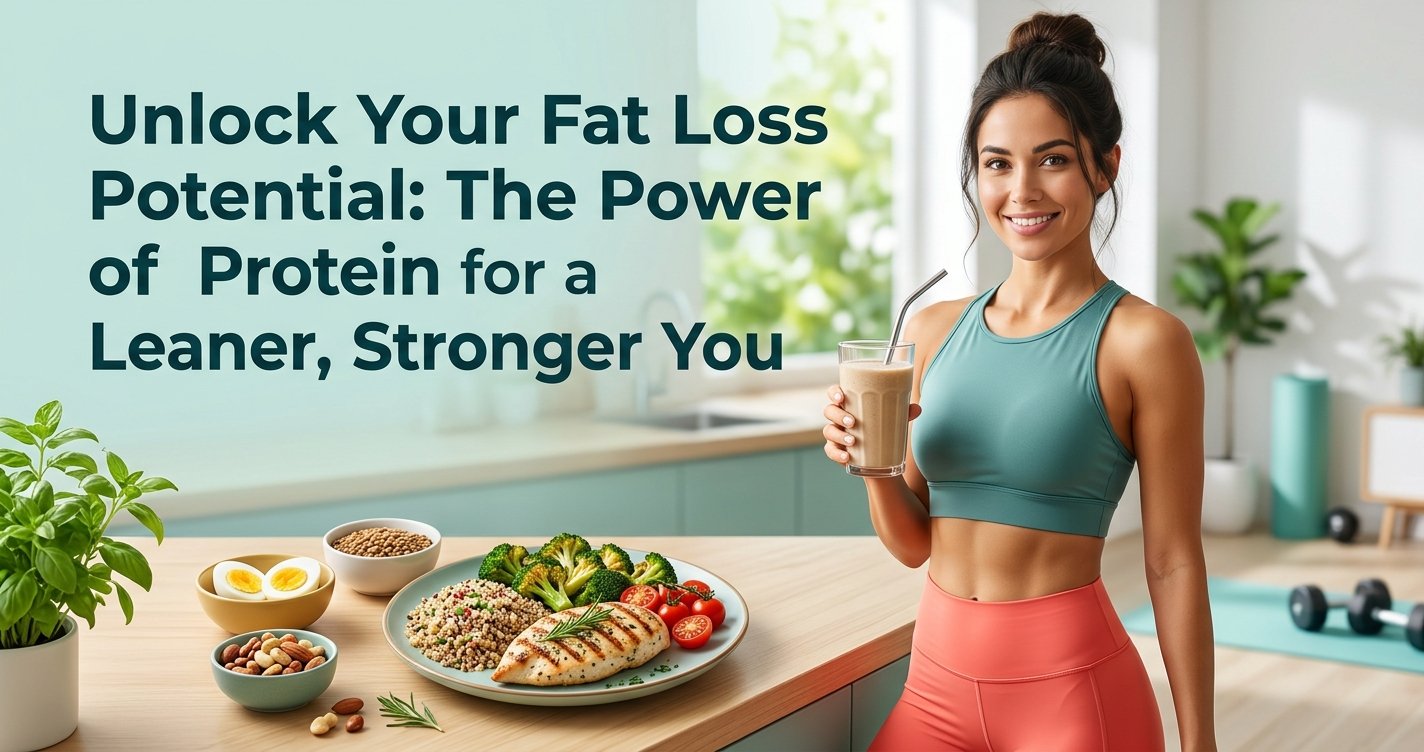
Tired of Crash Diets? Discover Protein's Secret to Sustainable Fat Loss!
For many of us, the journey to fat loss can feel like a constant battle against hunger, cravings, and frustrating plateaus. We’ve tried the restrictive diets, the grueling cardio, and the quick fixes, only to find ourselves back where we started. But what if there was a powerful, science-backed ally that could make your fat loss journey not only more effective but also more enjoyable and sustainable? Enter protein.
Often associated primarily with bodybuilders, protein is a true unsung hero in the world of fat loss. It’s not just about building big muscles; it’s about keeping you full, boosting your metabolism, and protecting the precious muscle you already have. In this friendly, evidence-based guide, we’ll dive deep into why protein is your ultimate partner for achieving a leaner, stronger, and healthier you – without the deprivation! this excellent wellness product
Why Protein is Your Secret Weapon for Sustainable Fat Loss
Let's break down the incredible ways protein works tirelessly to support your fat loss goals, making the process smoother and more effective.
The Satiety Superstar: Feeling Fuller, Longer
One of the biggest challenges in any fat loss journey is managing hunger and cravings. This is where protein shines! When you consume protein, it triggers the release of specific hormones in your gut, like peptide YY (PYY) and cholecystokinin (CCK), which signal to your brain that you’re full and satisfied. Simultaneously, it helps to suppress ghrelin, the “hunger hormone.”
Think of it this way: a high-protein meal keeps you feeling satiated for much longer than a meal of similar calories dominated by carbohydrates or fats. This means fewer mindless snacks, reduced temptation to overeat, and an easier time adhering to the calorie deficit essential for fat loss. It’s like having a natural appetite suppressant built into your diet!
Turbocharge Your Metabolism: The Thermic Effect of Food (TEF)
Did you know that your body burns calories just by digesting and processing the food you eat? This is known as the Thermic Effect of Food (TEF), and protein has the highest TEF of all macronutrients. Approximately 20-30% of the calories from protein are burned during its digestion, absorption, and storage.
To put that into perspective, carbohydrates have a TEF of 5-10%, and fats are even lower at 0-3%. This means that by simply increasing your protein intake, you’re subtly boosting your daily calorie expenditure without any extra effort. While it might not seem like a massive jump, these extra calories burned add up over time, contributing significantly to your overall fat loss efforts.
Preserve Your Powerhouse: Why Muscle Matters
When you’re in a calorie deficit – consuming fewer calories than you burn – your body will naturally turn to its stored energy for fuel. While we want it to tap into fat stores, there’s always a risk of losing valuable muscle mass too. This is problematic because muscle is metabolically active; it burns more calories at rest than fat does.
A higher protein intake, especially when combined with strength training, acts as a protective shield for your muscles. It provides the essential amino acids needed to repair and rebuild muscle tissue, ensuring that your body prioritizes burning fat for energy while preserving your lean mass. Maintaining or even building muscle during fat loss is crucial for keeping your metabolism revved up and achieving that toned, strong physique you’re working towards.
How Much Protein Do You Really Need for Fat Loss?
So, if protein is so fantastic, how much should you be aiming for? While individual needs can vary based on activity level, age, and current body composition, a general guideline for effective fat loss and muscle preservation is to consume between 1.6 to 2.2 grams of protein per kilogram of body weight per day.
- To calculate: If you know your weight in pounds, divide it by 2.2 to get kilograms, then multiply by your target range (e.g., 1.6 to 2.2).
- For example, a person weighing 150 lbs (approx. 68 kg) might aim for 109-150 grams of protein daily.
For highly active individuals, those with a significant amount of muscle mass, or those in a very aggressive calorie deficit, going towards the higher end of this range (or even slightly above) can be beneficial. Don't worry, this isn't about becoming a bodybuilder; it's about optimizing your body's ability to burn fat and maintain muscle efficiently.
Practical Strategies to Boost Your Protein Intake
Now that you know the “why” and the “how much,” let’s talk about the “how to.” Integrating more protein into your daily diet doesn't have to be complicated or bland. Here are some simple, delicious ways to ensure you're hitting your targets:
Embrace Whole, Lean Protein Sources
The foundation of a high-protein diet should always be whole, minimally processed foods. Stock your kitchen with:
- Lean Meats: Chicken breast, turkey, lean beef, pork loin.
- Fish & Seafood: Salmon, tuna, cod, shrimp, tilapia.
- Dairy: Greek yogurt, cottage cheese, skim milk, kefir.
- Eggs: A versatile and complete protein source.
- Legumes: Lentils, chickpeas, black beans (also great for fiber!).
- Plant-Based Proteins: Tofu, tempeh, edamame, seitan.
Aim to include a significant protein source in every single meal. This helps distribute your intake throughout the day, maximizing its benefits for satiety and muscle protein synthesis.
Distribute Protein Throughout Your Day
Instead of front-loading your protein at dinner, try to spread it out. Aim for roughly 20-40 grams of protein at each main meal (breakfast, lunch, and dinner). This consistent supply helps keep you feeling full and provides a steady stream of amino acids to your muscles, supporting their repair and growth.
Smart Snacking for Success
If you find yourself getting hungry between meals, reach for protein-rich snacks instead of sugary or processed options. Ideas include:
- A cup of Greek yogurt (plain, with a few berries)
- Hard-boiled eggs
- A handful of almonds or walnuts (in moderation due to calorie density)
- Cottage cheese with sliced veggies
- A small serving of jerky (check for low sugar)
- Protein smoothie (with water or unsweetened almond milk)
When to Consider Protein Supplements
While a “food first” approach is always recommended, protein supplements can be incredibly helpful for convenience, especially when you're busy or struggling to hit your protein goals through whole foods alone. Options include:
- Whey Protein: Fast-digesting, great post-workout.
- Casein Protein: Slow-digesting, good before bed.
- Plant-Based Proteins: Pea, rice, hemp, soy protein for those avoiding animal products.
Remember, supplements are designed to “supplement” your diet, not replace nutrient-dense meals.
Debunking Common Protein Myths
Despite its benefits, protein often gets a bad rap due to persistent myths. Let's clear the air with some evidence-based facts.
“Too Much Protein Harms Your Kidneys”
This is a common concern, but for healthy individuals with normally functioning kidneys, research consistently shows that a high-protein diet (even up to 3.4 g/kg body weight) does not cause kidney damage. The kidneys are highly efficient organs designed to filter waste products, including those from protein metabolism. However, if you have pre-existing kidney disease, it's crucial to consult your doctor or a registered dietitian before significantly increasing your protein intake.
“Protein Makes Women Bulky”
Many women worry that increasing protein will lead to an undesirable “bulky” physique. This is largely a misconception. Women simply don't have the same levels of testosterone as men, which is the primary hormone responsible for significant muscle hypertrophy (bulk). Eating more protein will help you build and preserve lean muscle, which contributes to a toned, strong, and athletic look, not a bulky one. Embrace strength; it's empowering!
Beyond Protein: A Holistic Approach to Fat Loss
While protein is an incredibly powerful tool in your fat loss arsenal, it’s important to remember that it’s part of a larger picture. For truly sustainable and healthy fat loss, you’ll want to integrate it into a holistic strategy:
- Calorie Deficit: Ultimately, you need to consume fewer calories than you burn. Protein helps make this deficit more manageable.
- Strength Training: Crucial for building and maintaining muscle mass, which works synergistically with protein.
- Adequate Sleep: Poor sleep can disrupt hormones that regulate hunger and fat storage.
- Stress Management: Chronic stress can lead to increased cortisol, which promotes fat storage.
- Hydration: Drinking enough water supports metabolism and can aid in satiety.
- Fiber & Micronutrients: Don't forget your fruits, vegetables, and whole grains for overall health and digestive well-being.
- Healthy Fats & Complex Carbs: These provide essential nutrients and energy for optimal bodily functions.
Your Journey to a Leaner, Stronger You Starts Now!
Embracing protein as a cornerstone of your diet is a game-changer for fat loss. It empowers you to feel full, boost your metabolism, and protect your precious muscle, paving the way for sustainable results. It's not about deprivation; it's about smart, evidence-based nutrition that supports your body and your goals. Start incorporating these protein-rich habits today, and watch as you transform not just your body composition, but also your energy levels and overall well-being. You've got this!