The Power of Protein for Fat Loss: Your Ultimate Guide to a Leaner, Healthier You
Are you on a journey to shed unwanted body fat, but feel like you're constantly battling hunger, sluggish metabolism, or the dreaded muscle loss that often accompanies dieting? You're not alone! The world of fat loss can feel overwhelming, filled with fads and conflicting advice. But what if there was one powerful macronutrient that could significantly boost your efforts, helping you feel fuller, preserve muscle, and even burn more calories? Enter protein – your unsung hero in the quest for sustainable fat loss.
Often associated primarily with bodybuilders and athletes, protein is a vital component for everyone, especially those aiming to reduce body fat. It's not just about building big muscles; it's about optimizing your body's functions for efficient fat burning and overall well-being. In this comprehensive guide, we'll dive deep into the science-backed reasons why protein is your best friend for fat loss, how much you truly need, and practical ways to effortlessly integrate more of it into your daily life. Get ready to transform your approach to nutrition and unlock a leaner, healthier you! this excellent wellness product
Why Protein is Your Best Friend in Fat Loss (Beyond Just Muscles)
While protein is undeniably crucial for muscle repair and growth, its benefits for fat loss extend far beyond the gym. When you're in a calorie deficit – eating fewer calories than your body burns – your body needs to tap into its energy stores. The goal is to make it primarily tap into fat stores, not muscle. Protein plays a pivotal role in ensuring this happens effectively, thanks to three key mechanisms:
- Satiety & Hunger Control: Protein is renowned for its ability to keep you feeling full and satisfied for longer. Compared to carbohydrates and fats, protein has a superior impact on satiety hormones, helping to curb cravings and reduce overall calorie intake naturally.
- Thermic Effect of Food (TEF): Your body expends energy to digest, absorb, and metabolize the food you eat. This is known as the Thermic Effect of Food (TEF). Protein has a significantly higher TEF than carbohydrates or fats, meaning you burn more calories simply by eating protein-rich foods.
- Muscle Preservation: When you lose weight, there's always a risk of losing precious muscle mass along with fat. Muscle is metabolically active, meaning it burns more calories at rest than fat does. Adequate protein intake is critical for preserving muscle mass during a calorie deficit, thereby maintaining a higher resting metabolism.
The Satiety Secret: How Protein Curbs Cravings and Overeating
One of the biggest hurdles in any fat loss journey is managing hunger and resisting the urge to snack. This is where protein truly shines. Studies consistently show that higher protein diets lead to greater feelings of fullness and reduced appetite. How does it work its magic?
When you consume protein, your body releases specific hormones like GLP-1 and PYY, which signal satiety to your brain. Simultaneously, it helps suppress ghrelin, the 'hunger hormone'. This powerful hormonal interplay means you’re less likely to experience those nagging hunger pangs, reducing the likelihood of overeating or reaching for unhealthy snacks between meals. Imagine going through your day feeling genuinely satisfied after your meals, making it easier to stick to your calorie goals without feeling deprived – that's the protein advantage!
Fueling Your Metabolism: Protein's Role in Muscle & TEF
Your metabolism is essentially the engine that drives your body, burning calories even when you're at rest. The more efficient your engine, the easier fat loss becomes. Muscle mass is a significant contributor to your resting metabolic rate (RMR). For every pound of muscle you carry, your body burns more calories throughout the day, even while you're sleeping or sitting.
During a calorie deficit, your body might try to break down muscle for energy if it's not getting enough protein. This is counterproductive for fat loss, as losing muscle slows down your metabolism. By consuming sufficient protein, you provide your body with the necessary building blocks to repair and maintain muscle tissue, ensuring your metabolic engine stays revved up. Coupled with protein's high TEF – burning up to 20-30% of its own calories during digestion, compared to 5-10% for carbs and 0-3% for fats – you're essentially getting a metabolic boost with every protein-rich meal.
How Much Protein Do You Really Need for Optimal Fat Loss?
The general recommended dietary allowance (RDA) for protein is 0.8 grams per kilogram of body weight (g/kg). However, for individuals actively pursuing fat loss, especially while maintaining or building muscle, this amount is often insufficient. Research suggests a higher intake is beneficial.
- For Fat Loss & Muscle Preservation: Aim for approximately 1.6 to 2.2 grams of protein per kilogram (or 0.7 to 1 gram per pound) of your target body weight. For example, if your target weight is 70 kg, you’d aim for 112-154 grams of protein daily.
- Distribution Matters: Instead of consuming all your protein in one sitting, aim to distribute your intake evenly throughout the day. Try to get 20-40 grams of protein at each main meal (breakfast, lunch, dinner) and potentially in snacks. This consistent supply helps maximize muscle protein synthesis and satiety.
Remember, these are general guidelines. Factors like your activity level, current body composition, and specific goals can influence your individual needs. Consulting with a registered dietitian or nutritionist can provide personalized recommendations.
Practical Protein Power-Ups: Incorporating Protein into Your Diet
Adding more protein to your diet doesn't have to be complicated or bland. There's a vast array of delicious and versatile protein sources available. Here are some ideas to help you power up your meals:
Excellent Protein Sources:
- Lean Meats & Poultry: Chicken breast, turkey, lean beef, pork tenderloin.
- Fish & Seafood: Salmon, tuna, cod, shrimp, sardines.
- Eggs: A complete protein, versatile and affordable.
- Dairy: Greek yogurt, cottage cheese, milk, whey protein powder.
- Legumes: Lentils, chickpeas, black beans, kidney beans (also great fiber!).
- Plant-Based Alternatives: Tofu, tempeh, edamame, seitan, quinoa.
- Nuts & Seeds: Almonds, peanuts, chia seeds, flax seeds (in moderation due to calorie density).
Easy Ways to Boost Protein at Each Meal:
- Breakfast: Scrambled eggs with spinach, Greek yogurt with berries and a sprinkle of nuts, protein smoothie, cottage cheese with fruit.
- Lunch: Chicken or tuna salad (with Greek yogurt instead of mayo), lentil soup, leftover lean meat with a big salad, chickpea wrap.
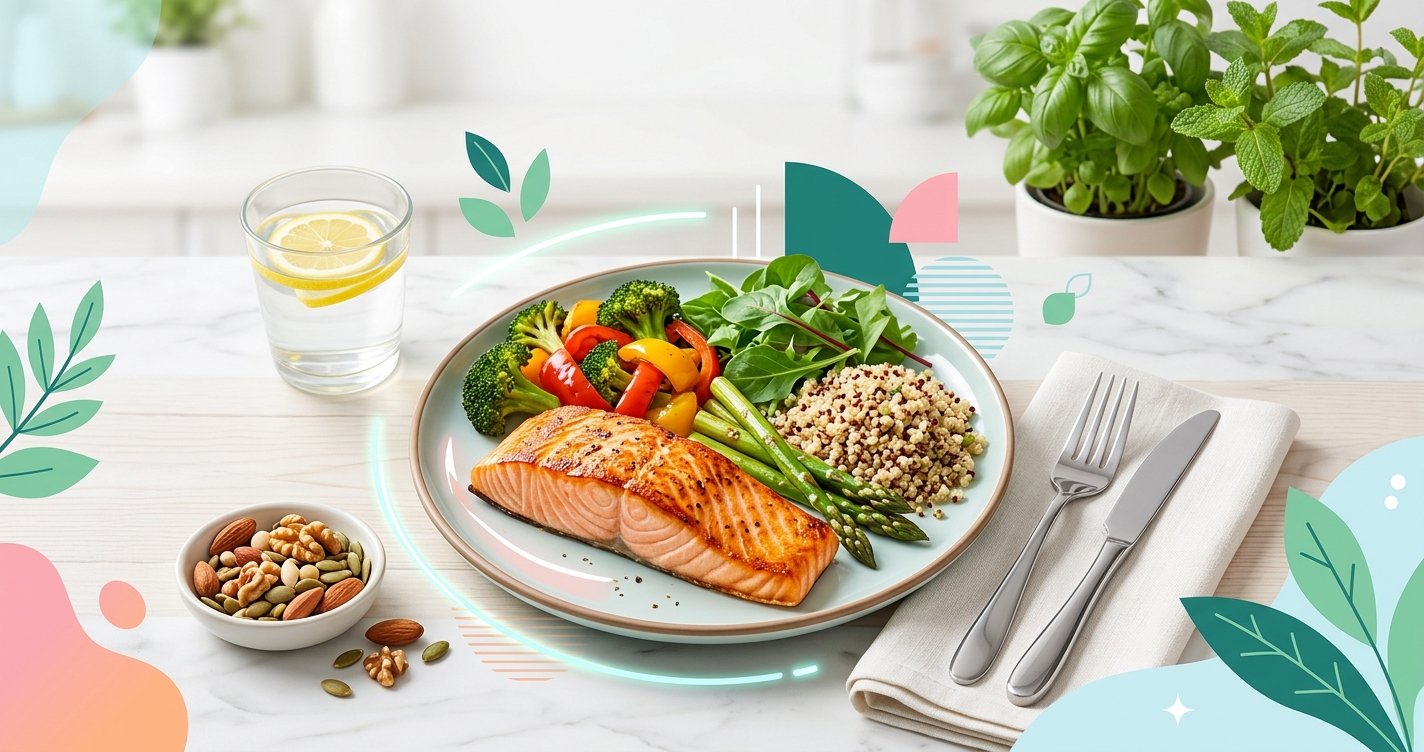
- Dinner: Baked salmon with roasted vegetables, lean stir-fry with tofu or chicken, turkey chili, steak with a side salad.
- Snacks: Hard-boiled eggs, a handful of almonds, protein bar (choose wisely!), a glass of milk, a small portion of cottage cheese.
Dispelling Protein Myths & Common Concerns
Despite its benefits, protein often falls victim to misconceptions. Let's clear up some common concerns:
- "Too much protein is bad for your kidneys": For healthy individuals with no pre-existing kidney conditions, a high-protein diet within the recommended ranges for fat loss is generally safe and does not cause kidney damage. Always ensure adequate hydration when increasing protein intake.
- "Protein makes you bulky": Consuming protein, even in higher amounts, will not automatically make you bulky, especially for women. Building significant muscle mass requires intense resistance training, a calorie surplus, and specific hormonal profiles. Protein supports lean muscle, which looks toned, not bulky.
- "All protein is created equal": While all protein contains amino acids, the quality varies. Animal proteins are considered 'complete' as they contain all essential amino acids. Plant-based proteins can be combined throughout the day to ensure you get all essential amino acids. Focus on a variety of sources.
Embark on Your Protein-Powered Fat Loss Journey!
Incorporating adequate protein into your diet is one of the most effective, sustainable, and evidence-based strategies for successful fat loss. By harnessing its power to enhance satiety, preserve muscle, and boost your metabolism, you're not just restricting calories; you're optimizing your body's ability to burn fat efficiently.
Remember, fat loss is a journey, not a destination. It's about making sustainable lifestyle changes that you can maintain long-term. While protein is a crucial piece of the puzzle, don't forget the importance of a balanced diet rich in fruits, vegetables, and whole grains, along with regular physical activity, adequate sleep, and stress management. Embrace the power of protein, listen to your body, and enjoy the incredible transformation towards a leaner, stronger, and healthier you!