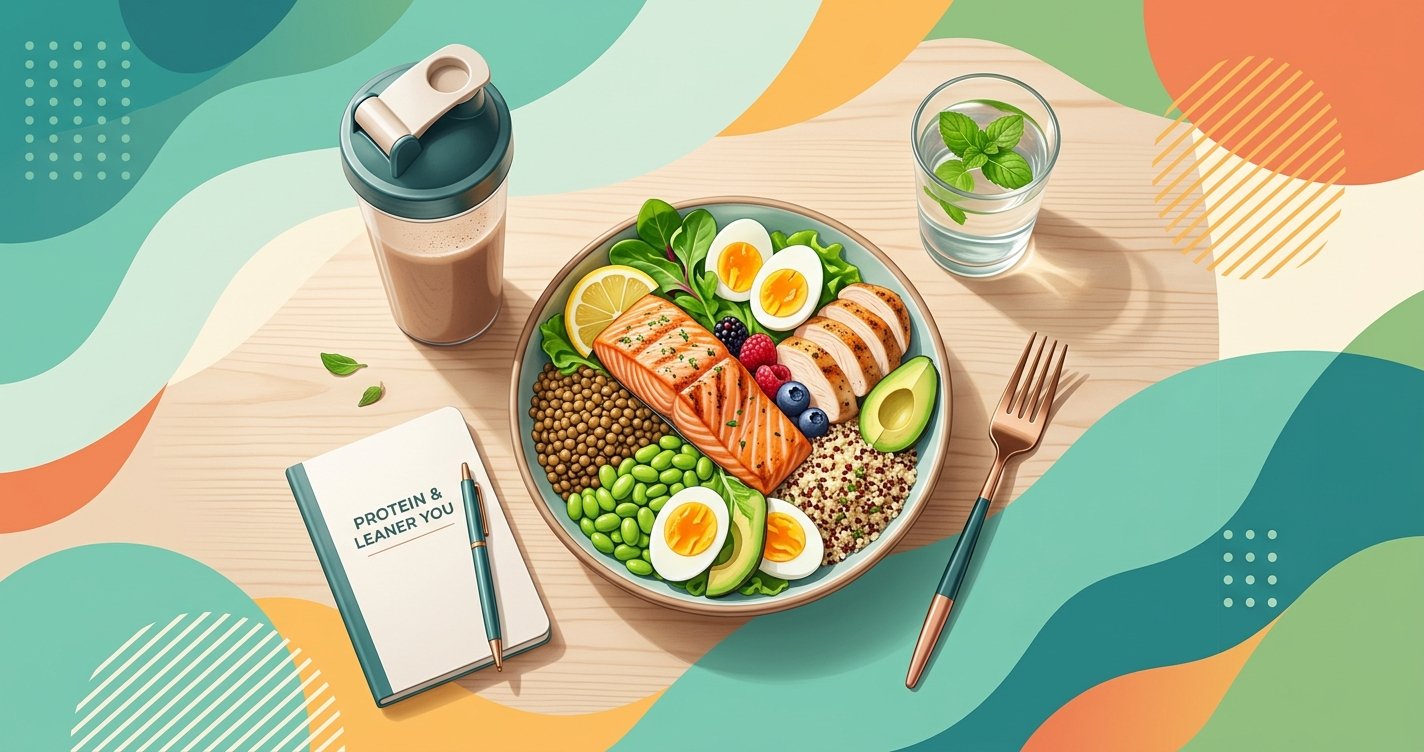
Are you on a journey to shed stubborn body fat and feel your best? You’ve probably heard about calorie deficits, exercise, and healthy eating, but there’s one macronutrient that often doesn't get the superstar recognition it deserves in the fat loss world: protein. While carbohydrates and fats play their roles, protein is your undeniable MVP (Most Valuable Player) for sustainable, effective fat loss.
It's not just for bodybuilders or athletes; protein is a powerful ally for anyone looking to optimize their body composition, preserve muscle, and feel satisfied while losing fat. In this comprehensive guide, we'll dive deep into why protein is so crucial for fat loss, how much you truly need, and practical, evidence-based strategies to seamlessly incorporate more of it into your daily diet. this excellent wellness product
Why Protein is Your Fat Loss MVP (Most Valuable Player)
Let's break down the science-backed reasons why prioritizing protein can make all the difference in your fat loss journey.
1. The Satiety Superstar: Feeling Full, Longer
One of the biggest challenges in a calorie deficit is managing hunger and cravings. This is where protein shines! Protein has a remarkable ability to keep you feeling full and satisfied for longer periods compared to carbohydrates or fats. It impacts several hunger-regulating hormones, such as ghrelin (the 'hunger hormone') and peptide YY (PYY, which promotes satiety).
When you consume adequate protein, your brain receives signals that you're fed, reducing the urge to snack unnecessarily between meals. This isn't just anecdotal; numerous studies have shown that higher protein diets lead to reduced caloric intake because people simply feel less hungry and eat less naturally. Imagine effortlessly sticking to your calorie goals without constant battles against cravings!
2. The Thermic Effect of Food (TEF): Burn More Calories Just by Eating!
Did you know that your body expends energy just to digest, absorb, and metabolize the food you eat? This is known as the Thermic Effect of Food (TEF), and it varies significantly between macronutrients. Protein has the highest TEF of all three macros.
- Protein: 20-30% of its caloric value is used for digestion.
- Carbohydrates: 5-10% of its caloric value.
- Fats: 0-3% of its caloric value.
What does this mean for fat loss? If you eat 100 calories of protein, your body uses 20-30 of those calories just to process it, leaving you with a net of 70-80 calories. Compare that to fat, where almost all 100 calories are available to the body. While the TEF boost from protein might seem small on a meal-to-meal basis, it adds up over the course of a day and weeks, contributing to a slightly higher overall calorie expenditure, making your fat loss efforts more efficient.
3. Muscle Preservation: Protecting Your Metabolism
When you're in a calorie deficit, your body doesn't just lose fat; it can also lose valuable muscle mass. This is problematic because muscle tissue is metabolically active, meaning it burns more calories at rest than fat tissue. Losing muscle can slow down your metabolism, making it harder to lose fat in the long run and more likely to regain weight.
A high-protein intake is crucial for preserving lean muscle mass during fat loss. Protein provides the essential amino acids your body needs to repair and build muscle tissue. By consuming enough protein, especially when combined with resistance training, you signal to your body to hold onto its muscle, ensuring that a greater percentage of your weight loss comes from fat, not muscle. This helps maintain a robust metabolism, which is key for sustainable, long-term success.
How Much Protein Do You Really Need for Fat Loss?
The exact amount of protein needed can vary based on individual factors like age, activity level, and current body composition. However, for active individuals aiming for fat loss, general recommendations are often higher than the standard dietary guidelines.
General Guidelines & Individual Needs
Most research suggests that for optimal muscle preservation and satiety during a calorie deficit, an intake of 1.6 to 2.2 grams of protein per kilogram of body weight (or approximately 0.7 to 1 gram per pound of body weight) is ideal. For example:
- If you weigh 70 kg (about 154 lbs), aim for 112-154 grams of protein per day.
- If you weigh 180 lbs, aim for 126-180 grams of protein per day.
It's important to distribute this intake throughout the day, rather than consuming it all in one sitting, to maximize muscle protein synthesis and satiety. Aim for 20-40 grams of protein per meal, depending on your total daily target.
Calculating Your Target
To calculate your personalized protein target:
- Weigh yourself: Let's say you weigh 160 lbs.
- Choose your target range: For fat loss, let's aim for 0.8g/lb.
- Multiply: 160 lbs * 0.8g/lb = 128 grams of protein per day.
This provides a solid starting point. Listen to your body and adjust as needed, but remember consistency is key!
Making Protein Work for You: Practical Strategies & Food Sources
Knowing why protein is important is one thing, but knowing how to incorporate it into your daily life is where the real magic happens. Here are some actionable strategies and excellent food sources.
Prioritize Protein at Every Meal
Instead of thinking of protein as an add-on, make it the cornerstone of your meals. Build your plate around a lean protein source, then add vegetables, healthy fats, and complex carbohydrates.
- Breakfast: Instead of just toast, opt for scrambled eggs, Greek yogurt with berries, or a protein smoothie.
- Lunch & Dinner: Ensure a generous portion of protein (e.g., a palm-sized portion or more) is present.
Smart Protein Choices: Lean & Diverse
Focus on whole, minimally processed protein sources. Variety is important for obtaining a full spectrum of amino acids and other essential nutrients.
- Lean Animal Sources: Chicken breast, turkey, lean beef (sirloin, round), fish (salmon, cod, tuna, tilapia), eggs, Greek yogurt, cottage cheese, whey protein powder.
- Plant-Based Powerhouses: Lentils, black beans, chickpeas, tofu, tempeh, edamame, quinoa, seitan, pea protein powder, hemp protein powder, spirulina.
Don't be afraid to mix and match! A meal with chicken and a side of lentils offers diverse nutrients.
Meal Planning & Prep for Protein Success
Preparation is your best friend. Planning your meals and snacks ahead of time ensures you always have high-protein options readily available, preventing impulse choices that might derail your progress.
- Batch Cook: Cook a large batch of chicken breast, ground turkey, or lentils at the beginning of the week.
- Pre-Portion: Divide cooked protein into individual servings for quick grab-and-go meals.
- Smart Snacking: Keep protein-rich snacks on hand at home and work.
Don't Forget Protein-Rich Snacks
Snacks are a great opportunity to boost your daily protein intake and stave off hunger between meals.
- Hard-boiled eggs
- Greek yogurt (plain, unsweetened)
- Cottage cheese
- A handful of almonds or walnuts (in moderation, as they are calorie-dense)
- Protein shake
- Turkey or beef jerky (check for low sugar options)
- Cheese sticks
Common Protein Myths Debunked
Let's address a couple of common misconceptions that might be holding you back from embracing protein.
Myth 1: "Too much protein is bad for your kidneys."
This is a widely circulated myth that often causes unnecessary concern. For healthy individuals with normal kidney function, there is extensive evidence showing that high protein intake (even up to 2.2g/kg/day or more) is perfectly safe and does not cause kidney damage. The confusion often arises because people with pre-existing kidney disease may need to restrict protein. If you have any kidney issues, always consult your doctor or a registered dietitian before making significant dietary changes. But for the vast majority, this is a non-issue.
Myth 2: "Protein powder is only for bodybuilders."
While protein powders are popular among athletes, they are simply a convenient and efficient way to supplement your protein intake, especially if you struggle to meet your daily goals through whole foods alone. They are not magic pills, but they can be incredibly helpful for busy individuals, those with dietary restrictions (e.g., plant-based protein powders), or anyone looking for a quick post-workout recovery boost. Think of them as a food supplement, not a replacement for a balanced diet.
Beyond Protein: A Holistic Approach to Fat Loss
While protein is a powerful tool, it's essential to remember that it's one piece of a larger puzzle. For truly sustainable fat loss and overall health, consider these other crucial factors:
- Calorie Deficit: Ultimately, you need to consume fewer calories than you burn to lose fat. Protein helps you achieve this deficit more comfortably.
- Strength Training: Lifting weights is paramount for building and preserving muscle, which boosts your metabolism and improves body composition.
- Adequate Sleep: Poor sleep can disrupt hormones that regulate hunger and fat storage, making fat loss significantly harder.
- Stress Management: Chronic stress can elevate cortisol, a hormone linked to increased fat storage, particularly around the midsection.
- Hydration: Drinking enough water supports metabolism, satiety, and overall bodily functions.
- Fiber & Healthy Fats: Don't forget these! Fiber adds bulk and satiety, while healthy fats are crucial for hormone production and nutrient absorption.
Conclusion: Embrace the Power of Protein for a Leaner, Healthier You
Protein is far more than just a muscle builder; it's a critical component of any successful and sustainable fat loss strategy. By harnessing its power to enhance satiety, boost your metabolism through TEF, and preserve precious muscle mass, you're setting yourself up for a smoother, more effective journey towards your goals. Remember, consistency and a holistic approach yield the best results.
Start today by consciously adding a quality protein source to every meal and snack. Experiment with different options, plan your meals, and watch as your body transforms, not just in terms of weight, but in strength, energy, and overall well-being. Your leaner, healthier self is waiting!