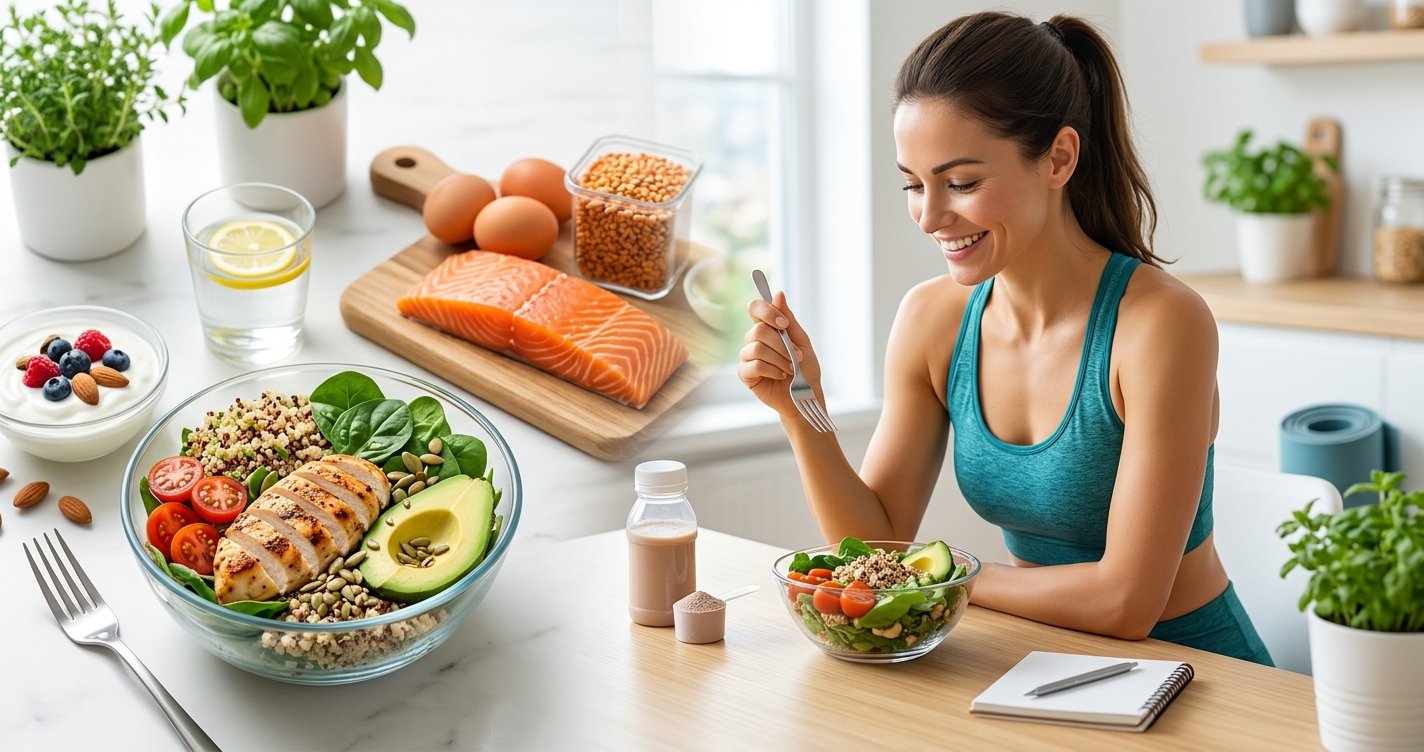
Unlock Your Fat Loss Potential: The Science-Backed Power of Protein
Are you navigating the often-confusing world of fat loss, trying countless diets and workouts, only to feel frustrated by slow progress or a constant battle with hunger? You’re not alone. Many people focus solely on cutting calories or doing endless cardio, overlooking one of the most powerful and scientifically proven allies in their fat loss journey: protein.
Protein isn't just for bodybuilders; it's a fundamental macronutrient crucial for anyone looking to shed excess body fat, maintain muscle, and feel their best. In this comprehensive guide, we'll dive deep into the evidence-based reasons why prioritizing protein can be your secret weapon for sustainable fat loss. We’ll explore how it impacts your hunger, metabolism, and muscle mass, provide clear guidance on how much you need, and share practical tips to effortlessly incorporate more protein into your daily life. Get ready to transform your approach to fat loss, one delicious, protein-packed meal at a time! this excellent wellness product
Why Protein is Your Secret Weapon for Fat Loss (The Science-Backed Benefits)
Let's cut to the chase: protein offers a trifecta of benefits that directly contribute to effective and sustainable fat loss. These aren't just theories; they're backed by solid scientific research.
1. The Satiety Factor: Feeling Fuller, Longer
One of the biggest challenges in fat loss is managing hunger. When you're constantly battling cravings and an empty stomach, sticking to a calorie deficit becomes incredibly difficult. This is where protein shines!
- Hormonal Impact: Protein has a profound effect on your hunger hormones. It helps suppress ghrelin, the 'hunger hormone,' and boosts the production of peptide YY (PYY) and glucagon-like peptide-1 (GLP-1), which are 'satiety hormones' that signal fullness to your brain.
- Reduced Snacking: Studies consistently show that high-protein meals lead to greater satiety compared to meals with less protein but similar calorie counts. This means you'll feel satisfied for longer, reducing the urge to snack between meals and making it easier to naturally consume fewer calories without feeling deprived.
Imagine going through your day feeling content and in control of your appetite, rather than constantly thinking about your next meal. That's the power of protein!
2. The Thermic Effect of Food (TEF): Burning More Calories Just by Eating
Did you know your body burns calories just to digest, absorb, and metabolize the food you eat? This phenomenon is called the Thermic Effect of Food (TEF), and protein has the highest TEF of all macronutrients.
- Metabolic Boost: Approximately 20-30% of the calories from protein are expended during digestion. Compare this to carbohydrates (5-10%) and fats (0-3%). This means if you eat 100 calories of protein, your body uses 20-30 of those calories just to process it, leaving fewer net calories to be stored.
- Slight but Significant: While the TEF might seem like a small percentage, over the course of a day, week, or month, this 'metabolic boost' from a higher protein intake can contribute to a greater overall calorie expenditure, helping you reach your fat loss goals more efficiently. It's like a mini-workout for your digestive system!
3. Muscle Preservation: Protecting Your Metabolism
When you're in a calorie deficit, your body doesn't just burn fat; it can also start breaking down muscle tissue for energy. This is problematic because muscle is metabolically active, meaning it burns more calories at rest than fat tissue does.
- Maintaining Metabolic Rate: Losing muscle mass can slow down your resting metabolic rate (RMR), making it harder to lose weight and easier to regain it in the future. A slower metabolism is the last thing you want on a fat loss journey.
- Essential for Repair & Growth: Protein provides the amino acids, the building blocks your body needs to repair and build muscle tissue. By consuming adequate protein, especially in conjunction with strength training, you signal to your body to preserve precious muscle mass while primarily tapping into fat stores for energy. This ensures that the weight you lose is predominantly fat, not muscle.
Protecting your muscle during fat loss is key to achieving a lean, toned physique and maintaining a healthy metabolism long-term.
How Much Protein Do You Really Need for Fat Loss? (The Evidence-Based Approach)
So, you're convinced protein is important – but how much is enough? General dietary guidelines often suggest a minimum, but for optimal fat loss and muscle preservation, you'll want to aim higher.
- General Recommendation for Fat Loss: Most research suggests that an intake of 1.6 to 2.2 grams of protein per kilogram of body weight (or 0.7 to 1 gram per pound of body weight) per day is optimal for fat loss, especially when combined with a calorie deficit and strength training.
- Example: For someone weighing 70 kg (approximately 154 lbs), this would translate to roughly 112-154 grams of protein per day.
- Considerations: Your activity level, age, and current body composition goals might influence your specific needs. Highly active individuals or those aiming for significant body recomposition might benefit from the higher end of this range.
- Dispelling Myths: Don't worry about 'too much protein' harming your kidneys if you're a healthy individual. Current scientific consensus indicates that high-protein diets are safe for people with healthy kidney function. Always consult with a healthcare professional if you have pre-existing kidney conditions.
Distributing your protein intake throughout the day (e.g., 20-40 grams per meal) can also help maximize its benefits for satiety and muscle protein synthesis.
Fueling Up: Top Protein Sources to Include in Your Diet
Now that you know how much protein you need, let's talk about where to find it! A variety of whole, unprocessed foods are your best bet.
Animal-Based Proteins:
- Lean Meats: Chicken breast, turkey breast, lean cuts of beef (sirloin, round), pork loin. These are excellent sources of complete protein with minimal fat.
- Fish: Salmon (rich in omega-3s!), tuna, cod, tilapia, sardines. Fish offers high-quality protein and often healthy fats.
- Eggs: A powerhouse of nutrition, eggs provide all essential amino acids. Don't skip the yolk – it's packed with vitamins and minerals!
- Dairy: Greek yogurt, cottage cheese, milk, kefir. These are not only high in protein but also provide calcium and probiotics (especially Greek yogurt and kefir).
Plant-Based Proteins:
- Legumes: Lentils, black beans, chickpeas, kidney beans. Versatile and fiber-rich!
- Tofu & Tempeh: Soy-based products that are fantastic meat alternatives, absorbing flavors beautifully.
- Edamame: Great as a snack or in salads.
- Quinoa: A complete protein grain, meaning it contains all nine essential amino acids.
- Nuts & Seeds: Almonds, peanuts, chia seeds, flax seeds, pumpkin seeds. While higher in fat, they offer a good protein boost.
- Protein Powders: Whey, casein, soy, pea, rice protein. These can be convenient supplements, especially for busy individuals or to quickly boost protein in smoothies and shakes.
Aim for a balanced mix to ensure you're getting a wide array of nutrients.
Practical Strategies to Boost Your Protein Intake (Making It Easy & Delicious)
Increasing your protein doesn't have to be complicated or boring. Here are some simple, actionable tips to integrate more protein into your daily routine:
- Start Your Day Strong: Make your breakfast protein-rich. Think eggs, Greek yogurt with berries, cottage cheese, or a protein smoothie. This sets you up for satiety throughout the morning.
- Protein at Every Meal: Aim to include a source of protein in every main meal. Instead of just pasta, add chicken or lentils. Instead of plain salad, add grilled fish or chickpeas.
- Smart Snacking: Choose protein-packed snacks like hard-boiled eggs, a handful of almonds, string cheese, or Greek yogurt instead of sugary treats or chips.
- Swap It Up: Replace refined grains with protein-rich alternatives where possible. For example, use whole-wheat pasta instead of white, or add quinoa to your salads.
- Meal Prep for Success: Cook a batch of lean protein (chicken breast, ground turkey, lentils) at the beginning of the week to easily add to meals.
- Read Labels: Get into the habit of checking nutrition labels. You might be surprised at how much protein (or lack thereof) is in your favorite foods.
- Hydration Matters: While not a protein source, staying well-hydrated helps with satiety and overall metabolic function, complementing your protein intake.
Remember, consistency is key. Small, sustainable changes add up over time!
Beyond Protein: The Holistic Approach to Sustainable Fat Loss
While protein is a superstar for fat loss, it’s important to remember that it's one powerful tool in your toolkit, not the only one. For truly sustainable and healthy fat loss, consider these other crucial elements:
- Calorie Deficit: At its core, fat loss still requires consuming fewer calories than you burn. Protein makes achieving and maintaining this deficit much easier.
- Strength Training: Lifting weights is paramount for preserving and building muscle mass, which works synergistically with protein intake to boost your metabolism and improve body composition.
- Adequate Sleep: Poor sleep can disrupt hunger hormones, increase cravings, and impair recovery, making fat loss significantly harder. Aim for 7-9 hours of quality sleep per night.
- Stress Management: Chronic stress can elevate cortisol levels, potentially leading to increased fat storage, especially around the midsection. Find healthy ways to manage stress, like meditation, yoga, or spending time in nature.
- Hydration: Drinking enough water supports all bodily functions, helps with satiety, and can even slightly boost metabolism.
- Mindful Eating: Paying attention to your hunger and fullness cues, eating slowly, and savoring your meals can prevent overeating and improve digestion.
By integrating protein with these holistic practices, you create a powerful, sustainable strategy for not just losing fat, but transforming your overall health and well-being.
Conclusion: Embrace the Power of Protein for a Leaner, Healthier You!
The journey to sustainable fat loss doesn't have to be a constant battle against hunger or a slow, frustrating process. By understanding and harnessing the incredible power of protein, you can revolutionize your approach.
Protein helps you feel fuller for longer, gives your metabolism a gentle boost, and crucially, protects your hard-earned muscle mass during a calorie deficit. This means you'll not only lose fat more effectively but also build a stronger, leaner, and more metabolically active body in the process.
So, stop seeing protein as just a bodybuilding supplement and start recognizing it as the foundational nutrient it is for anyone seeking to optimize their body composition and health. Begin by making conscious choices to include a good source of protein in every meal, experiment with new recipes, and watch as your fat loss journey becomes more manageable, more satisfying, and ultimately, more successful. Your body will thank you!