Unlock Sustainable Fat Loss: The Undeniable Power of Protein
When it comes to fat loss, the internet is flooded with advice, diets, and quick fixes. But amidst the noise, one nutritional superstar consistently shines through with robust scientific backing: protein. It's not just for bodybuilders; protein is your secret weapon for shedding unwanted fat, building a leaner physique, and maintaining those results long-term. Let's dive deep into why protein is so crucial for sustainable fat loss and how you can harness its power.
Why Protein is Your Fat Loss MVP (Most Valuable Player)
Protein isn't just a building block for muscles; it plays multiple pivotal roles in your fat loss journey. Understanding these mechanisms can empower you to make smarter food choices. this excellent wellness product
Satiety: Feeling Fuller, Longer
One of the biggest challenges in fat loss is managing hunger. Cravings and persistent hunger pangs can derail even the most determined efforts. This is where protein truly shines. Research consistently shows that protein is the most satiating macronutrient. Eating enough protein helps you feel full and satisfied for longer periods compared to carbohydrates or fats. This natural appetite suppression means you're less likely to overeat, snack on unhealthy foods, or feel deprived, making calorie deficit much more manageable and sustainable.
The Thermic Effect: Burning More Calories Just by Eating
Did you know that your body burns calories just to digest, absorb, and process the food you eat? This is known as the Thermic Effect of Food (TEF). And guess what? Protein has a significantly higher TEF than carbs or fats. Roughly 20-30% of the calories you consume from protein are used up during its digestion, compared to 5-10% for carbs and 0-3% for fats. This means that by prioritizing protein, you're essentially boosting your metabolism slightly with every meal, contributing to your overall daily calorie expenditure.
Muscle Preservation: The Key to a Revved-Up Metabolism
When you lose weight, you want to lose fat, not muscle. Unfortunately, during a calorie deficit, the body can break down muscle tissue for energy, especially if protein intake is insufficient. Muscle is metabolically active tissue, meaning it burns more calories at rest than fat tissue does. Preserving muscle mass while losing fat is paramount for maintaining a healthy metabolism and preventing the dreaded 'rebound weight gain.' Adequate protein intake, especially when combined with strength training, signals to your body to hold onto that precious muscle, ensuring that the weight you lose is primarily fat.
How Much Protein Do You Really Need for Fat Loss?
The recommended daily allowance (RDA) for protein is often cited as 0.8 grams per kilogram of body weight. However, this is generally considered a minimum to prevent deficiency, not necessarily optimal for fat loss or muscle preservation, especially for active individuals or those in a calorie deficit.
General Guidelines vs. Individual Needs
For sustainable fat loss, most evidence-based recommendations suggest a higher intake. A good starting point for many individuals aiming for fat loss is typically around 1.6 to 2.2 grams of protein per kilogram of body weight (or 0.7 to 1.0 grams per pound of body weight). For example, if you weigh 70 kg (about 154 lbs), you'd aim for roughly 112-154 grams of protein per day. This range helps maximize satiety, preserve muscle, and leverage protein's thermic effect. Factors like your activity level, age, and current body composition can influence your ideal intake.
The Myth of "Too Much" Protein (for healthy individuals)
Concerns about high protein intake damaging kidneys are largely unfounded for healthy individuals. Studies show that a high protein diet is safe and beneficial for most people without pre-existing kidney conditions. Always consult with a healthcare professional if you have any specific health concerns, but for the general healthy population, increasing protein for fat loss is safe and effective.
Practical Strategies to Boost Your Protein Intake
Integrating more protein into your diet doesn't have to be complicated or bland. Here are some actionable tips:
- Start Your Day Strong: Make breakfast protein-rich. Think Greek yogurt, eggs, cottage cheese, or a protein smoothie instead of sugary cereals or pastries.
- Prioritize Protein at Every Meal: Aim to include a lean protein source in every main meal. This could be chicken breast, fish, lean beef, tofu, lentils, or beans.
- Smart Snacking: Replace carb-heavy snacks with protein-packed options like a handful of almonds, a hard-boiled egg, cheese sticks, or a small serving of jerky.
- Lean Meats and Seafood: Opt for lean cuts of poultry (chicken, turkey), fish (salmon, tuna, cod), and lean red meats.
- Dairy Delights: Greek yogurt, cottage cheese, and skim milk are excellent protein sources.
- Plant-Based Powerhouses: Lentils, chickpeas, black beans, edamame, tofu, tempeh, and quinoa offer substantial protein for vegetarians and vegans.
- The Role of Protein Supplements: While whole foods should always be your primary source, protein powders (whey, casein, soy, pea, rice) can be a convenient and effective way to meet your protein targets, especially post-workout or when you're on the go. They are supplements, not replacements for nutritious meals.
Crafting Your High-Protein Meal Plan: A Day in the Life
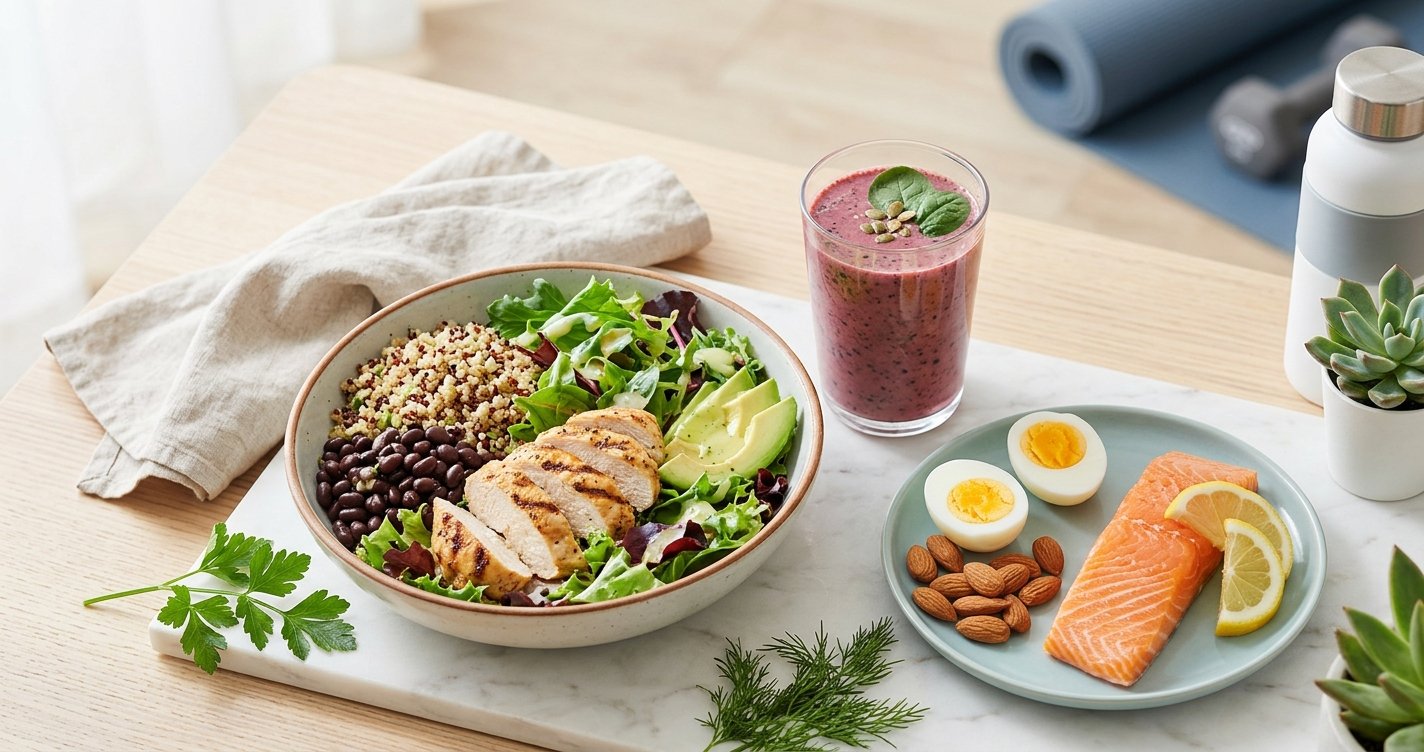
Let's visualize how a protein-rich day might look:
- Breakfast: Scrambled eggs (3-4) with spinach and a slice of whole-wheat toast, OR a Greek yogurt bowl with berries and a sprinkle of nuts.
- Lunch: Large salad with grilled chicken breast (150g/5oz) or chickpeas, mixed greens, and a light vinaigrette, OR a lentil soup with a side of cottage cheese.
- Dinner: Baked salmon (150g/5oz) with roasted broccoli and quinoa, OR lean ground turkey stir-fry with plenty of vegetables.
- Snacks: A handful of almonds, a hard-boiled egg, a protein shake, or a serving of cottage cheese with fruit.
Remember, variety is key to ensure you're getting a broad spectrum of nutrients. Don't be afraid to experiment with different protein sources and recipes!
Beyond Protein: The Holistic Approach to Sustainable Fat Loss
While protein is incredibly powerful, it's part of a larger picture. For truly sustainable fat loss, consider these complementary factors:
- Calorie Deficit: Even with high protein, you still need to consume fewer calories than you burn to lose fat. Protein just makes this deficit easier to achieve and maintain.
- Fiber-Rich Foods: Pair your protein with plenty of vegetables, fruits, and whole grains for fiber, which aids digestion, satiety, and overall health.
- Healthy Fats: Don't shun fats entirely. Healthy fats from avocados, nuts, seeds, and olive oil are crucial for hormone production and nutrient absorption.
- Smart Carbs: Focus on complex carbohydrates like oats, brown rice, and sweet potatoes, especially around your workouts, to fuel your body and provide energy.
- Strength Training: Lifting weights is your best friend for building and preserving muscle mass, which works synergistically with protein to boost your metabolism.
- Adequate Sleep: Poor sleep can disrupt hunger hormones (ghrelin and leptin), making fat loss harder. Aim for 7-9 hours of quality sleep per night.
- Stress Management: Chronic stress can increase cortisol levels, which can lead to increased fat storage, especially around the midsection. Find healthy ways to manage stress.
Your Journey to a Leaner, Healthier You Starts Now!
Embracing protein as a cornerstone of your fat loss strategy isn't about following a fad; it's about adopting an evidence-based approach that supports your body's natural processes. By prioritizing protein, you'll feel more satisfied, preserve muscle, boost your metabolism, and ultimately make your fat loss journey more effective and enjoyable. Start by making small, consistent changes to your diet today, and watch as the undeniable power of protein helps you unlock a leaner, stronger, and healthier you. You've got this!