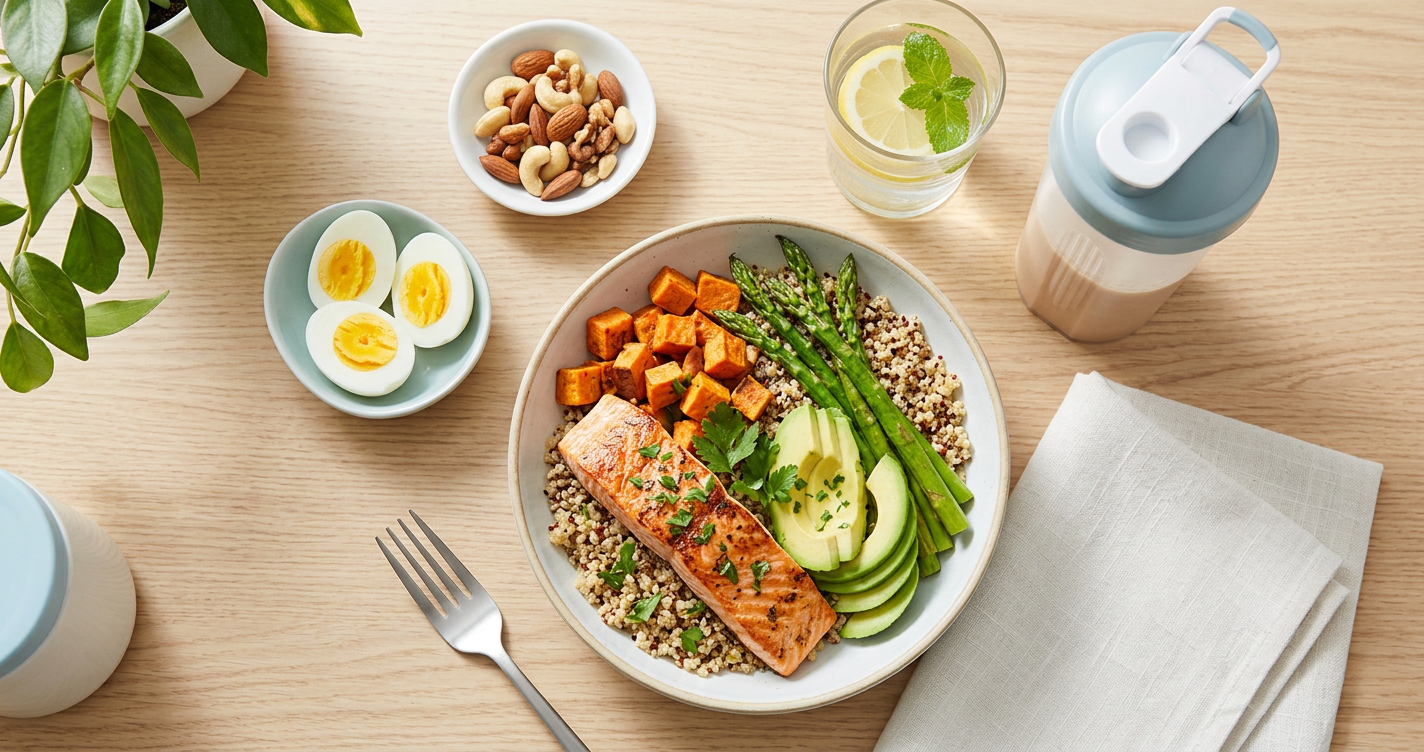
Tired of diet fads that leave you feeling hungry, frustrated, and right back where you started? You're not alone. Many people embark on fat loss journeys armed with good intentions but often overlook a crucial ally: protein. It's not just for bodybuilders; protein is a powerhouse nutrient that can significantly boost your efforts to shed unwanted fat, keep it off, and feel great while doing it.
In a world saturated with quick fixes, understanding the science-backed benefits of protein can be a game-changer. This isn't about deprivation; it's about smart, sustainable choices that nourish your body and accelerate your progress. We're going to dive deep into why protein is your secret weapon for fat loss, how much you truly need, and practical ways to effortlessly weave it into your daily life. Get ready to unlock a more effective and enjoyable path to a leaner, healthier you! this excellent wellness product
Why Protein is Your #1 Ally for Fat Loss
When it comes to losing fat, most people immediately think of cutting calories. While a calorie deficit is fundamental, how you achieve that deficit, and what you eat, makes all the difference. Protein stands out because it tackles fat loss from multiple angles, offering benefits that other macronutrients simply can't match.
Protein's Role in Satiety: Feeling Fuller, Longer
One of the biggest challenges in any fat loss journey is managing hunger and cravings. This is where protein truly shines! Protein has a remarkable ability to keep you feeling full and satisfied for longer periods compared to carbohydrates or fats. This isn't just a feeling; it's backed by science.
When you consume protein, it influences the release of specific hormones in your gut, such as GLP-1 and PYY, which signal fullness to your brain. Simultaneously, it helps suppress ghrelin, the 'hunger hormone'. The result? You're less likely to overeat, snack unnecessarily between meals, and find it much easier to stick to your calorie goals without feeling deprived. Imagine going about your day without constant hunger pangs – that's the protein advantage!
Boosting Your Metabolism: The Thermic Effect of Food (TEF)
Did you know your body actually burns calories just to digest and process the food you eat? This phenomenon is called the Thermic Effect of Food (TEF), and it varies significantly depending on the macronutrient. Protein has the highest TEF of all three macros.
While carbohydrates typically burn 5-10% of their calories during digestion, and fats burn 0-3%, protein burns a whopping 20-30%! This means that for every 100 calories of protein you consume, your body uses 20-30 calories just to process it. In essence, by simply eating more protein, you're giving your metabolism a gentle, continuous boost throughout the day, helping you burn more calories passively.
Preserving Muscle: The Key to a Faster Metabolism
When you're in a calorie deficit, your body doesn't always discriminate between fat and muscle for fuel. A common pitfall of restrictive dieting is losing valuable muscle mass along with fat. This is detrimental because muscle is metabolically active – it burns more calories at rest than fat does. Losing muscle means slowing down your metabolism, making it harder to lose fat and easier to regain weight in the future.
Adequate protein intake is crucial for protecting your precious muscle mass during a fat loss phase. Protein provides the essential amino acids your body needs to repair and build muscle tissue. When combined with strength training, a high-protein diet creates an anabolic environment, ensuring that the weight you lose is predominantly fat, not muscle. This preserves your metabolic engine, making long-term fat loss and maintenance much more achievable.
How Much Protein Do You Really Need for Fat Loss?
The recommended dietary allowance (RDA) for protein is often cited as 0.8 grams per kilogram of body weight, but this is merely the minimum to prevent deficiency, not necessarily optimal for fat loss or active individuals. For effective fat loss, research suggests a higher intake.
- General Recommendation: Aim for approximately 1.6 to 2.2 grams of protein per kilogram of body weight (or 0.7 to 1.0 grams per pound of body weight) daily.
- Example: If you weigh 70 kg (about 154 lbs), you'd be looking at roughly 112-154 grams of protein per day.
This range is a great starting point, but individual needs can vary based on activity level, age, and specific goals. Don't worry about hitting the exact number every single day, but strive to be consistently within this range. Spreading your protein intake throughout the day (e.g., 20-40 grams per meal) has also been shown to be more effective for muscle synthesis and satiety than consuming one or two large protein-heavy meals.
Smart Protein Choices: Fueling Your Fat Loss Journey
Now that you know how much protein to aim for, let's talk about where to get it. The best sources are often whole, unprocessed foods that also provide a wealth of other essential nutrients.
Excellent Protein Sources Include:
- Lean Meats: Chicken breast, turkey, lean beef (sirloin, round), pork loin.
- Fish & Seafood: Salmon, tuna, cod, shrimp, tilapia. These often provide healthy omega-3 fatty acids too!
- Eggs: A complete protein source, versatile and affordable.
- Dairy: Greek yogurt, cottage cheese, milk, kefir (opt for low-fat or fat-free to manage calories).
- Legumes: Lentils, chickpeas, black beans, kidney beans (great plant-based options).
- Soy Products: Tofu, tempeh, edamame.
- Nuts & Seeds: Almonds, walnuts, chia seeds, flax seeds (also provide healthy fats and fiber).
- Protein Powders: Whey, casein, or plant-based (pea, rice, soy) can be convenient supplements to meet your daily targets, especially after workouts or when you're on the go.
Focus on variety to ensure you're getting a broad spectrum of amino acids and micronutrients. Leaner protein sources are generally preferred for fat loss as they provide more protein per calorie.
Integrating Protein into Your Daily Routine: Practical Strategies
Hitting your protein targets doesn't have to be complicated or boring. With a few smart strategies, you can easily boost your intake without a complete diet overhaul.
- Start Strong with Breakfast: Ditch the sugary cereals. Opt for eggs, Greek yogurt with berries, a protein smoothie, or cottage cheese. A high-protein breakfast sets the tone for the day, promoting satiety and reducing morning cravings.
- Power-Up Lunch and Dinner: Make protein the centerpiece of your main meals. Aim for a portion roughly the size of your palm (or two, depending on your target) of lean meat, fish, or plant-based protein. Pair it with plenty of vegetables and a smart portion of complex carbohydrates.
- Smart Snacking: Instead of reaching for chips or cookies, choose protein-rich snacks. Hard-boiled eggs, a handful of almonds, string cheese, beef jerky, or a small container of Greek yogurt are excellent choices to keep hunger at bay between meals.
- Strategize with Supplements: If you find it challenging to get enough protein through whole foods alone, a protein shake can be a convenient and effective way to bridge the gap, especially post-workout.
- Meal Prep for Success: Dedicate some time each week to cook larger batches of protein sources like grilled chicken, roasted turkey, or boiled eggs. This makes quick, high-protein meals and snacks readily available when you're busy.
Remember, consistency is key. Small, sustainable changes add up to significant results over time.
Beyond the Plate: Protein Synergy with Lifestyle Factors
While protein is a powerful tool, it works best when integrated into a holistic approach to health and fat loss. Other lifestyle factors play a crucial role in amplifying protein's benefits and ensuring your journey is successful and sustainable.
- Hydration: Drink plenty of water throughout the day. Sometimes, thirst can be mistaken for hunger, leading to unnecessary calorie intake. Water also supports all metabolic processes, including protein synthesis.
- Quality Sleep: Lack of sleep can disrupt hunger-regulating hormones (ghrelin and leptin), making you hungrier and more prone to cravings, especially for unhealthy foods. Aim for 7-9 hours of quality sleep per night.
- Stress Management: Chronic stress elevates cortisol levels, which can promote fat storage, particularly around the abdomen. Find healthy ways to manage stress, whether it's through meditation, yoga, spending time in nature, or hobbies.
- Regular Exercise (Especially Resistance Training): Pairing adequate protein intake with resistance training (lifting weights, bodyweight exercises) creates the ultimate synergy for fat loss. Resistance training stimulates muscle growth and preservation, which protein then supports, leading to a more favorable body composition.
Think of protein as a cornerstone, but these lifestyle habits are the walls and roof that complete your healthy home. Together, they create an environment where your body can thrive and efficiently shed fat.
Embrace the Power of Protein for Lasting Results
Navigating the world of fat loss can feel overwhelming, but incorporating more protein into your diet is one of the most straightforward, evidence-based, and satisfying strategies you can adopt. By prioritizing protein, you're not just cutting calories; you're actively working with your body to boost your metabolism, curb cravings, and preserve the muscle that keeps you strong and healthy.
This isn't about a temporary fix; it's about building sustainable habits that support your long-term health and well-being. So, take the knowledge you've gained today and start making conscious protein choices. Your body, your energy levels, and your fat loss journey will thank you. You've got this!