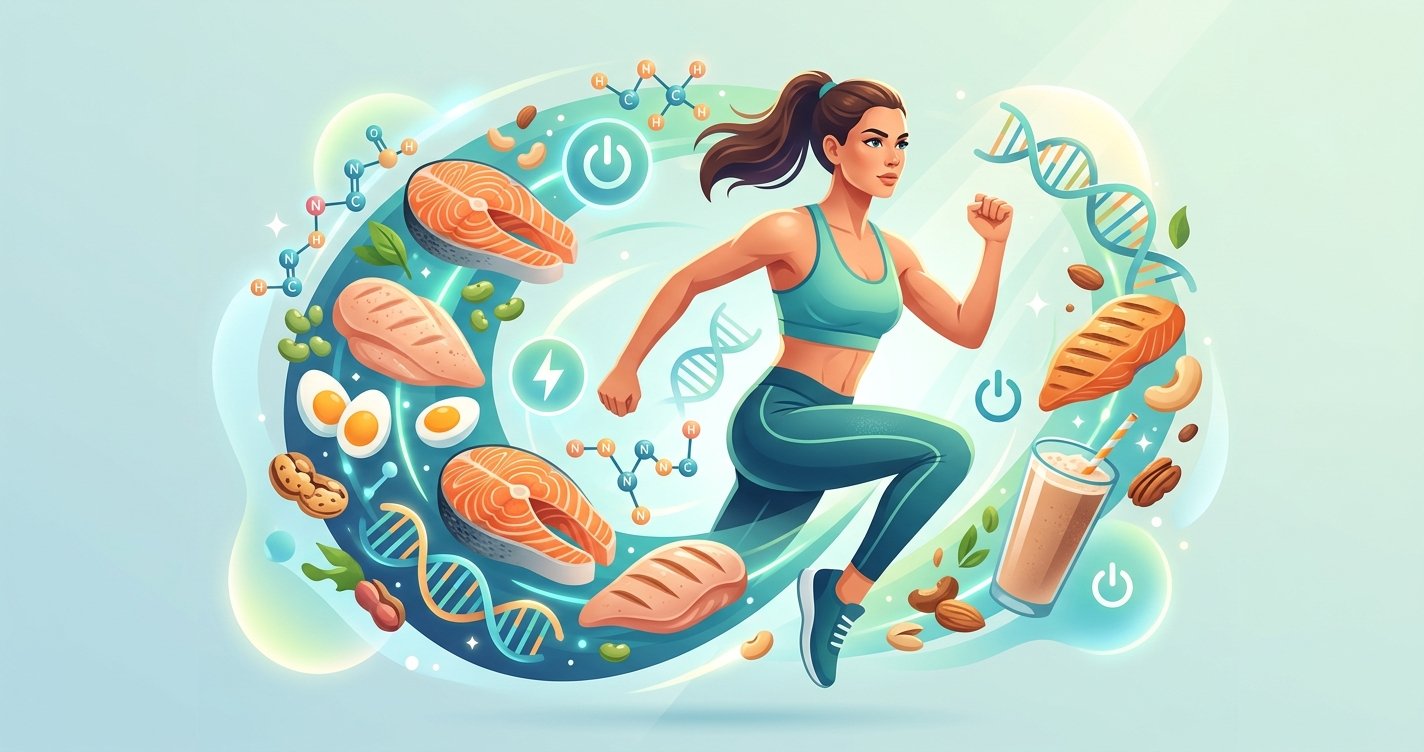
Unlock Your Fat Loss Potential: The Science-Backed Guide to Protein Power
Are you tired of restrictive diets that leave you hungry, frustrated, and ultimately back where you started? When it comes to sustainable fat loss, the journey can feel overwhelming, with countless fads and conflicting advice swirling around. But what if we told you there's one powerful macronutrient that consistently stands out in the scientific community for its incredible role in helping you shed fat, maintain muscle, and feel satisfied? Enter protein – your secret weapon in the quest for a leaner, healthier you.
This isn't just another diet gimmick; it's an evidence-based approach to understanding how protein can revolutionize your fat loss efforts. We'll dive deep into the science, debunk common myths, and equip you with practical, delicious ways to harness the power of protein to achieve your goals without feeling deprived. Get ready to transform your body and your relationship with food, because with protein on your side, fat loss becomes not just achievable, but enjoyable. this excellent wellness product
Why Protein Reigns Supreme for Fat Loss (The Science Behind It)
Protein isn't just for bodybuilders; it's a critical component of every healthy fat loss strategy. Its unique properties make it an undeniable ally:
- Satiety Superpower: One of the biggest challenges in a calorie deficit is managing hunger. Protein excels here. Studies consistently show that protein is the most satiating macronutrient, meaning it keeps you feeling fuller for longer compared to carbohydrates or fats. This natural appetite suppression can significantly reduce cravings and overall calorie intake, making it easier to stick to your goals. Imagine fewer hunger pangs and more control over your portions – that's the protein advantage!
- The Thermic Effect of Food (TEF): Did you know your body burns calories just by digesting food? This is known as the Thermic Effect of Food (TEF), and protein has the highest TEF of all macronutrients. Approximately 20-30% of the calories from protein are expended during digestion and absorption, compared to 5-10% for carbs and 0-3% for fats. This means that a high-protein diet effectively increases your daily calorie expenditure without you even lifting a finger! It's like a metabolic boost built right into your meals.
- Muscle Preservation & Growth: When you're in a calorie deficit to lose fat, your body naturally wants to tap into energy stores – which can sometimes include precious muscle mass. This is where protein becomes crucial. Adequate protein intake, especially when combined with strength training, helps preserve lean muscle mass while you're losing fat. Why is this important? More muscle means a higher resting metabolism, as muscle tissue burns more calories at rest than fat tissue. Protecting your muscle ensures that you're losing fat, not just weight, and keeps your metabolism humming.
How Much Protein Do You Really Need? (Dispelling Myths and Setting Targets)
The common recommendation for protein intake often falls short for those actively pursuing fat loss. For optimal results, you'll likely need more than you think.
- General Guidelines for Fat Loss: While individual needs vary, current evidence suggests that for active individuals aiming for fat loss, an intake of 1.6 to 2.2 grams of protein per kilogram of body weight (0.7 to 1 gram per pound of body weight) per day is an excellent target. For example, a person weighing 70 kg (approx. 154 lbs) would aim for roughly 112-154 grams of protein daily.
- Why More is Often Better (Within Reason): This higher range helps maximize satiety, TEF, and muscle preservation, especially when calories are restricted. Don't worry about "too much" protein; for healthy individuals, intakes significantly higher than these targets (even up to 3.4g/kg) have been shown to be safe and effective for body composition goals. However, focus on consistently hitting the recommended range first.
- Listen to Your Body & Adjust: These are guidelines, not rigid rules. Factors like your activity level, age, current body composition, and specific goals might influence your ideal intake. If you're consistently hungry, consider slightly increasing your protein. If you find it challenging to hit the higher end, start with the lower end of the range and gradually increase.
Protein Sources: Beyond the Chicken Breast (Delicious & Diverse Options)
Thinking of protein and only seeing chicken breast? Think again! There's a vast world of delicious and nutritious protein sources to explore.
- Animal-Based Powerhouses:
- Lean Meats: Chicken breast, turkey, lean beef (sirloin, round), pork loin.
- Fish & Seafood: Salmon, cod, tuna, shrimp – packed with omega-3s too!
- Eggs: The "perfect protein," versatile and affordable.
- Dairy: Greek yogurt, cottage cheese, milk, whey protein (great for convenience).
- Plant-Based Protein Champions:
- Legumes: Lentils, chickpeas, black beans, kidney beans – also rich in fiber.
- Soy Products: Tofu, tempeh, edamame – incredibly versatile and complete proteins.
- Grains & Seeds: Quinoa (a complete protein), chia seeds, hemp seeds, nuts (almonds, peanuts).
- Plant-Based Protein Powders: Pea protein, rice protein, soy protein – excellent for shakes and smoothies.
- Making Smart Choices: Aim for a variety of sources to ensure you're getting a broad spectrum of amino acids and other essential nutrients. Don't be afraid to experiment with different recipes and cuisines to keep your meals exciting!
Practical Tips for Boosting Your Protein Intake (Making It Easy & Enjoyable)
Integrating more protein into your diet doesn't have to be complicated. Here are some actionable strategies to help you hit your targets effortlessly.
- Start Your Day with Protein: Instead of sugary cereals or toast, opt for protein-rich breakfasts. Think scrambled eggs with veggies, Greek yogurt with berries and nuts, cottage cheese, or a protein smoothie. This sets you up for sustained energy and satiety throughout the morning.
- Protein at Every Meal & Snack: Don't save all your protein for dinner. Distribute your intake throughout the day. Aim for 20-40 grams of protein per main meal and 10-20 grams for snacks. This helps optimize muscle protein synthesis and keeps hunger at bay.
- Smart Snacking: Ditch the empty calories. Reach for protein-packed snacks like a handful of almonds, a hard-boiled egg, string cheese, a small container of Greek yogurt, or a protein bar (check sugar content!).
- Meal Prep Like a Pro: Dedicate some time each week to prep protein sources. Cook a batch of chicken breast, hard-boil eggs, or pre-portion cottage cheese. Having ready-to-eat protein makes healthy choices much easier when you're busy.
- Lean on Supplements (When Needed): While whole foods should always be your priority, protein powders can be a convenient and effective way to boost your intake, especially post-workout or when you're short on time.
- Hydration is Key: While not protein itself, adequate water intake is crucial for overall metabolism and can sometimes be mistaken for hunger. Drink plenty of water throughout the day.
Integrating Protein into a Holistic Fat Loss Strategy (It's Not Just About Protein!)
While protein is a superstar, it's part of a bigger team. For truly sustainable and effective fat loss, integrate your high-protein diet with other crucial lifestyle factors.
- Calorie Deficit is Non-Negotiable: Fat loss fundamentally comes down to consuming fewer calories than you burn. Protein makes achieving this deficit much easier by enhancing satiety and TEF, but the deficit itself remains the primary driver. Focus on nutrient-dense foods that support your calorie goals.
- Embrace Strength Training: Pairing a high-protein diet with regular strength training is the ultimate combo for body recomposition. Lifting weights stimulates muscle growth and preservation, which, when fueled by protein, maximizes fat loss and improves your metabolic rate. Aim for 2-4 strength training sessions per week.
- Prioritize Sleep: Don't underestimate the power of a good night's rest. Poor sleep can disrupt hunger hormones (ghrelin and leptin), increase cravings, and impair fat loss. Aim for 7-9 hours of quality sleep per night.
- Manage Stress: Chronic stress elevates cortisol levels, which can promote fat storage, especially around the belly. Incorporate stress-reducing activities like meditation, yoga, spending time in nature, or hobbies you enjoy.
- Consistency and Patience: Fat loss is a journey, not a race. There will be good days and challenging days. The key is consistency over time and celebrating small victories. Don't get discouraged by minor setbacks; just get back on track.
Conclusion
You now hold the knowledge to truly harness the power of protein for effective, sustainable fat loss. It's not about deprivation or complex rules; it's about understanding your body and fueling it intelligently. By prioritizing protein, you can conquer hunger, boost your metabolism, preserve precious muscle, and ultimately sculpt a stronger, leaner, and healthier you.
Start small, make one change today. Add protein to your breakfast, choose a protein-rich snack, or simply become more aware of your intake. Remember, every positive step adds up. You've got this, and the science is firmly on your side. Embrace the power of protein, and unlock the fat loss success you've been searching for!