Hey there, fitness friends!
Are you on a journey to shed some fat, feel stronger, and boost your overall health? If so, you've probably heard a lot about calories, carbs, and cardio. But what if I told you there's one nutrient that often doesn't get the superstar credit it deserves, especially when it comes to effective and sustainable fat loss? We're talking about protein! It’s not just for bodybuilders; protein is your secret weapon for feeling full, revving up your metabolism, and protecting that precious muscle as you get leaner. Let's dive deep into why making protein a priority can transform your fat loss journey from a struggle into a success story, all backed by science and delivered with a friendly, encouraging nudge.
Why Protein is Your Fat Loss MVP (Most Valuable Player)
When it comes to losing fat, the goal isn't just to see the number on the scale drop. It's about losing fat, not muscle, and feeling great while you do it. This is where protein shines brightest. Think of protein as your body's essential building block, crucial for everything from repairing tissues to making enzymes and hormones. But for fat loss, its benefits are threefold: it keeps you feeling satisfied for longer, it slightly boosts the calories your body burns through digestion, and most importantly, it helps you hold onto your muscle mass, which is vital for a healthy metabolism. Let's explore each of these powerful advantages. this excellent wellness product
The Satiety Secret: How Protein Keeps Hunger at Bay
One of the biggest challenges in any fat loss journey is battling hunger. Cravings and constant rumbling stomachs can derail even the best intentions. This is where protein truly excels. Studies consistently show that protein is the most satiating macronutrient. When you eat protein, it triggers the release of hormones like GLP-1 and PYY, which signal to your brain that you're full and satisfied. At the same time, it helps suppress ghrelin, the "hunger hormone." This means a high-protein meal can keep you feeling fuller for longer, reducing the urge to snack unnecessarily and making it easier to stick to your calorie goals without feeling deprived. Imagine fewer hunger pangs and more control over your eating – that’s the power of protein!
Boost Your Burn: The Thermic Effect of Food (TEF) Explained
Did you know that your body burns calories just to digest and process the food you eat? This is called the Thermic Effect of Food (TEF), and it varies depending on the macronutrient. Protein has the highest TEF by far! While fats have a TEF of 0-3% and carbohydrates around 5-10%, protein boasts a TEF of 20-30%. This means for every 100 calories of protein you consume, your body uses 20-30 of those calories just to process it. While it might seem like a small percentage, these extra burned calories add up over the course of a day, a week, and a month, giving you a subtle yet significant metabolic advantage in your fat loss efforts. It's like a tiny internal furnace working harder for you!
Muscle Matters: Protecting Your Metabolism During Fat Loss
Here’s a crucial point often overlooked: when you're in a calorie deficit to lose fat, your body doesn't always discriminate between fat and muscle. Without adequate protein and strength training, you risk losing valuable muscle mass along with fat. Why does this matter? Muscle is metabolically active tissue, meaning it burns more calories at rest than fat does. If you lose muscle, your resting metabolic rate (RMR) can decrease, making it harder to continue losing weight and easier to regain it once you stop dieting. Protein plays a vital role in muscle protein synthesis (MPS), the process of building and repairing muscle. By consuming enough protein, especially combined with resistance training, you send a clear signal to your body to preserve that precious muscle, ensuring your metabolism stays humming and your body composition improves.
How Much Protein Do You Really Need for Fat Loss?
So, what's the magic number? While individual needs can vary, research suggests that for fat loss and muscle preservation, aiming for a higher protein intake than the standard dietary reference intake is beneficial. A general guideline often recommended by experts is to consume between 1.6 to 2.2 grams of protein per kilogram of body weight per day (or about 0.7 to 1 gram per pound of body weight). For an active individual, or someone in a significant calorie deficit, even higher amounts (up to 2.5-3.0 g/kg) may be beneficial for maximizing muscle retention. Don't worry about "too much" protein; for healthy individuals, these levels are generally safe and effective. Spread your protein intake throughout the day across multiple meals and snacks to optimize muscle protein synthesis.
Smart Protein Choices: Fueling Your Journey
Now that you know why protein is so important, let's talk about what to eat! Focus on lean, high-quality protein sources that provide a full spectrum of essential amino acids.
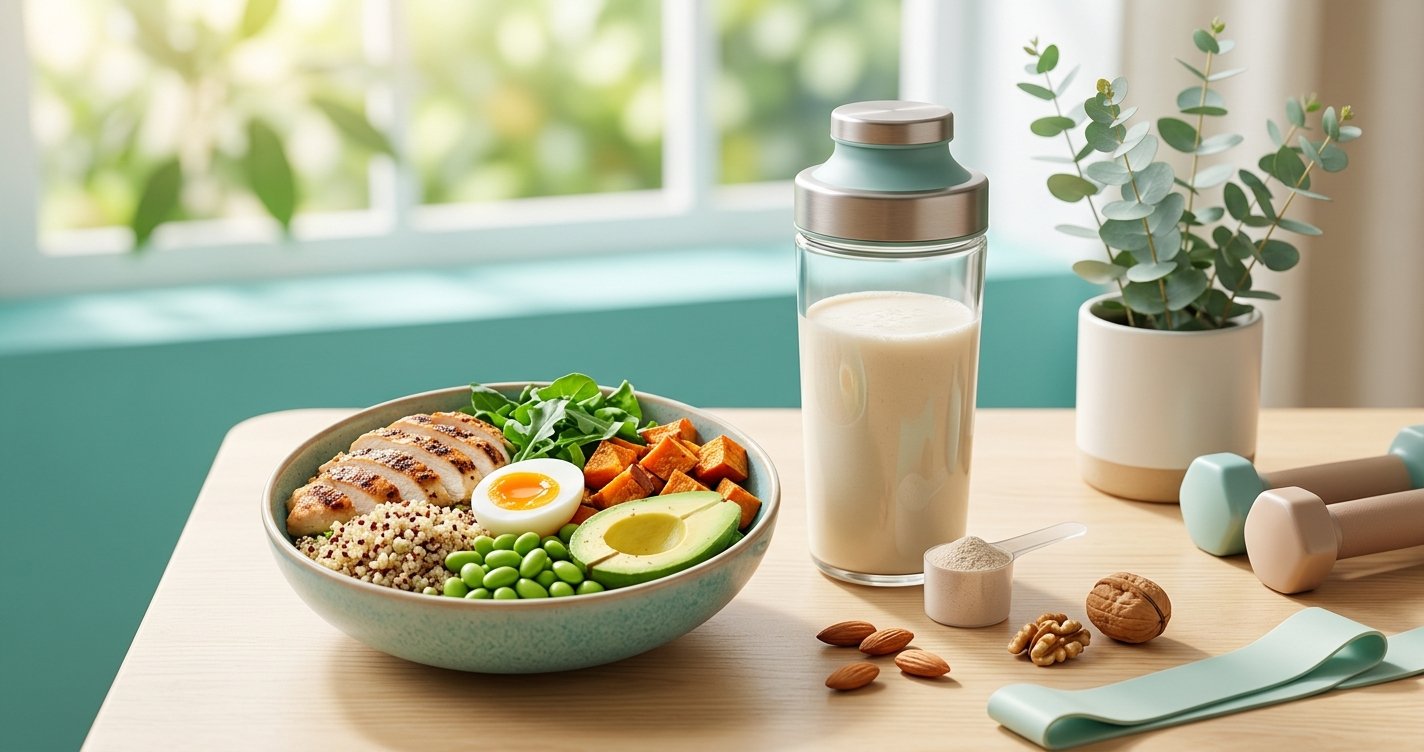
- Animal Sources: Chicken breast, turkey, lean beef, fish (salmon, tuna, cod), eggs, Greek yogurt, cottage cheese, milk.
- Plant-Based Sources: Lentils, beans, chickpeas, tofu, tempeh, edamame, quinoa, protein-rich grains, nuts, seeds, and plant-based protein powders (pea, soy, rice).
Prioritize whole, unprocessed foods whenever possible. These sources also come packed with other essential vitamins and minerals, contributing to your overall health and well-being.
Practical Tips for Boosting Your Protein Intake
Incorporating more protein into your daily routine doesn't have to be complicated. Here are some simple, actionable tips:
- Start Strong: Make breakfast a protein powerhouse. Think scrambled eggs, Greek yogurt with berries, or a protein smoothie.
- Protein at Every Meal: Aim for a significant protein source in all your main meals. A palm-sized portion of lean meat or fish, a cup of lentils, or a few ounces of tofu can make a big difference.
- Smart Snacking: Swap sugary snacks for protein-rich options like a handful of almonds, a hard-boiled egg, cottage cheese, or a protein bar.
- Plan Ahead: Meal prepping can ensure you always have healthy, protein-packed options ready to go.
- Don't Fear Supplements (Wisely): Protein powders can be a convenient way to boost your intake, especially post-workout or when you're short on time. But remember, they supplement a whole-food diet, they don't replace it.
- Hydrate: Sometimes thirst can be mistaken for hunger. Drink plenty of water throughout the day.
Conclusion
Embracing protein as a cornerstone of your diet is a game-changer for sustainable fat loss. By prioritizing this powerful macronutrient, you’ll feel more satisfied, give your metabolism a gentle boost, and protect your hard-earned muscle, all while working towards a leaner, stronger you. Remember, this isn't about restriction; it's about smart, evidence-based nutrition that fuels your body and supports your goals. So, go ahead, empower your plate with protein and watch your fat loss journey transform! You've got this!