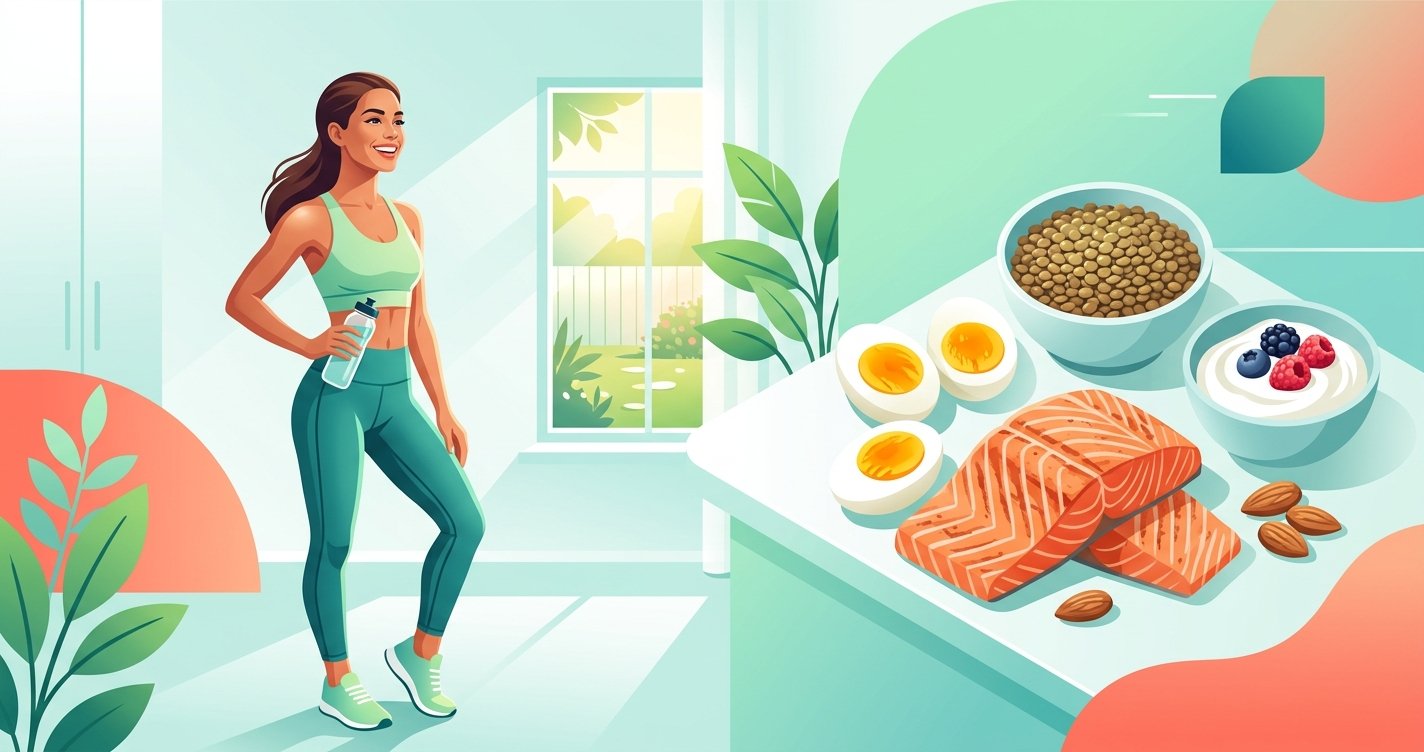
Embarking on a fat loss journey can often feel like navigating a complex maze. With countless diets, workout routines, and conflicting advice, it’s easy to get lost. Many people focus solely on calorie restriction, but what if there was a powerful, often overlooked nutrient that could significantly simplify your path to sustainable fat loss? Enter protein – a macronutrient that’s far more than just a muscle builder. It’s a game-changer for anyone looking to shed unwanted fat and keep it off. In this guide, we'll dive deep into why protein is your ultimate ally in achieving a leaner, healthier you, backed by solid evidence and practical tips.
Why Protein is Your Undeniable Ally in Fat Loss
When we talk about fat loss, protein often takes a backseat to discussions about carbs or fats. However, its role is pivotal. Protein isn't just about building biceps; it profoundly impacts your satiety, metabolism, and ability to preserve muscle mass – all critical components for effective and sustainable fat loss. Unlike other nutrients, protein demands more energy for digestion, keeps you fuller for longer, and helps protect your precious muscle tissue when you're in a calorie deficit. Understanding these mechanisms is key to harnessing its power. this excellent wellness product
The Science Behind Protein's Power: Three Key Mechanisms
Let's break down the scientific reasons why protein is so effective for fat loss, making it a cornerstone of any successful weight management strategy.
1. Supercharge Your Satiety: Conquer Cravings
One of protein's most celebrated benefits is its remarkable ability to keep you feeling full and satisfied. Compared to carbohydrates and fats, protein has a superior effect on satiety. It triggers the release of specific gut hormones, like GLP-1 and PYY, which signal to your brain that you're full, while simultaneously reducing levels of ghrelin, the 'hunger hormone'. This hormonal response helps curb cravings, reduce overall calorie intake, and prevent overeating, making it easier to stick to your fat loss goals without feeling constantly deprived.
2. Boost Your Metabolism: The Thermic Effect of Food (TEF)
Did you know your body burns calories just to digest and process the food you eat? This is known as the Thermic Effect of Food (TEF), and protein has the highest TEF among all macronutrients. While carbohydrates have a TEF of 5-10% and fats have 0-3%, protein boasts an impressive 20-30%. This means that for every 100 calories of protein you consume, your body uses 20-30 calories just to digest it. While seemingly small on a meal-to-meal basis, this 'metabolic boost' can add up significantly over time, contributing to a higher overall daily calorie expenditure.
3. Preserve Precious Muscle Mass: Protect Your Metabolism
When you're in a calorie deficit, your body ideally burns fat for energy. However, it can also break down muscle tissue, especially if protein intake is insufficient. Losing muscle mass is counterproductive for fat loss because muscle is metabolically active – it burns more calories at rest than fat does. By consuming adequate protein, you help preserve your lean muscle mass, ensuring that the weight you lose is primarily fat. This not only keeps your metabolism revving but also helps you maintain a strong, toned physique.
How Much Protein Do You Really Need for Fat Loss?
The optimal protein intake for fat loss is often higher than general dietary recommendations. While individual needs vary based on activity level, body composition, and goals, a common guideline for fat loss is to aim for 1.6 to 2.2 grams of protein per kilogram of body weight (or approximately 0.7 to 1 gram per pound of *lean* body mass). For example, if you weigh 70 kg (154 lbs), you might aim for 112 to 154 grams of protein per day. It's important not to under-consume, as many people do, but also remember that more isn't always better. Finding your sweet spot will maximize the benefits without unnecessary excess.
Practical Strategies: Making Protein Work for You Every Day
Now that you understand the 'why,' let's explore the 'how.' Incorporating more protein into your diet doesn't have to be complicated. Here are some actionable tips to make it a seamless part of your daily routine:
Spread It Out Throughout the Day
Instead of consuming most of your protein in one large meal, aim to distribute your intake across all your meals and snacks. Research suggests that consuming 20-40 grams of protein per meal can optimize muscle protein synthesis (MPS) and keep you feeling fuller for longer. This consistent protein supply helps maintain satiety and muscle preservation throughout the day, preventing those energy dips and hunger pangs.
Prioritize Protein at Every Meal
Make protein the star of your plate. Start your day with a protein-rich breakfast like eggs, Greek yogurt, or a protein smoothie. For lunch and dinner, build your meal around a lean protein source such as chicken breast, fish, lean beef, tofu, or legumes. Even a small shift in your meal composition can make a significant difference in your overall protein intake and satiety levels.
Smart Snacking with Protein
When hunger strikes between meals, reach for protein-packed snacks instead of sugary or highly processed options. Think cottage cheese, a handful of almonds, hard-boiled eggs, jerky, or a protein bar. These snacks provide sustained energy, prevent overeating at your next meal, and contribute to your daily protein target.
Choose High-Quality Protein Sources
Focus on whole, minimally processed protein sources. These include:
- Animal Sources: Lean meats (chicken, turkey, lean beef), fish (salmon, tuna, cod), eggs, dairy (Greek yogurt, cottage cheese, milk).
- Plant Sources: Legumes (lentils, chickpeas, black beans), tofu, tempeh, edamame, quinoa, nuts, and seeds.
A diverse range of protein sources ensures you get a complete amino acid profile and a variety of other essential nutrients.
Don't Forget Hydration and Fiber
While protein is crucial, it works best in conjunction with other healthy habits. Ensure you're drinking plenty of water throughout the day, as protein digestion requires adequate hydration. Also, pair your protein with fiber-rich foods like vegetables, fruits, and whole grains. Fiber further enhances satiety and supports digestive health, creating a synergistic effect for fat loss.
Debunking Common Protein Myths
Despite its numerous benefits, protein often falls victim to misconceptions. Let's clear up some common myths:
Myth 1: Too Much Protein Damages Your Kidneys
This is a widespread concern, but for healthy individuals with normal kidney function, there is no scientific evidence to suggest that a high-protein diet causes kidney damage. Studies have consistently shown that high protein intake is safe. However, if you have a pre-existing kidney condition, it's always best to consult with your doctor before making significant dietary changes.
Myth 2: Protein Will Make You Bulky
Many people, especially women, fear that increasing protein intake will automatically lead to a bulky physique. This is untrue. Building significant muscle mass requires a combination of specific resistance training, a calorie surplus, and often, genetic predisposition. Protein supports lean muscle development and preservation, which is beneficial for fat loss and a toned appearance, not necessarily bulk.
Myth 3: You Can Only Absorb X Grams of Protein Per Meal
While muscle protein synthesis may have a saturation point per meal, your body is highly efficient at digesting and utilizing protein over a longer period. The idea that any protein beyond a certain amount (e.g., 20-30g) in one sitting is 'wasted' is a simplification. Your digestive system can handle and absorb larger amounts, albeit at a slower rate. Focus on your total daily protein intake rather than obsessing over precise per-meal absorption limits.
Embrace Protein for Lasting Success
Protein is an incredibly powerful tool in your fat loss arsenal, offering a multi-faceted approach to achieving your goals. By embracing its ability to enhance satiety, boost metabolism through TEF, and preserve vital muscle mass, you're not just losing weight; you're building a healthier, more sustainable foundation for long-term well-being. Start making small, consistent changes today – prioritize protein at every meal, choose quality sources, and watch as this often-underestimated nutrient transforms your fat loss journey into a more effective, satisfying, and lasting success story. Your leaner, healthier self is within reach!