Are you tired of the endless cycle of crash diets, restrictive eating, and the frustrating 'yo-yo' effect? You're not alone. Many of us chase quick fixes for fat loss, only to find ourselves back where we started, feeling defeated and discouraged. But what if there was a powerful, evidence-based strategy that not only helps you shed unwanted body fat but also builds a stronger, healthier you – all without feeling constantly deprived?
Enter protein. Often hailed as the macronutrient MVP, protein is far more than just fuel for bodybuilders. It's a cornerstone for sustainable fat loss, muscle preservation, and overall well-being. In this comprehensive guide, we'll dive deep into why protein is your secret weapon, how much you truly need, and practical ways to effortlessly integrate it into your daily life. Get ready to transform your approach to fat loss and unlock a sustainable path to a leaner, more vibrant you! this excellent wellness product
Why Protein is Your Secret Weapon for Fat Loss
Protein isn't just a building block for muscle; it's a metabolic powerhouse that plays several critical roles in helping you achieve and maintain a healthy body composition. Let's explore its multifaceted benefits.
The Satiety Superstar: Feeling Fuller, Longer
One of the biggest challenges with any fat loss journey is managing hunger and cravings. This is where protein truly shines. Protein has a remarkable ability to increase satiety – the feeling of fullness – far more effectively than carbohydrates or fats. When you consume protein, it triggers the release of specific hormones in your gut, like PYY and GLP-1, which signal to your brain that you're satisfied. Simultaneously, it helps suppress ghrelin, the 'hunger hormone'.
What does this mean for you? Fewer hunger pangs, reduced cravings for unhealthy snacks, and a natural tendency to eat less overall. Imagine going through your day feeling genuinely content with your meals, rather than constantly battling the urge to raid the pantry. This isn't just about willpower; it's about leveraging your body's natural hunger-regulating mechanisms.
Boost Your Metabolism: The Thermic Effect of Food (TEF)
Did you know your body burns calories just to digest and process the food you eat? This is known as the Thermic Effect of Food (TEF), and protein has the highest TEF of all macronutrients. Approximately 20-30% of the calories from protein are expended during its digestion and absorption, compared to 5-10% for carbohydrates and a mere 0-3% for fats.
While this might seem like a small percentage, it adds up over time. By prioritizing protein, you're essentially giving your metabolism a continuous, subtle boost, helping you burn more calories around the clock. It's like having a tiny, internal furnace working harder just by choosing protein-rich foods – a fantastic advantage when you're aiming for fat loss.
Preserve Precious Muscle: Burn Fat, Not Muscle
When you're in a calorie deficit (eating fewer calories than you burn) to lose weight, your body can sometimes break down muscle tissue for energy, not just fat. This is detrimental because muscle is metabolically active – it burns more calories at rest than fat does. Losing muscle can slow down your metabolism, making future fat loss harder and contributing to the dreaded 'skinny fat' look.
A higher protein intake is crucial for preserving lean muscle mass during a fat loss phase. Protein provides the amino acids necessary to repair and build muscle, signaling to your body to hold onto that valuable tissue. This means that when you step on the scale, you're more likely to see a reduction in body fat while maintaining or even increasing your muscle mass, leading to a leaner, stronger, and more toned physique.
How Much Protein Do You Really Need for Fat Loss?
The standard Recommended Dietary Allowance (RDA) for protein is 0.8 grams per kilogram of body weight, but this is merely a minimum to prevent deficiency, not necessarily optimal for fat loss or active individuals. For effective fat loss and muscle preservation, research suggests a significantly higher intake.
A good general guideline for fat loss is to aim for **1.6 to 2.2 grams of protein per kilogram of body weight (or 0.7 to 1.0 grams per pound of body weight)**. For example, a person weighing 70 kg (154 lbs) would aim for approximately 112 to 154 grams of protein per day. This range helps maximize satiety, preserve muscle, and support a healthy metabolism.
Keep in mind that individual needs can vary based on activity level, age, and specific goals. If you're very active or engaging in regular strength training, you might benefit from the higher end of this spectrum.
Smart Strategies to Boost Your Protein Intake
Incorporating more protein into your diet doesn't have to be complicated or bland. With a little planning, you can easily meet your protein targets.
Prioritize Protein at Every Meal
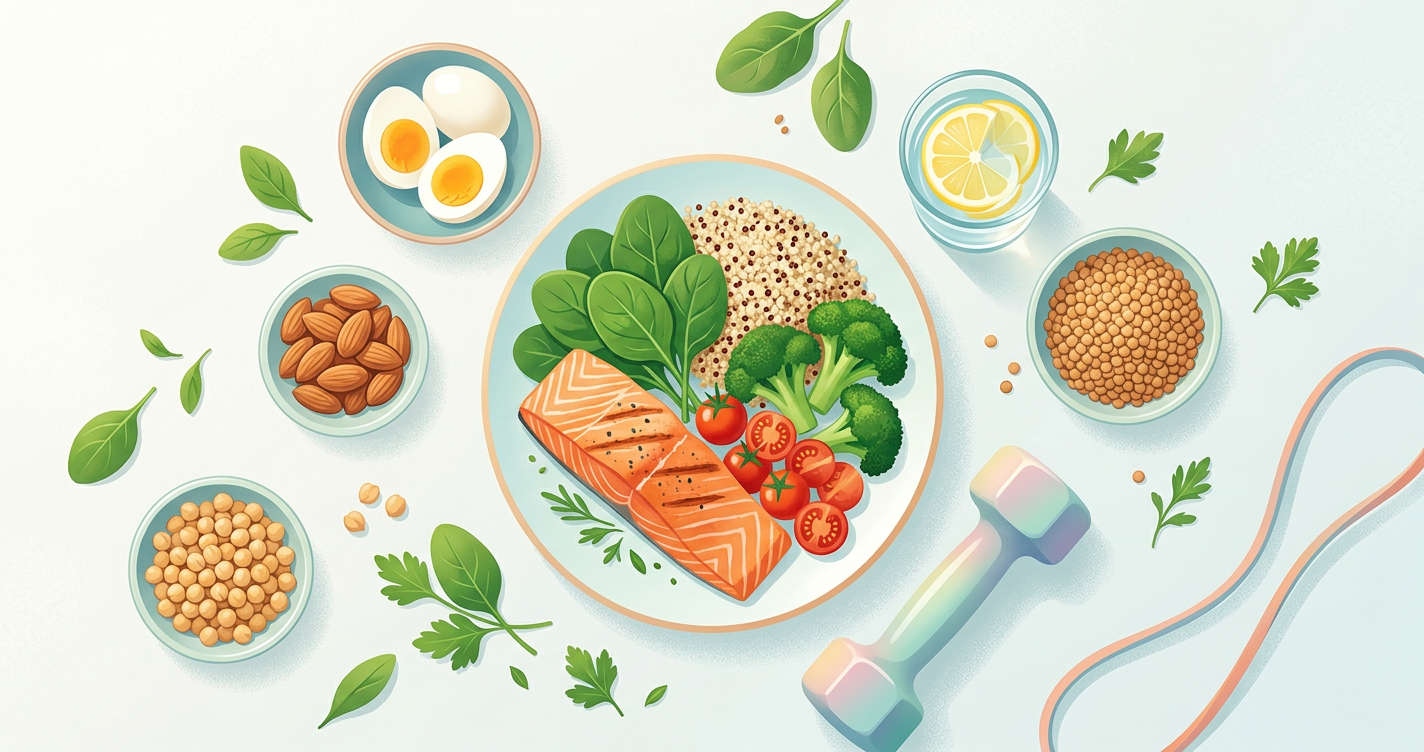
- Breakfast: Start your day strong. Instead of sugary cereals or pastries, opt for eggs, Greek yogurt, cottage cheese, a protein smoothie, or even leftover lean meat.
- Lunch & Dinner: Make a lean protein source the centerpiece of your plate. Think chicken breast, fish, lean beef, turkey, tofu, tempeh, or lentils.
- Snacks: Ditch the empty calories. Choose protein-rich snacks like a handful of almonds, string cheese, hard-boiled eggs, a small Greek yogurt, or a protein bar.
Choose Lean Protein Sources
Not all protein sources are created equal. Focus on lean options to get the most protein with fewer saturated fats and calories.
- Animal Sources: Chicken breast (skinless), turkey, lean beef cuts (sirloin, round), fish (salmon, tuna, cod), eggs, Greek yogurt, cottage cheese, skim milk.
- Plant-Based Sources: Tofu, tempeh, edamame, lentils, beans (black beans, chickpeas), quinoa, seitan, spirulina, nuts, and seeds (in moderation due to calorie density).
Don't Forget Protein Supplements (When Needed)
While whole foods should always be your primary source of nutrition, protein supplements can be a convenient and effective way to meet your daily targets, especially if you have a busy lifestyle or struggle to eat enough protein through food alone.
- Whey Protein: Fast-digesting, great post-workout.
- Casein Protein: Slow-digesting, ideal before bed.
- Plant-Based Proteins: Pea, rice, hemp, or soy protein for vegan/vegetarian options.
Remember, supplements are meant to supplement your diet, not replace whole, nutritious foods. Always check the ingredient list and nutritional information.
Beyond the Scale: The Wider Benefits of a High-Protein Diet
While fat loss is a primary goal, the advantages of increasing your protein intake extend far beyond what the scale shows. Embracing a high-protein diet can lead to a cascade of positive health outcomes:
- Improved Strength and Performance: Combined with resistance training, adequate protein intake is essential for muscle repair and growth, leading to increased strength and better athletic performance.
- Better Bone Health: Protein is a vital component of bone structure. Studies suggest that higher protein intake can contribute to stronger bones and reduce the risk of osteoporosis.
- Enhanced Recovery: Whether from workouts or daily wear and tear, protein helps your body repair tissues and recover more efficiently.
- Stable Blood Sugar Levels: Protein helps slow down the absorption of carbohydrates, leading to a more gradual rise in blood sugar and preventing energy crashes. This is particularly beneficial for managing energy levels and reducing cravings.
- Overall Feeling of Vitality: With stable energy, reduced hunger, and a stronger body, you'll likely feel more energetic, focused, and capable of tackling daily challenges.
Common Protein Pitfalls & How to Avoid Them
Even with the best intentions, it's easy to fall into common traps when increasing protein intake. Here’s how to sidestep them:
- Not Enough Variety: Sticking to just chicken and broccoli can lead to diet fatigue. Explore different lean meats, fish, dairy, legumes, and plant-based options to keep things interesting and ensure a wide range of nutrients.
- Relying Solely on Supplements: While useful, protein powders shouldn't replace whole foods. Whole foods offer a broader spectrum of vitamins, minerals, fiber, and other beneficial compounds that supplements often lack.
- Forgetting Fiber and Other Nutrients: A high-protein diet is excellent, but it must still be balanced. Ensure you're also consuming plenty of vegetables, fruits, and whole grains for fiber, vitamins, and minerals to support overall health and digestive regularity.
- Ignoring Overall Calorie Intake: Protein is crucial, but it's not a magic bullet. To lose fat, you still need to be in a modest calorie deficit. You can gain weight by overeating protein, just like any other macronutrient, if your total calorie intake exceeds your expenditure.
Conclusion
If you've been searching for a sustainable, effective, and empowering approach to fat loss, look no further than the mighty macronutrient: protein. By harnessing its power to boost satiety, rev your metabolism, and preserve muscle, you're not just losing weight – you're building a stronger, healthier, and more resilient version of yourself.
Forget the deprivation and endless struggle. Embrace protein as your ally, make informed choices, and watch as your body transforms, not just on the scale, but in how you feel, move, and live. Start incorporating more protein into your meals today, and embark on a fat loss journey that's truly sustainable, satisfying, and rewarding. Your stronger, leaner self is waiting!