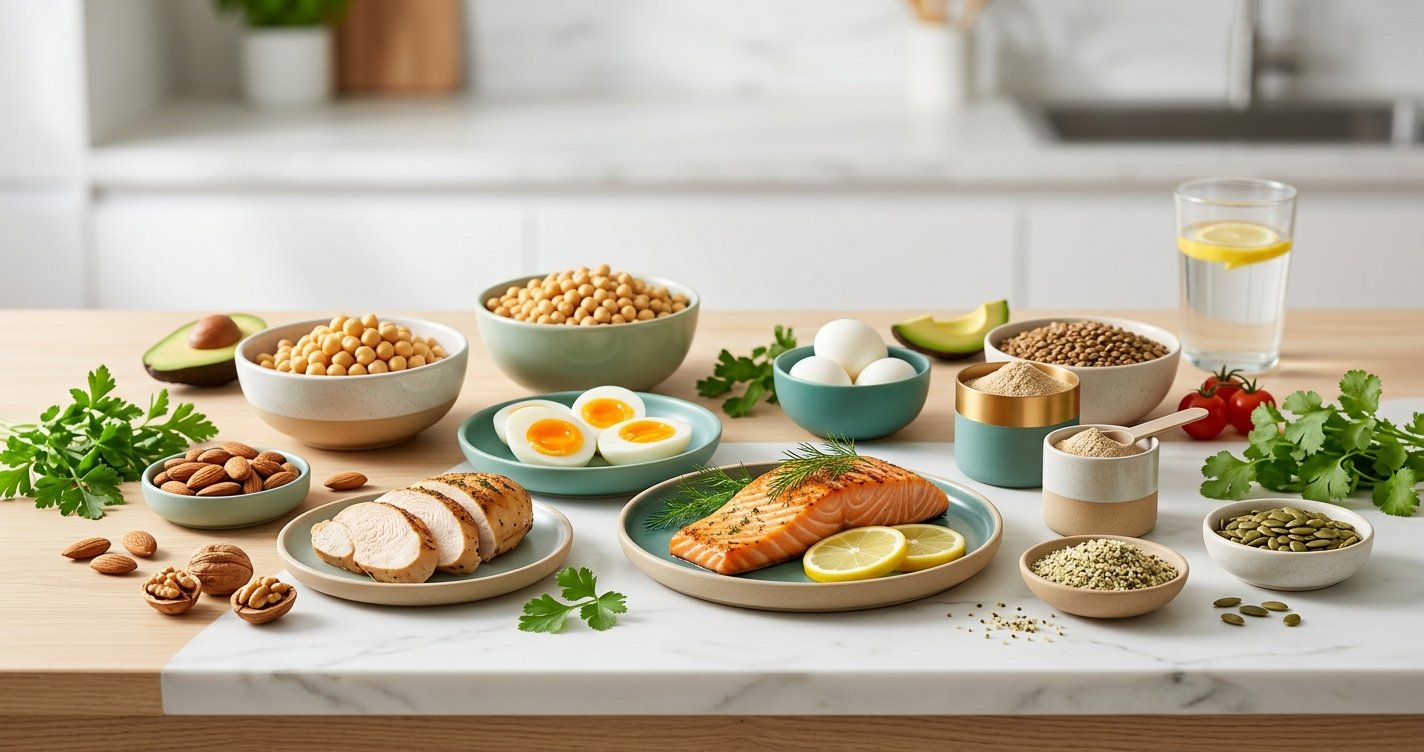
Struggling with fat loss? You're not alone. In a world saturated with quick fixes and restrictive diets, finding a sustainable path can feel overwhelming. But what if one simple, yet incredibly powerful, nutrient could be your secret weapon? We're talking about protein – not just for bodybuilders, but for anyone serious about shedding fat, feeling full, and maintaining a healthy metabolism. Let's dive deep into why protein is your unsung hero for sustainable fat loss, backed by science, and how you can easily make it a cornerstone of your diet.
Why Protein Is a Fat Loss Game-Changer
Protein isn't just a building block for muscles; it plays multiple crucial roles that directly impact your ability to lose fat and keep it off. Understanding these mechanisms can empower you to make smarter dietary choices. this excellent wellness product
The Satiety Factor: Feeling Fuller, Longer
One of the biggest challenges in fat loss is managing hunger and cravings. This is where protein shines. Protein is renowned for its ability to promote satiety, meaning it helps you feel full and satisfied for longer periods compared to carbohydrates or fats. When you consume protein, it triggers the release of specific hormones (like GLP-1 and CCK) that signal fullness to your brain. This can naturally lead to consuming fewer calories throughout the day without feeling deprived or constantly battling hunger pangs. Imagine fewer urges to snack between meals – that's the power of protein at work!
Metabolism Magic: The Thermic Effect of Food (TEF)
Did you know that your body burns calories just to digest and process the food you eat? This is called the Thermic Effect of Food (TEF), and protein has the highest TEF of all macronutrients. Approximately 20-30% of the calories from protein are expended during digestion, compared to 5-10% for carbohydrates and 0-3% for fats. This means that a high-protein diet effectively increases your daily calorie expenditure, giving your metabolism a gentle, continuous boost. Over time, this 'metabolic advantage' can significantly contribute to a greater calorie deficit, making fat loss more efficient.
Muscle Matters: Preserving Your Lean Mass
When you're in a calorie deficit to lose fat, your body can sometimes break down muscle tissue for energy, not just fat. This is undesirable because muscle is metabolically active – it burns more calories at rest than fat tissue. A higher protein intake is crucial for preserving lean muscle mass during fat loss. By providing your body with ample amino acids (the building blocks of protein), you signal to your body to prioritize burning fat for fuel while protecting your valuable muscle tissue. Maintaining or even building muscle while losing fat helps keep your metabolism humming, making it easier to sustain your results long-term.
How Much Protein Do You Really Need?
The recommended daily allowance (RDA) for protein is 0.8 grams per kilogram of body weight, but this is often considered the minimum to prevent deficiency, not necessarily optimal for fat loss or muscle preservation. For individuals actively trying to lose fat, research suggests a higher intake is beneficial. A general guideline often recommended by nutrition experts is to aim for 1.6 to 2.2 grams of protein per kilogram of body weight (or about 0.7 to 1 gram per pound of body weight). For example, if you weigh 70 kg (154 lbs), you'd aim for roughly 112-154 grams of protein per day. This might seem like a lot, but it's entirely achievable with smart food choices spread throughout your day.
Practical Tips for Boosting Your Protein Intake
Incorporating more protein into your diet doesn't have to be complicated or boring. Here are some actionable, friendly tips to help you hit your targets:
Smart Meal Planning
- Prioritize Protein at Every Meal: Aim to include a good source of protein (20-40 grams) in each main meal. Think chicken breast, fish, lean beef, tofu, lentils, or Greek yogurt.
- Lean Meats & Poultry: Chicken, turkey, lean cuts of beef or pork are excellent sources.
- Fish & Seafood: Salmon, tuna, cod, shrimp are not only high in protein but often rich in healthy omega-3 fatty acids.
- Eggs: A complete protein source, versatile and affordable.
- Dairy: Greek yogurt, cottage cheese, milk, and whey protein are fantastic.
- Legumes & Plant-Based: Lentils, chickpeas, black beans, edamame, and quinoa are great options for vegetarians and vegans.
Protein-Packed Snacks
Don't let snack time derail your progress. Choose snacks that provide a protein punch:
- Hard-boiled eggs
- A handful of almonds or walnuts
- Greek yogurt with berries
- Cottage cheese with fruit
- A small can of tuna or salmon
- Protein bar (check sugar content!)
- Edamame
Don't Forget Breakfast!
Many people skip protein at breakfast, opting for carb-heavy choices. Starting your day with protein can significantly impact your satiety and energy levels throughout the morning. Try eggs, Greek yogurt, cottage cheese, or a protein smoothie.
Supplements: When and How?
While whole foods should always be your primary source of nutrients, protein supplements like whey, casein, or plant-based protein powders can be a convenient and effective way to meet your daily protein needs, especially after workouts or when you're short on time. They are a supplement, not a replacement for a balanced diet.
Common Protein Myths Debunked
- Myth: Too much protein is bad for your kidneys. For healthy individuals, there is extensive research showing that high protein intakes are safe and do not negatively impact kidney function. If you have pre-existing kidney disease, consult your doctor.
- Myth: Protein will make women bulky. Building significant muscle mass is very challenging and requires specific training, high calories, and often genetic predisposition. Protein helps tone and strengthen muscles, which is beneficial for a lean physique, not bulk.
- Myth: All protein sources are equal. While all protein contains amino acids, some sources (like animal products, eggs, dairy) are 'complete' proteins, meaning they contain all nine essential amino acids. Plant-based eaters can easily get all essential amino acids by combining various plant protein sources throughout the day.
Making Protein Work for YOU: Sustainable Strategies
The key to successful fat loss is sustainability. Integrating more protein into your diet should feel natural and enjoyable, not restrictive. Start small by adding an extra protein source to one meal a day, then gradually increase. Experiment with different protein sources and recipes to find what you genuinely enjoy. Focus on variety to ensure you're getting a broad spectrum of nutrients. Remember, fat loss is a journey, and protein can be a powerful, supportive companion every step of the way.
Conclusion
Protein is far more than just a nutrient; it's a strategic ally in your fat loss journey. By harnessing its power to boost satiety, rev up your metabolism, and protect your precious muscle mass, you're not just losing weight – you're building a stronger, healthier, and more sustainable foundation for your body. So, embrace the power of protein, make smart, delicious choices, and watch as your fat loss goals become not just achievable, but enjoyable and lasting.