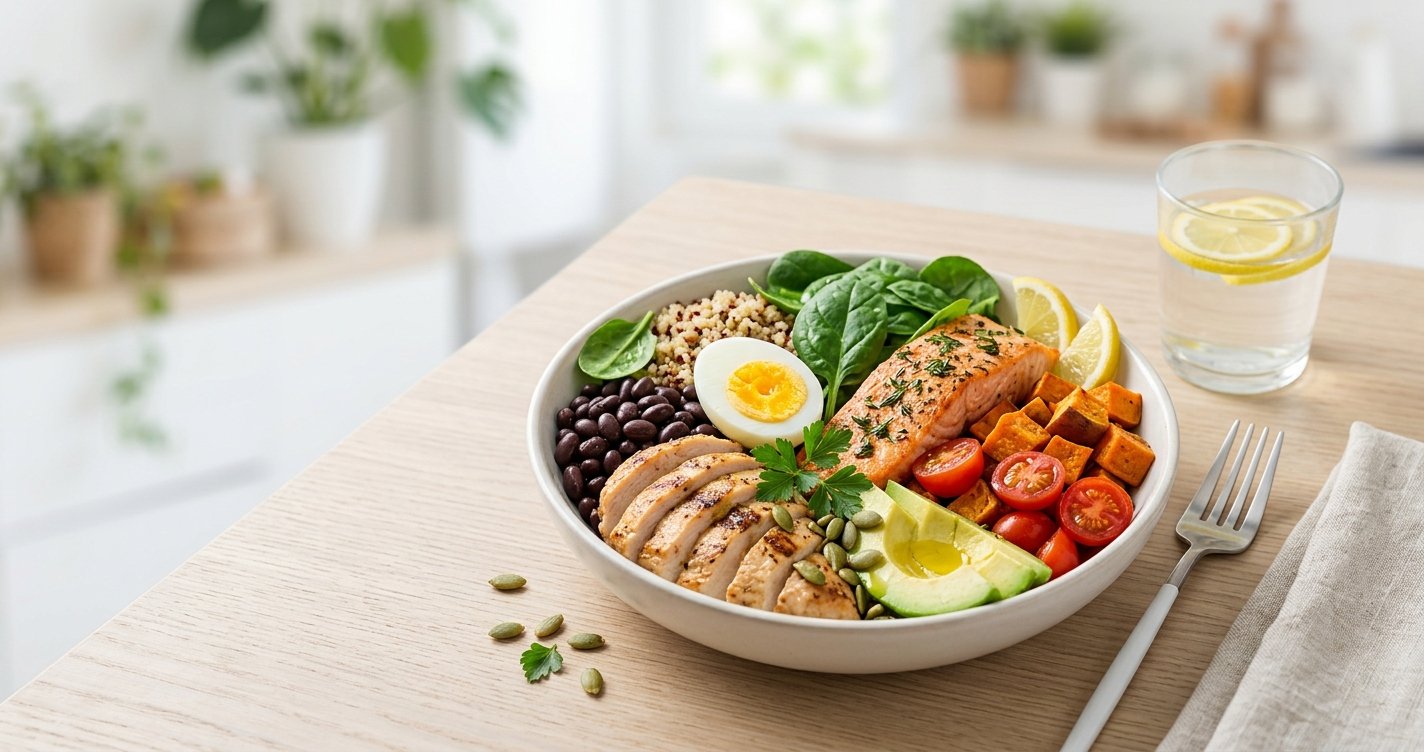
Protein Power for Sustainable Fat Loss: Your Ultimate Guide to Fueling Your Body Right
Are you on a journey to shed those stubborn extra pounds, feeling like you're constantly battling hunger or worried about losing precious muscle along the way? If so, you're not alone! The world of fat loss advice can often feel overwhelming, but there's one nutrient that consistently stands out as a true game-changer: protein. Far from just being for bodybuilders, protein is your secret weapon for achieving sustainable fat loss, maintaining a healthy metabolism, and feeling great while doing it.
In this comprehensive guide, we'll dive deep into the science-backed reasons why protein is crucial for your fat loss journey, how much you truly need, and the best ways to incorporate it into your daily life. Get ready to unlock the power of protein and transform your approach to a leaner, healthier you! this excellent wellness product
The Protein Advantage: Why It's Your Fat Loss MVP
Think of protein as the ultimate multi-tasker for your body, especially when you're aiming for fat loss. While carbohydrates provide quick energy and fats are essential for hormone production and nutrient absorption, protein plays a unique role that directly supports your goals. Its benefits are multi-faceted, working synergistically to make your fat loss journey smoother and more effective.
Here’s why protein is considered the Most Valuable Player in the fat loss game:
- Enhanced Satiety: It keeps you feeling fuller for longer, naturally reducing your overall calorie intake.
- Increased Thermic Effect: Your body burns more calories digesting protein compared to other macronutrients.
- Muscle Preservation: Crucial for maintaining lean muscle mass, which is vital for a healthy metabolism, especially in a calorie deficit.
Satiety Secrets: How Protein Keeps You Fuller, Longer
One of the biggest hurdles in any fat loss journey is managing hunger. Cravings and a rumbling stomach can quickly derail even the best intentions. This is where protein truly shines! Protein has a remarkable ability to increase satiety – that feeling of fullness and satisfaction – more effectively than carbohydrates or fats.
How does it work? When you consume protein, it triggers the release of specific gut hormones, like GLP-1 and PYY, which signal to your brain that you're full and satisfied. Simultaneously, it helps to suppress ghrelin, often called the 'hunger hormone.' This powerful hormonal interplay means that a high-protein meal can significantly reduce your desire to eat more, making it easier to stick to your calorie goals without feeling deprived.
Imagine eating a meal and feeling genuinely content for hours afterward, without the urge to snack unnecessarily. That's the protein advantage at play!
Metabolic Boost: The Thermic Effect of Food (TEF) and Protein
Did you know your body actually burns calories just to digest, absorb, and process the food you eat? This phenomenon is known as the Thermic Effect of Food (TEF), and it's a small but significant contributor to your daily calorie expenditure. And guess which macronutrient has the highest TEF?
You guessed it – protein! While carbohydrates have a TEF of about 5-10% and fats around 0-3%, protein boasts a TEF of 20-30%. This means that for every 100 calories of protein you consume, your body expends 20-30 calories just to process it. In practical terms, incorporating more protein into your diet means you're burning more calories passively, simply by eating. Over time, these extra calories burned can add up, giving you a subtle yet powerful metabolic edge in your fat loss efforts.
Muscle Matters: Preserving Lean Mass While Losing Fat
When you're in a calorie deficit – consuming fewer calories than your body burns – your body needs to tap into its stored energy reserves. Ideally, we want it to primarily burn fat. However, without adequate protein, there's a risk that your body might also break down muscle tissue for energy. Losing muscle is detrimental to fat loss for several reasons:
- Lower Resting Metabolic Rate: Muscle is metabolically active, meaning it burns more calories at rest than fat tissue. Losing muscle slows down your metabolism, making it harder to lose weight and easier to regain it.
- Reduced Strength and Function: Less muscle means less strength, impacting your ability to exercise effectively and perform daily activities.
- Poorer Body Composition: Even if the scale goes down, losing muscle alongside fat can leave you with a 'skinny fat' appearance, rather than the toned physique you desire.
Consuming enough protein provides your body with the amino acids it needs to repair and build muscle, signaling to your body to hold onto that precious lean mass even while you're shedding fat. This is especially crucial if you're also engaging in strength training, which further stimulates muscle protein synthesis.
How Much Protein Do You Really Need for Fat Loss?
While the exact amount can vary based on factors like your activity level, age, and current body composition, research provides some excellent guidelines for optimal protein intake during fat loss. General recommendations for individuals actively trying to lose fat range from 1.6 to 2.2 grams of protein per kilogram of body weight (or 0.7 to 1.0 grams per pound of lean body mass) per day.
Let's put that into perspective:
- If you weigh 70 kg (about 154 lbs), aiming for 1.6-2.2 g/kg would mean 112-154 grams of protein per day.
- If you're more active or have a significant amount of muscle to preserve, you might lean towards the higher end of that range.
Don't get too caught up in precise calculations initially. A good starting point is to simply prioritize a source of lean protein at every meal and snack, and then adjust as you become more attuned to your body's needs and progress.
Smart Protein Sources: Making Delicious and Nutritious Choices
The good news is that there are countless delicious ways to boost your protein intake. The key is to choose high-quality, whole food sources whenever possible. Here are some excellent options:
Animal-Based Protein Sources:
- Lean Meats: Chicken breast, turkey breast, lean cuts of beef (sirloin, round), pork loin.
- Fish & Seafood: Salmon (rich in omega-3s!), tuna, cod, shrimp, scallops.
- Eggs: A complete protein source, versatile and affordable.
- Dairy: Greek yogurt, cottage cheese, milk, kefir (opt for lower-fat versions to manage calories).
Plant-Based Protein Sources:
- Legumes: Lentils, black beans, chickpeas, kidney beans (great in soups, salads, and curries).
- Soy Products: Tofu, tempeh, edamame (versatile for stir-fries, scrambles, and snacks).
- Grains: Quinoa, oats (contain more protein than other grains).
- Nuts & Seeds: Almonds, peanuts, chia seeds, flax seeds, pumpkin seeds (in moderation due to higher calorie density).
- Protein Powders: Whey, casein, pea, soy, or mixed plant-based proteins can be convenient supplements, especially for busy individuals or post-workout.
Timing and Spacing: Optimizing Your Protein Intake Throughout the Day
It's not just about how much protein you eat, but also when and how you distribute it. While total daily intake is paramount, spreading your protein consumption evenly across your meals and snacks can maximize its benefits for satiety and muscle preservation.
Aim for roughly 20-40 grams of protein per main meal (breakfast, lunch, dinner) and include smaller protein portions in your snacks. This approach helps to:
- Sustain satiety throughout the day, preventing extreme hunger that can lead to overeating.
- Provide a steady supply of amino acids for continuous muscle protein synthesis, particularly important if you're strength training.
Starting your day with a protein-rich breakfast, for example, can set you up for success by reducing morning cravings and keeping you full until lunch.
Embrace the Power of Protein for a Healthier You!
Congratulations! You've just unlocked one of the most powerful and evidence-based strategies for sustainable fat loss. Protein isn't just a buzzword; it's a fundamental nutrient that empowers your body to feel full, boost its metabolism, and protect its valuable muscle mass while you're shedding fat.
Remember, fat loss is a journey, not a sprint. While protein is a crucial piece of the puzzle, it works best when combined with a slight calorie deficit, regular physical activity (especially strength training), and a balanced intake of other whole foods. Start by making small, consistent changes: add an extra serving of protein to your meals, choose protein-rich snacks, and experiment with new sources.
By consciously increasing your protein intake, you're not just aiming for a number on the scale; you're investing in your energy levels, your metabolic health, and your overall well-being. Fuel your body right, and watch as you transform into a leaner, stronger, and more vibrant version of yourself. You've got this!