Ever felt like you're doing everything right for fat loss – eating less, moving more – but the needle just isn't budging, or worse, you're constantly battling hunger and cravings? What if we told you there's a powerful macronutrient that could be your secret weapon, not just for shedding unwanted fat, but for sustaining those results long-term and feeling great while doing it? Enter protein, the unsung hero of sustainable fat loss.
Often overshadowed by debates about carbs and fats, protein plays an absolutely critical role in how your body manages weight, preserves muscle, and even feels full. It’s not just for bodybuilders; it’s for anyone looking to achieve a leaner, stronger, and healthier physique. In this comprehensive guide, we're going to dive deep into the world of protein, backed by science, to show you exactly how to optimize your intake for maximum fat loss, muscle preservation, and lasting success. Get ready to unlock the protein power play! this excellent wellness product
Why Protein is Your Secret Weapon for Fat Loss
Protein isn't just building blocks for your muscles; it's a metabolic powerhouse with several distinct advantages when you're aiming for fat loss. Understanding these benefits is the first step to harnessing its full potential.
The Satiety Factor: Feeling Fuller, Longer
One of the biggest challenges in any fat loss journey is managing hunger. Cravings and the constant feeling of emptiness can derail even the best intentions. This is where protein truly shines. Protein is by far the most satiating macronutrient. When you consume protein, it sends signals to your brain that help reduce appetite and increase feelings of fullness. This means you're less likely to overeat at subsequent meals or snack unnecessarily, naturally leading to a reduction in overall calorie intake without feeling deprived.
- Reduced Ghrelin: Protein helps suppress ghrelin, the "hunger hormone."
- Increased GLP-1 and PYY: It boosts hormones that promote fullness.
- Sustained Energy: Slow digestion prevents rapid blood sugar spikes and crashes, keeping energy levels stable.
Boosting Your Metabolism: The Thermic Effect of Food (TEF)
Did you know that your body burns calories just by digesting and processing the food you eat? This is known as the Thermic Effect of Food (TEF), and protein has the highest TEF of all macronutrients. While carbohydrates have a TEF of 5-10% and fats have 0-3%, protein boasts a TEF of 20-30%. This means that for every 100 calories of protein you consume, your body uses 20-30 calories just to process it. While not a massive calorie burner on its own, this effect adds up over time and contributes to a higher daily energy expenditure, subtly aiding your fat loss efforts.
Muscle Preservation: The Key to a Healthy Metabolism
When you're in a calorie deficit to lose fat, your body doesn't always discriminate between fat and muscle. Unfortunately, muscle tissue can also be lost, which is counterproductive. Muscle is metabolically active, meaning it burns more calories at rest than fat tissue. Losing muscle can slow down your metabolism, making it harder to lose fat and easier to regain it. Adequate protein intake is crucial for preserving lean muscle mass during a calorie deficit. It provides the amino acids necessary for muscle repair and synthesis, signaling your body to hold onto that precious muscle, ensuring that the weight you lose is primarily fat.
How Much Protein Do You Really Need?
This is a common question, and the answer isn't a one-size-fits-all. While the Recommended Dietary Allowance (RDA) for protein is 0.8 grams per kilogram of body weight, this is generally considered the minimum to prevent deficiency, not necessarily optimal for fat loss or muscle preservation. For those actively trying to lose fat, higher protein intake is often recommended.
General Guidelines vs. Individual Needs
For most individuals aiming for fat loss and muscle preservation, a target of 1.6 to 2.2 grams of protein per kilogram of body weight (or 0.7 to 1.0 grams per pound of body weight) is a good starting point. For example, a person weighing 70 kg (154 lbs) would aim for approximately 112-154 grams of protein per day.
However, your individual needs can vary based on several factors:
- Activity Level: If you're highly active, especially with resistance training, your protein needs will be on the higher end to support muscle repair and growth.
- Age: As we age, our bodies become less efficient at utilizing protein (a phenomenon called anabolic resistance), meaning older adults may benefit from higher protein intake to maintain muscle mass.
- Current Body Composition: If you have a significant amount of weight to lose, basing your protein target on your lean body mass or ideal body weight can be more appropriate than total body weight.
Don't get too caught up in hitting an exact number every single day. Aim for consistency over time, focusing on getting a good amount with each meal.
Smart Strategies to Boost Your Protein Intake
Now that you know why and how much, let's talk about the practical "how." Incorporating more protein into your daily diet doesn't have to be bland or complicated.
Prioritize Protein at Every Meal
Instead of just adding protein to your plate, make it the star. Aim to include a significant source of protein in breakfast, lunch, and dinner. This helps distribute your intake throughout the day, maximizing its satiety and muscle-preserving benefits.
- Breakfast: Eggs, Greek yogurt, cottage cheese, protein powder in a smoothie, lean sausage.
- Lunch/Dinner: Chicken breast, fish (salmon, cod), lean beef, turkey, tofu, lentils, beans, edamame.
Smart Snacking Choices
If you're prone to snacking, make those choices work for you. Ditch the sugary, carb-heavy snacks that lead to energy crashes and opt for protein-rich alternatives.
- Hard-boiled eggs
- A handful of almonds or walnuts
- Greek yogurt with berries
- Cottage cheese
- Jerky (check for low sugar options)
- Protein bar (choose wisely, look for low sugar/high protein)
Don't Forget Plant-Based Power
You don't need to eat meat to hit your protein goals. Plant-based protein sources are abundant and offer additional fiber and micronutrients.
- Lentils, chickpeas, black beans
- Tofu, tempeh, edamame
- Quinoa
- Nuts and seeds (chia, flax, hemp)
- Seitan
- Certain vegetables like broccoli and spinach also contribute small amounts.
The Role of Protein Supplements (When & How)
While whole foods should always be your primary source of protein, supplements like whey, casein, or plant-based protein powders can be incredibly convenient, especially when you're busy or struggling to meet your daily targets. They are not magic pills but a tool to help bridge the gap. Use them after workouts, as part of a quick breakfast smoothie, or as a snack.
Putting It All Together: A Day of Protein-Rich Eating
Here’s a snapshot of what a high-protein day could look like to inspire your meal planning:
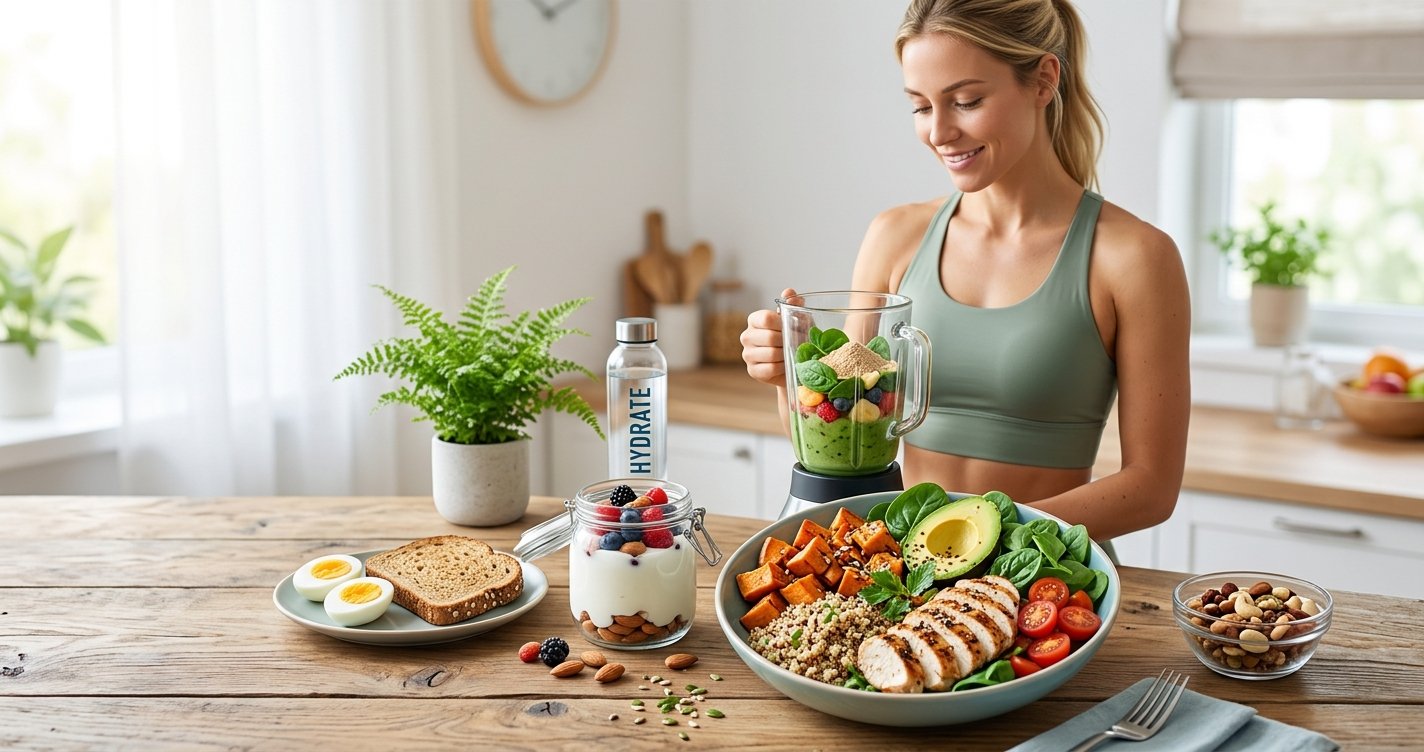
- Breakfast: Scrambled eggs (3-4 large) with spinach and a slice of whole-grain toast (or avocado) OR a Greek yogurt bowl with berries and a sprinkle of nuts.
- Lunch: Large salad with grilled chicken breast (150-200g) or chickpeas/lentils, mixed greens, and a light vinaigrette.
- Snack: Cottage cheese with sliced bell peppers OR a handful of almonds.
- Dinner: Baked salmon (150-200g) with roasted broccoli and quinoa OR lean ground turkey stir-fry with plenty of vegetables.
Remember, variety is key to ensure you're getting a broad spectrum of amino acids and other essential nutrients.
Common Protein Myths Debunked
There's a lot of misinformation out there about protein. Let's clear up a couple of common concerns:
- "Too much protein is bad for your kidneys." For healthy individuals with normal kidney function, there is no scientific evidence that a high-protein diet causes kidney damage. If you have pre-existing kidney disease, consult your doctor.
- "Protein makes you bulky." Protein helps build and preserve muscle, but "bulkiness" is primarily a result of high calorie intake and specific training regimens, not just protein alone. For most people, adequate protein supports a lean, toned physique.
Beyond the Plate: Consistency and Mindset
While protein is a powerful ally, remember that sustainable fat loss is a holistic journey. Consistency in your dietary choices, regular physical activity (including strength training!), adequate sleep, and managing stress all play crucial roles. Protein provides a fantastic foundation, but it works best when integrated into a healthy lifestyle.
Embrace the Protein Power Play for Lasting Results!
You now have the knowledge and strategies to leverage protein for your fat loss goals. By prioritizing protein, you'll feel fuller, boost your metabolism, and protect your precious muscle mass, making your journey more effective and enjoyable. It's not about restriction; it's about smart, evidence-based nutrition that empowers you to achieve sustainable results. Start making protein your priority today, and watch your body transform!