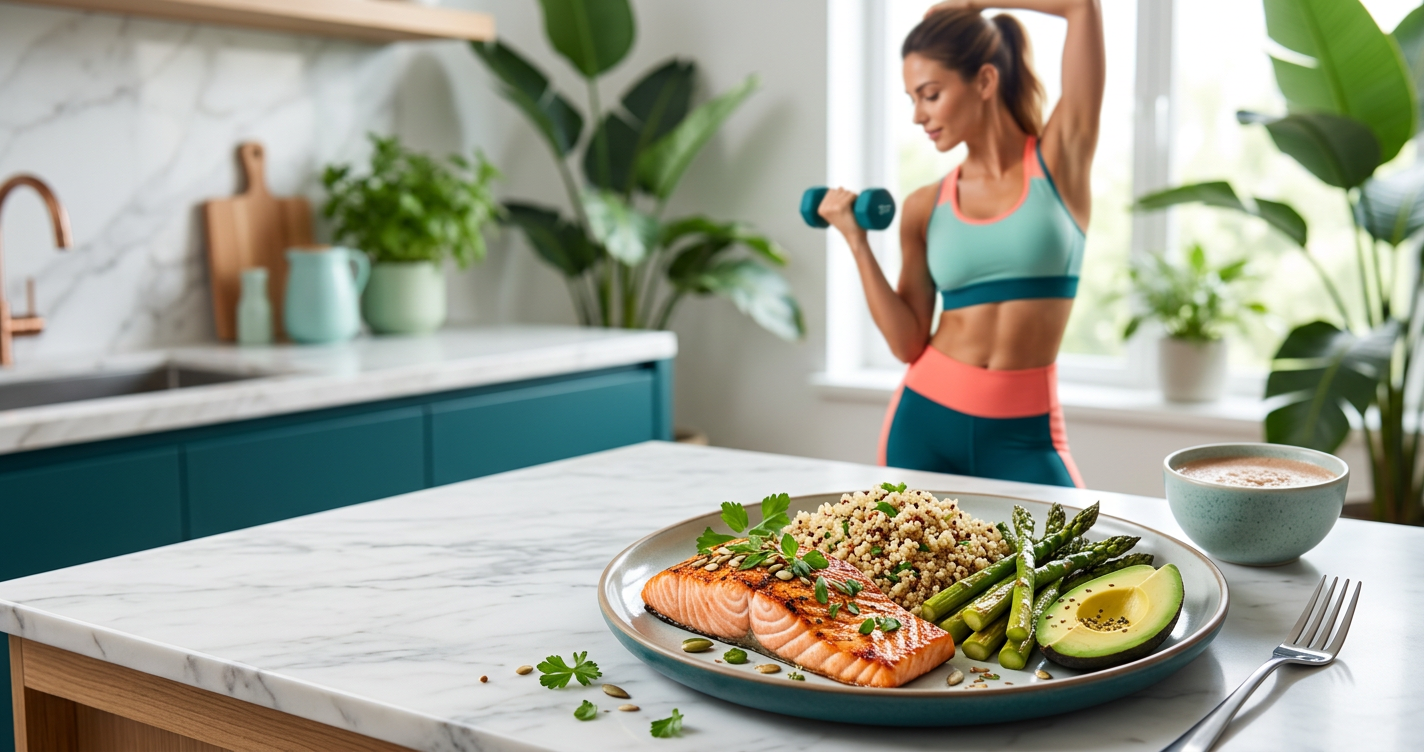
Are you navigating the often-confusing world of fat loss, feeling like you've tried everything with mixed results? What if we told you there's one powerful macronutrient that could be your secret weapon for not just shedding fat, but doing it sustainably while keeping your hard-earned muscle? Enter protein – the true MVP of a successful fat loss journey.
It's more than just for bodybuilders; protein plays a critical role in how your body manages weight, feels full, and maintains a healthy metabolism. In this guide, we'll dive deep into the science-backed reasons why protein is indispensable for fat loss, how much you really need, and practical, friendly ways to integrate more of this powerhouse nutrient into your daily life. Get ready to empower your fat loss journey with the protein advantage! this excellent wellness product
Why Protein is Your Fat Loss MVP: The Triple Threat
When it comes to losing fat, protein isn't just another nutrient; it's a strategic ally. Its benefits are multifaceted, working synergistically to create an optimal environment for fat loss while safeguarding your precious muscle mass. Let's break down its 'triple threat' power:
1. The Satiety Secret: Protein Keeps You Fuller, Longer
One of the biggest challenges in fat loss is managing hunger and cravings. This is where protein shines! Protein is renowned for its ability to increase satiety, meaning it helps you feel full and satisfied for extended periods. When you consume protein, it triggers the release of specific gut hormones, like GLP-1 and PYY, which signal to your brain that you're fed and content. This leads to:
- Reduced Overall Calorie Intake: By keeping hunger at bay, you're less likely to overeat or snack impulsively throughout the day.
- Fewer Cravings: Stable blood sugar levels, often supported by adequate protein, help prevent those sudden, intense urges for sugary or high-fat foods.
Think about it: a breakfast high in protein (like eggs or Greek yogurt) will likely keep you satisfied longer than a sugary pastry, making it easier to stick to your calorie goals.
2. Boost Your Burn: The Thermic Effect of Food (TEF)
Did you know that your body expends energy just to digest, absorb, and metabolize the food you eat? This is called the Thermic Effect of Food (TEF), and protein has the highest TEF of all macronutrients. Here’s a quick comparison:
- Protein: 20-30% of its calories are burned during digestion.
- Carbohydrates: 5-10% of its calories are burned during digestion.
- Fats: 0-3% of its calories are burned during digestion.
This means that for every 100 calories of protein you consume, your body uses 20-30 of those calories just to process it. While this might seem like a small number per meal, it adds up significantly over days, weeks, and months, contributing to a higher overall daily calorie expenditure. It's like a metabolic mini-workout just from eating!
3. Muscle Matters: Preserving Lean Mass While Losing Fat
When you're in a calorie deficit to lose fat, your body can sometimes break down muscle tissue for energy, alongside fat. This is something we want to avoid because muscle is metabolically active – it burns more calories at rest than fat does. Losing muscle can slow down your metabolism, making future fat loss harder and increasing the chances of regaining weight.
Adequate protein intake is crucial for muscle preservation. Protein provides the essential amino acids your body needs to repair and build muscle tissue. When you consume enough protein, especially in conjunction with strength training, you send a strong signal to your body to hold onto that valuable muscle, ensuring that the weight you lose is primarily fat. This helps you achieve a more toned physique and maintain a higher resting metabolic rate.
How Much Protein Do You Actually Need for Optimal Fat Loss?
While general guidelines for protein intake exist, for fat loss, you'll want to aim for the higher end of the spectrum. Current evidence suggests that for active individuals looking to lose fat and preserve muscle, an intake of:
- 1.6 to 2.2 grams of protein per kilogram of body weight (or approximately 0.7 to 1 gram per pound of body weight) per day is optimal.
For example, if you weigh 150 lbs (approx. 68 kg), you'd aim for roughly 105 to 150 grams of protein per day. This might sound like a lot, but it's entirely achievable with smart food choices. It's also important to distribute your protein intake throughout the day, aiming for 20-40 grams per meal to maximize muscle protein synthesis.
Is too much protein harmful? For healthy individuals, current research indicates that high protein intakes (even above 2.2g/kg) are generally safe and not detrimental to kidney health. However, if you have pre-existing kidney conditions, always consult with a healthcare professional.
Smart Strategies to Power Up Your Plate
Now that you know why protein is so important, let's talk about how to effortlessly boost your intake:
1. Prioritize Protein at Every Meal
Make protein the star of your plate. Instead of an afterthought, consciously build your meals around a quality protein source. This ensures you hit your daily targets and reap the satiety benefits consistently.
2. Embrace Lean Protein Sources
Focus on whole, unprocessed protein foods that are naturally lower in saturated fat and calories:
- Animal Sources: Chicken breast, turkey, lean beef, fish (salmon, tuna, cod), eggs, Greek yogurt, cottage cheese.
- Plant Sources: Lentils, beans, chickpeas, tofu, tempeh, edamame, quinoa, seitan, protein-rich vegetables (broccoli, spinach).
3. Smart Snacking
Swap out sugary or carb-heavy snacks for protein-packed alternatives:
- A handful of almonds or walnuts
- Hard-boiled eggs
- Greek yogurt with berries
- Cottage cheese
- Protein smoothie
- Beef jerky (low-sugar varieties)
4. Don't Fear Supplements (When Appropriate)
While whole foods should always be your primary source, protein supplements can be a convenient and effective way to hit your protein goals, especially when you're busy or struggling to get enough through diet alone. Whey protein, casein protein, and plant-based protein powders (pea, rice, soy) are popular choices.
5. Meal Prep for Success
Dedicate some time each week to prepare protein sources in advance. Cook a batch of chicken breast, hard-boil eggs, or pre-portion Greek yogurt. Having readily available protein makes healthy choices much easier.
Beyond Protein: A Holistic Approach to Lasting Results
While protein is a mighty ally, remember that it's part of a bigger picture. For sustainable fat loss and overall well-being, integrate these complementary habits:
- Strength Training: Lifting weights is essential for building and maintaining muscle mass, further boosting your metabolism.
- Adequate Sleep: Poor sleep can disrupt hormones that regulate hunger and satiety, making fat loss harder. Aim for 7-9 hours per night.
- Hydration: Drinking enough water supports metabolism and can sometimes be mistaken for hunger.
- Stress Management: Chronic stress can lead to increased cortisol levels, which can hinder fat loss.
- Balanced Nutrition: Don't forget healthy fats and plenty of fiber-rich vegetables and fruits for essential vitamins, minerals, and overall health.
Your Journey to a Stronger, Leaner You
Embracing protein as a cornerstone of your fat loss strategy isn't about deprivation or complex diets; it's about smart, evidence-based nutrition that empowers your body to work with you, not against you. By prioritizing protein, you'll feel more satisfied, burn more calories, and protect your muscle, paving the way for sustainable fat loss and a healthier, stronger you.
Start small, make conscious choices, and watch as the power of protein transforms your fat loss journey. You've got this!