Are you on a journey to shed those stubborn pounds, but feel like you're constantly battling hunger, cravings, and a sluggish metabolism? You're not alone! Fat loss can often feel like a puzzle with many missing pieces. But what if one of the most crucial pieces was right under your nose, often overlooked in the pursuit of the latest diet trend?
We're talking about protein – the unsung hero of sustainable fat loss. Forget the restrictive fads and endless cardio; embracing the power of protein is an evidence-based strategy that can transform your fat loss efforts, making them more effective, enjoyable, and lasting. Let's dive into why this macronutrient is your ultimate ally in achieving a leaner, healthier you, without feeling deprived. this excellent wellness product
Why Protein is Your Best Friend for Fat Loss
Protein isn't just for bodybuilders. It's essential for everyone, especially when you're aiming for fat loss. Its unique properties work synergistically to create an environment where your body is primed to burn fat, preserve muscle, and keep you feeling great.
The Satiety Superstar: Feeling Fuller, Longer
One of the biggest challenges in any fat loss journey is managing hunger and cravings. This is where protein shines brightest! Protein is incredibly satiating, meaning it helps you feel full and satisfied for longer periods compared to carbohydrates or fats. When you incorporate ample protein into your meals, you're less likely to experience those dreaded mid-afternoon energy crashes or succumb to unhealthy snacking between meals. This isn't just anecdotal; numerous studies confirm protein's superior ability to reduce appetite and food intake, making it easier to stick to a calorie deficit without feeling constantly hungry.
Imagine enjoying your meals, feeling genuinely satisfied, and not constantly thinking about your next snack. That's the power of protein in action, helping you naturally consume fewer calories without the constant battle of willpower.
Boosting Your Metabolism: The Thermic Effect of Food (TEF)
Did you know that your body burns calories just to digest and process the food you eat? This is called the Thermic Effect of Food (TEF), and protein has the highest TEF of all macronutrients. While fats have a TEF of 0-3% and carbohydrates 5-10%, protein boasts a TEF of 20-30%! This means that for every 100 calories of protein you consume, your body uses 20-30 calories just to break it down. While this might seem small, it adds up over the course of a day, week, and month, giving you a consistent metabolic boost that supports fat loss.
Think of it as a small, continuous internal workout happening just by eating! This metabolic advantage makes protein an invaluable tool in accelerating your fat loss journey.
Muscle Protection: Don't Lose What You've Built!
When you're in a calorie deficit to lose fat, your body can sometimes break down muscle tissue for energy, alongside fat. This is a common pitfall, as losing muscle can actually slow down your metabolism (muscle burns more calories at rest than fat) and make you look 'skinny fat' instead of lean and toned. A higher protein intake is crucial for preserving your precious lean muscle mass during fat loss.
By providing your body with a steady supply of amino acids (the building blocks of protein), you signal to your body to hold onto muscle while primarily tapping into fat stores for energy. Maintaining or even building muscle while losing fat is the holy grail of body recomposition, and protein is your key player here.
Curbing Cravings and Stabilizing Blood Sugar
Beyond general satiety, protein plays a significant role in managing specific cravings, especially for sugary or carb-heavy foods. By slowing down digestion and promoting a more gradual rise in blood sugar, protein helps prevent the sharp spikes and crashes that often trigger intense cravings. Stable blood sugar means stable energy levels and a significantly reduced urge to reach for unhealthy snacks, making your diet easier to manage and more sustainable.
How Much Protein Do You Really Need?
The exact amount of protein you need can vary based on several factors, including your activity level, age, current body weight, and specific fat loss goals. However, general recommendations for fat loss are often higher than for general health.
General Guidelines vs. Individual Needs
- For most active individuals aiming for fat loss: A common recommendation is to consume between 1.6 to 2.2 grams of protein per kilogram of body weight (or 0.7 to 1.0 grams per pound of body weight) per day.
- Sedentary individuals: Might aim for the lower end of this range, perhaps 1.2-1.6 g/kg.
- Higher activity levels or significant calorie deficit: May benefit from the higher end to maximize muscle preservation.
For example, if you weigh 70 kg (about 154 lbs) and are active, aiming for 1.8 g/kg would mean around 126 grams of protein per day. This might sound like a lot, but it's very achievable with smart food choices.
Simple Ways to Estimate Your Intake
Don't get bogged down in precise calculations initially. A good starting point is to ensure a palm-sized portion of lean protein at every main meal, and then add protein-rich snacks. Over time, you can use tracking apps to get a more accurate picture.
Practical Strategies to Boost Your Protein Intake
Increasing your protein intake doesn't have to be complicated or boring. Here are some simple, delicious ways to make it a seamless part of your daily routine:
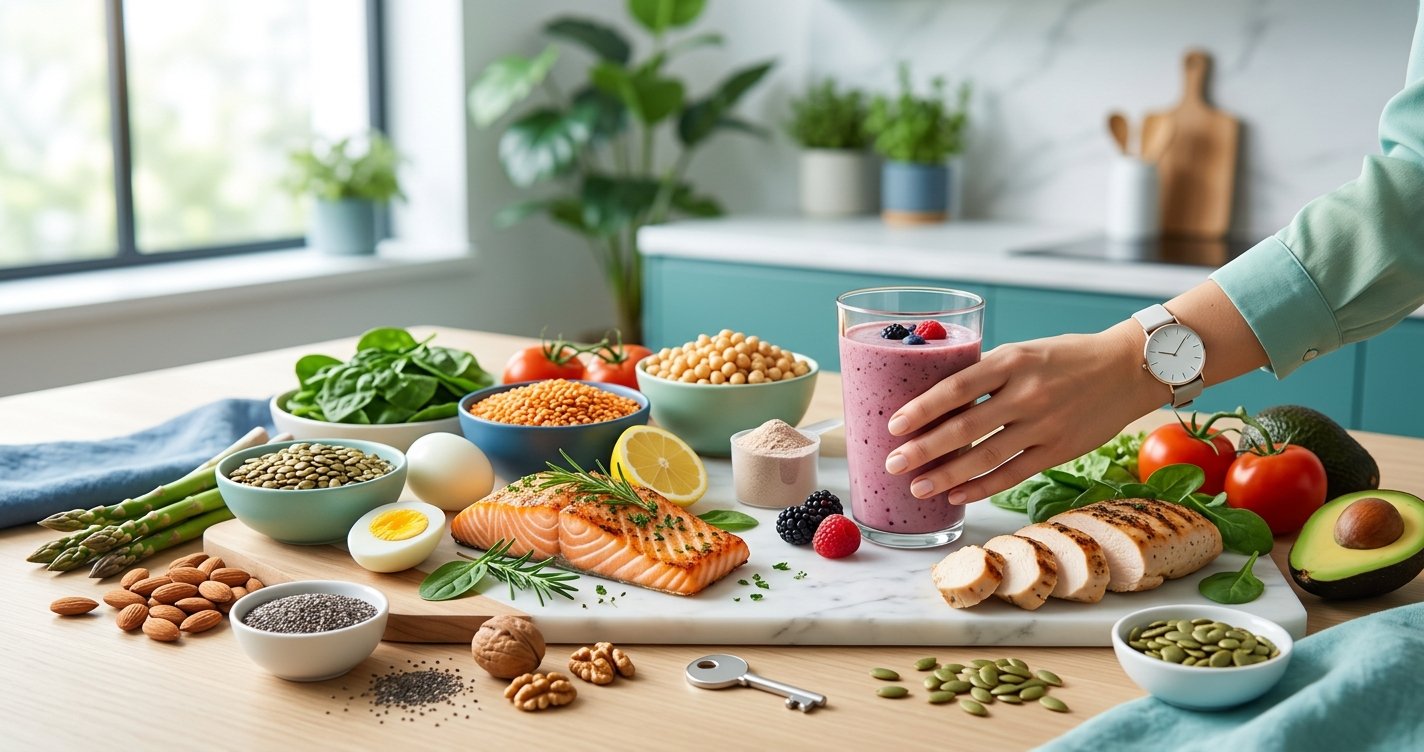
- Prioritize Protein at Every Meal: Make protein the star of your plate. For breakfast, think Greek yogurt, eggs, cottage cheese, or a protein smoothie. Lunch and dinner can feature lean meats (chicken, turkey, lean beef), fish, tofu, tempeh, or lentils.
- Smart Snacking Choices: Ditch the chips and cookies. Opt for protein-packed snacks like hard-boiled eggs, a handful of almonds, string cheese, edamame, or a small serving of Greek yogurt.
- Don't Forget the Plant-Based Power! If you follow a vegetarian or vegan diet, there are plenty of excellent protein sources: lentils, beans, chickpeas, quinoa, tofu, tempeh, edamame, seitan, nuts, and seeds. Combining different plant proteins throughout the day ensures you get all essential amino acids.
- The Role of Supplements (When & Why): Protein powders (whey, casein, plant-based) can be a convenient way to boost your intake, especially post-workout or when you're short on time. They are supplements, not meal replacements, but can be incredibly helpful in hitting your daily targets.
Common Misconceptions About Protein and Fat Loss
Let's clear up some common myths that might be holding you back from embracing protein fully.
"Too Much Protein Will Hurt My Kidneys"
For healthy individuals with no pre-existing kidney conditions, high protein intake (even up to 2.2 g/kg of body weight) has not been shown to cause kidney damage. In fact, studies suggest it's safe and beneficial for fat loss. If you have kidney disease, always consult your doctor or a registered dietitian before making significant dietary changes.
"Protein Makes Me Bulky"
This is a common concern, especially among women. Eating protein alone does not make you bulky. Building significant muscle mass requires intense strength training, a specific calorie surplus, and often specific hormonal profiles. Protein helps preserve the muscle you have and develop a lean, toned physique, not a bulky one.
"All Protein is Created Equal"
While all protein is beneficial, some sources are more complete and nutrient-dense than others. Lean animal proteins (chicken breast, fish, eggs) and dairy are considered 'complete' proteins, containing all essential amino acids. Plant-based proteins can also provide all essential amino acids when combined correctly (e.g., rice and beans). Focus on a variety of lean, whole food protein sources.
Putting It All Together: Your High-Protein Fat Loss Plan
Embracing a higher protein intake for fat loss isn't about deprivation; it's about strategic nutrition that supports your body and goals. Here’s a summary of what you can do:
- Calculate Your Target: Aim for 1.6-2.2 grams of protein per kilogram of body weight.
- Spread It Out: Distribute your protein intake evenly across all your meals and snacks to maximize satiety and muscle protein synthesis.
- Choose Wisely: Opt for lean, whole food protein sources.
- Stay Hydrated: Drinking plenty of water is always important, especially with a higher protein intake.
- Combine with Strength Training: For optimal results, pair your high-protein diet with regular strength training to build and preserve muscle.
Remember, fat loss is a journey, not a race. By making protein a cornerstone of your diet, you're not just losing weight; you're building a healthier, stronger, and more resilient body. This evidence-based approach will empower you to feel more in control of your hunger, boost your metabolism, and preserve the muscle that gives you that toned look. So, go ahead – embrace the power of protein and unlock a more sustainable, satisfying path to your fat loss goals!
Ready to transform your approach to fat loss? Start by making protein a priority in your next meal!