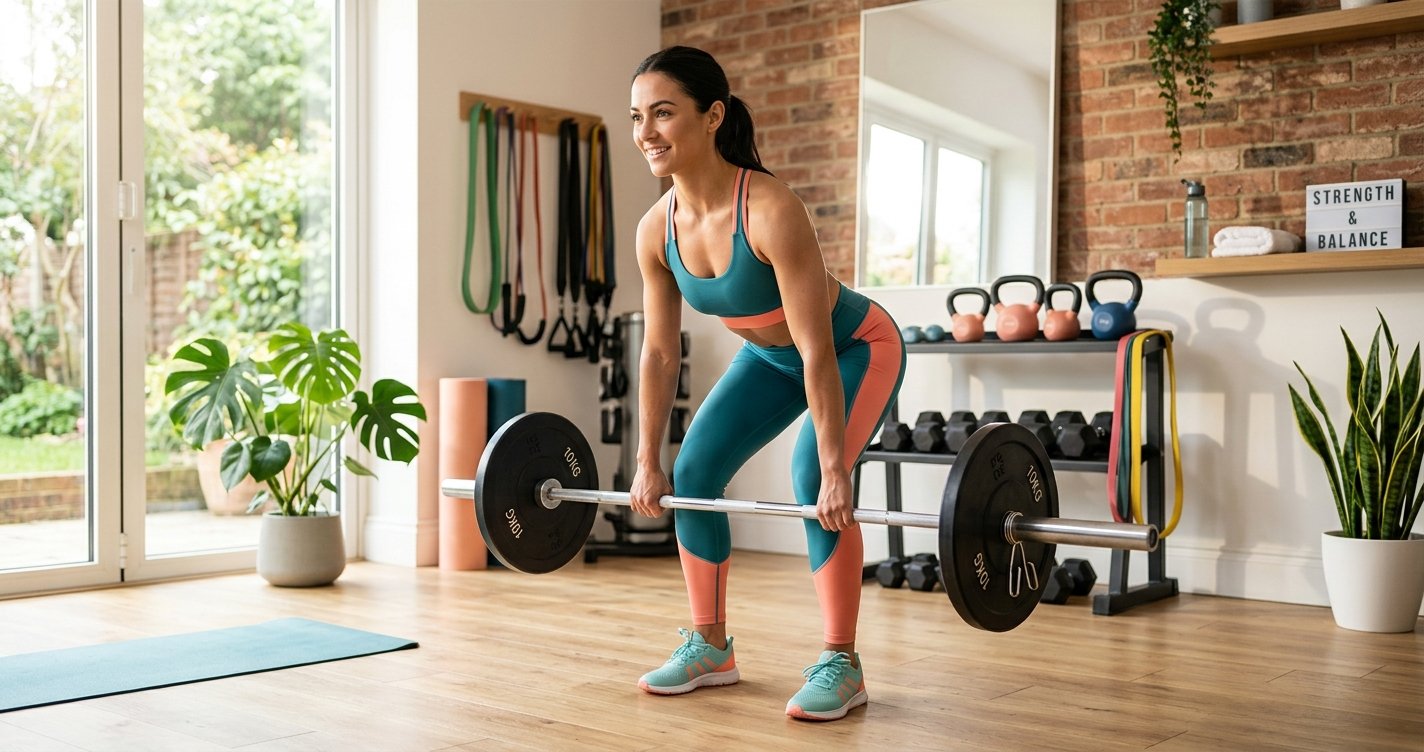
Are you tired of the endless cycle of restrictive diets and grueling cardio sessions that promise fat loss but deliver only frustration? What if we told you there’s a powerful, often overlooked secret weapon in your fat loss arsenal – one that not only sheds fat but also sculpts your body, boosts your metabolism, and enhances your overall well-being? Welcome to the world of strength training.
For too long, strength training has been unfairly pigeonholed as an activity solely for bodybuilders or athletes. The truth is, it’s arguably the most effective and sustainable strategy for long-term fat loss, regardless of your age, gender, or current fitness level. Forget endless hours on the treadmill; it’s time to discover how building muscle can fundamentally change your body’s ability to burn fat, even when you’re resting. this excellent wellness product
Beyond the Treadmill: Why Strength Training is Your Fat Loss Secret Weapon
While cardio has its place, it often falls short as the primary driver for sustainable fat loss. Strength training, on the other hand, offers a multifaceted approach that tackles fat from several angles. It’s not just about burning calories during your workout; it’s about transforming your body into a more efficient fat-burning machine 24/7.
The Metabolism Makeover: Muscle Burns More Calories
This is the cornerstone of strength training’s fat loss power. Muscle tissue is metabolically much more active than fat tissue. This means that even at rest, your muscles are constantly burning calories to maintain themselves. Think of it like this: the more muscle you have, the higher your Resting Metabolic Rate (RMR) will be. Even a modest increase in muscle mass can significantly elevate your daily calorie expenditure, making it easier to create the calorie deficit needed for fat loss without drastically cutting food intake.
Research consistently shows that individuals with more muscle mass have a higher RMR. This isn't just a slight difference; it’s a fundamental shift in how your body operates, turning you into a more efficient calorie burner around the clock. Instead of just burning calories for an hour during your workout, you're boosting your metabolism for the other 23 hours of the day too!
The “Afterburn” Effect: EPOC Explained
Have you ever felt warm and energized hours after a tough workout? That’s the “afterburn” effect, scientifically known as Excess Post-exercise Oxygen Consumption (EPOC). After intense strength training, your body continues to consume oxygen at an elevated rate to restore itself to its pre-exercise state. This recovery process requires energy, meaning your body continues to burn calories at an accelerated pace for hours, or even up to 48 hours, after you’ve left the gym.
While steady-state cardio offers some EPOC, it’s generally less pronounced and shorter-lived compared to the demands of strength training. Lifting heavy weights creates microscopic tears in your muscle fibers, which then need energy to repair and rebuild, contributing significantly to this prolonged calorie burn.
Sculpting Your Body: Body Recomposition
Fat loss isn’t just about the number on the scale; it's about body composition. You might lose weight but still feel “flabby” if you’re losing both fat and muscle. Strength training is unique in its ability to help you achieve body recomposition – simultaneously losing fat and building muscle. This means you can weigh the same or even slightly more, but look significantly leaner, firmer, and more toned.
By building muscle, you’re not just burning fat; you’re also shaping your physique. Your clothes will fit better, your posture will improve, and you’ll develop a more athletic and confident appearance. This visual progress can be incredibly motivating and a far more accurate measure of success than just the scale.
More Than Just Aesthetics: The Holistic Benefits of Lifting
The advantages of strength training extend far beyond just looking good. It’s a powerful tool for enhancing your overall health and quality of life.
Bone Health and Joint Support
As we age, bone density naturally declines, increasing the risk of osteoporosis. Strength training is a weight-bearing exercise that puts stress on your bones, stimulating them to become denser and stronger. This is crucial for preventing fractures and maintaining mobility later in life. Additionally, stronger muscles provide better support for your joints, reducing the risk of injury and alleviating discomfort.
Boosting Mood and Confidence
The physical benefits are just one part of the equation. Strength training is a fantastic mood booster. It releases endorphins, natural mood elevators, which can help reduce stress, anxiety, and symptoms of depression. The sense of accomplishment that comes from lifting heavier weights or mastering a new exercise is incredibly empowering, fostering a stronger sense of self-efficacy and body confidence.
Better Sleep and Energy Levels
Regular physical activity, including strength training, can significantly improve sleep quality. By expending energy during the day, your body is better prepared for restful sleep at night. Good sleep, in turn, is crucial for hormone regulation, recovery, and overall energy levels, creating a positive feedback loop that supports both your fat loss journey and daily vitality.
Getting Started: Your Strength Training Journey
Ready to embrace the power of strength training? Here’s how to begin safely and effectively.
Frequency and Intensity: What's Right for You?
For beginners, aiming for 2-3 full-body strength training sessions per week is an excellent starting point. This allows adequate time for muscle recovery and adaptation. Focus on compound movements – exercises that work multiple muscle groups simultaneously – like squats, deadlifts, push-ups, rows, and overhead presses. As you get stronger, you’ll want to incorporate the principle of progressive overload, gradually increasing the weight, repetitions, or sets over time to continue challenging your muscles.
Form Over Everything: Preventing Injury
Proper form is paramount. Start with lighter weights or even just your body weight to master the movement patterns. Watching instructional videos, using mirrors, or even hiring a certified personal trainer for a few sessions can be incredibly beneficial to ensure you’re performing exercises correctly and safely. Prioritizing form not only prevents injuries but also ensures you’re effectively targeting the intended muscles.
Fueling Your Muscles: Nutrition for Fat Loss and Muscle Gain
While strength training is key, nutrition plays a vital supporting role. To optimize fat loss and muscle gain, focus on a diet rich in whole, unprocessed foods. Prioritize adequate protein intake (around 0.7-1 gram per pound of body weight) to support muscle repair and growth. Don't fear healthy fats and complex carbohydrates; they provide the energy needed for your workouts and recovery. Remember, this isn't about extreme dieting, but about smart, sustainable fueling.
Common Myths Debunked
Let's clear up some common misconceptions that might be holding you back.
“Lifting Makes Women Bulky”
This is perhaps the most persistent myth. Women naturally have much lower levels of testosterone than men, making it extremely difficult to build significant muscle mass without specific training and dietary interventions (and often, pharmaceutical aid). Strength training for women leads to a lean, toned, and athletic physique, not a bulky one. Embrace the strength!
“You Need Hours in the Gym”
Quality over quantity! Effective strength training workouts can be done in as little as 30-45 minutes. Focusing on compound exercises with proper intensity and minimal rest between sets (if appropriate for your goals) can be incredibly efficient. Consistency with shorter, effective workouts trumps occasional, lengthy sessions.
Embrace the Process: It’s a Marathon, Not a Sprint
Sustainable fat loss through strength training is a journey, not a destination. It requires patience, consistency, and a shift in focus from purely the scale to celebrating non-scale victories. Notice how your clothes fit differently, how much stronger you feel, how your energy levels have improved, or how much more confident you've become. These are all powerful indicators of progress that the scale often overlooks.
There will be days when you feel strong and days when you feel less so. That’s normal. The key is to stay consistent, listen to your body, and celebrate every small victory along the way. Your body is capable of incredible things, and strength training is your path to unlocking its full potential.
Ready to Transform?
If you’re ready to ditch the restrictive diets and embrace a powerful, sustainable path to fat loss, it’s time to incorporate strength training into your routine. Not only will you shed unwanted fat, but you'll also build a stronger, healthier, and more confident you. Start today – your future self will thank you for it!