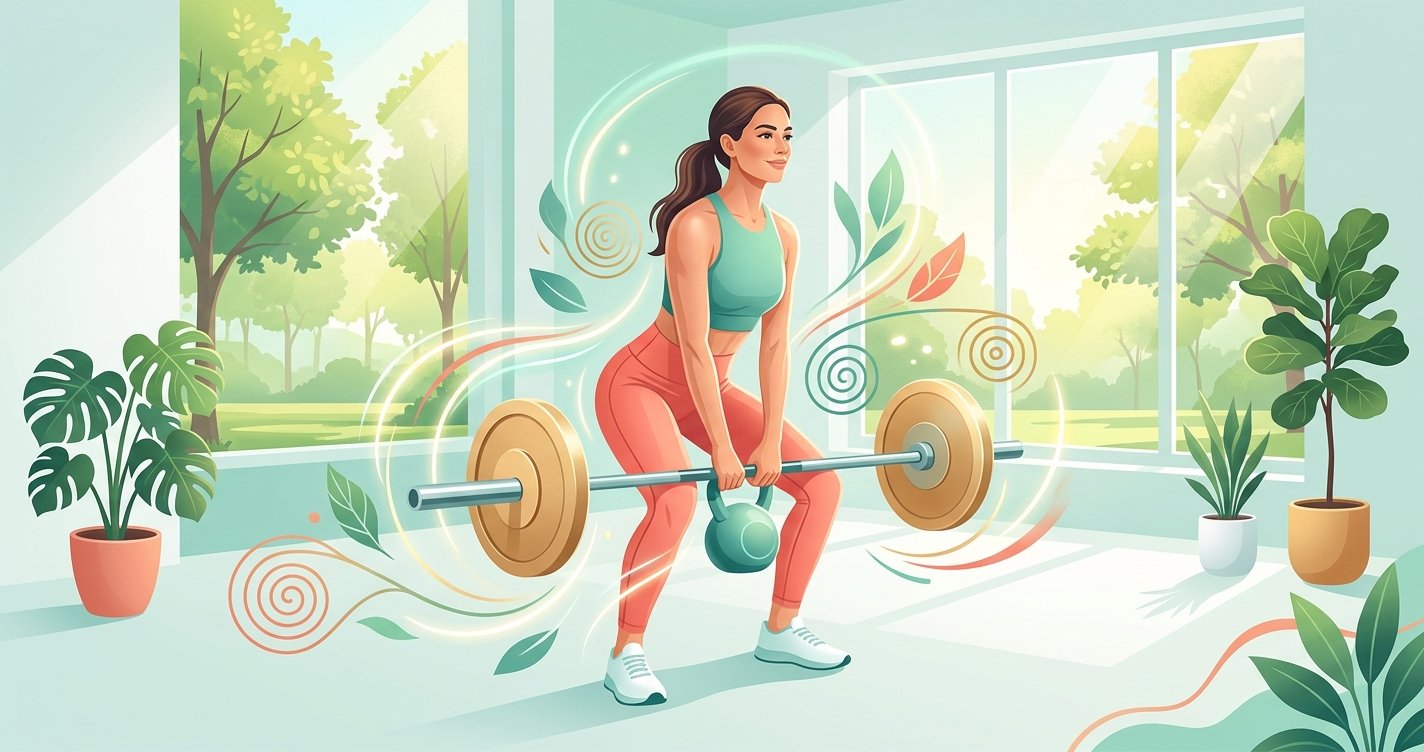
Are you tired of the endless cycle of restrictive diets and grueling cardio sessions that promise quick fixes but deliver fleeting results? It’s time to shift your perspective and discover a powerful, often underestimated, ally in your fat loss journey: strength training. Forget the myths about “bulking up” or needing to spend hours on a treadmill. Building muscle is not just for bodybuilders; it’s a game-changer for anyone looking to achieve sustainable fat loss, sculpt their body, and boost their overall health.
This isn’t about chasing a number on the scale; it’s about transforming your body composition, boosting your metabolism, and feeling stronger and more confident than ever before. Let’s dive into why strength training is your secret weapon for not just losing fat, but keeping it off for good. this excellent wellness product
Why Strength Training is Your Secret Weapon for Fat Loss
When most people think of fat loss, they often picture endless cardio. While cardio has its place, strength training offers unique advantages that make it superior for sustainable fat loss:
-
Boosts Your Metabolism Around the Clock:
Muscle tissue is metabolically more active than fat tissue. This means that even at rest, your muscles burn more calories than fat. The more muscle you build, the higher your basal metabolic rate (BMR) becomes, turning your body into a more efficient fat-burning machine 24/7. Think of it as getting a raise for your resting metabolism!
-
The Afterburn Effect (EPOC):
After a challenging strength training session, your body continues to burn extra calories long after you’ve left the gym. This phenomenon, known as Excess Post-exercise Oxygen Consumption (EPOC) or the “afterburn effect,” means your body is working hard to recover, repair muscle tissue, and return to its pre-exercise state. This can significantly contribute to your daily calorie expenditure.
-
Preserves Muscle During Calorie Deficit:
When you’re eating in a calorie deficit to lose fat, there’s always a risk of losing some muscle along with fat. Strength training signals to your body that those muscles are essential, helping to preserve lean mass while primarily shedding fat. This is crucial for maintaining a higher metabolism and a toned physique.
Beyond the Scale: The Many Benefits of Building Muscle
While fat loss is a primary goal, the benefits of strength training extend far beyond what the scale shows. These advantages contribute to a healthier, happier you:
-
Improved Body Composition: You might weigh the same, but look dramatically different. By replacing fat with muscle, you’ll achieve a leaner, more sculpted physique. Muscle takes up less space than fat, so you’ll often find your clothes fitting better even if the scale doesn’t budge much.
-
Increased Strength and Functional Fitness: Imagine effortlessly carrying groceries, playing with your kids or grandkids, or tackling everyday tasks with ease. Strength training makes you stronger, improving your quality of life and making daily activities less strenuous.
-
Stronger Bones and Joints: Lifting weights puts stress on your bones, stimulating them to become denser and stronger. This is vital for preventing osteoporosis and reducing the risk of fractures as you age. It also strengthens the muscles and ligaments around your joints, improving stability and reducing injury risk.
-
Enhanced Mood and Mental Health: Like other forms of exercise, strength training releases endorphins, natural mood elevators. It can reduce symptoms of anxiety and depression, boost self-esteem, and improve body image. The sense of accomplishment from lifting heavier or mastering a new exercise is incredibly empowering!
-
Better Blood Sugar Control: Muscle tissue is a primary site for glucose uptake. Building more muscle can improve insulin sensitivity, helping your body manage blood sugar levels more effectively, which is crucial for preventing type 2 diabetes.
Getting Started: Essential Principles for Beginners
Feeling intimidated? Don’t be! Everyone starts somewhere. Here are key principles to help you begin your strength training journey safely and effectively:
-
Focus on Form, Not Just Weight:
Proper technique is paramount to prevent injuries and effectively target the intended muscles. Start with lighter weights or even just your body weight to master the movement patterns. Watch videos, consider a session with a certified trainer, or use mirrors to check your form.
-
Start with Compound Movements:
Compound exercises work multiple muscle groups and joints simultaneously, making them incredibly efficient for building strength and burning calories. Think squats, deadlifts, push-ups, rows, and overhead presses. These should form the foundation of your routine.
-
Embrace Progressive Overload:
This is the cornerstone of muscle growth and strength gains. To continue making progress, you need to gradually increase the demands placed on your muscles over time. This can mean:
- Increasing the weight lifted
- Doing more repetitions or sets
- Reducing rest times between sets
- Improving your form with the same weight
- Increasing the frequency of your workouts
-
Consistency is Key:
Results don’t happen overnight. Aim for 2-4 strength training sessions per week, allowing for rest days in between to let your muscles recover and grow. Stick with it, even when motivation wanes.
Crafting Your Fat Loss Workout Plan
While personalized plans are best, here’s a general template to get you started. Remember, listen to your body and adjust as needed.
Sample Full-Body Workout (2-3 times per week):
- Warm-up (5-10 minutes): Light cardio (jogging, cycling) and dynamic stretches (arm circles, leg swings).
- Workout (45-60 minutes): Aim for 3 sets of 8-12 repetitions for each exercise, with 60-90 seconds rest between sets.
- Squats (dumbbell goblet squat or bodyweight squat)
- Push-ups (on knees, elevated, or full)
- Dumbbell Rows (single arm or bent-over)
- Overhead Press (with dumbbells or resistance bands)
- Lunges (alternating legs)
- Plank (hold for 30-60 seconds)
- Cool-down (5-10 minutes): Static stretches, holding each for 20-30 seconds.
Fueling Your Progress: Nutrition for Strength & Fat Loss
You can’t out-train a poor diet. Nutrition plays a vital role in supporting your strength training efforts and maximizing fat loss. Here’s a simplified approach:
-
Prioritize Protein:
Protein is crucial for muscle repair and growth. Aim for 0.7-1 gram of protein per pound of body weight daily. Think lean meats, poultry, fish, eggs, dairy, legumes, and protein supplements.
-
Calorie Awareness:
To lose fat, you generally need to be in a slight calorie deficit (consuming fewer calories than you burn). However, don’t go too low, as this can hinder muscle recovery and energy levels. Focus on whole, unprocessed foods.
-
Smart Carbohydrates and Healthy Fats:
Carbohydrates provide energy for your workouts. Choose complex carbs like whole grains, fruits, and vegetables. Healthy fats are essential for hormone production and overall health. Think avocados, nuts, seeds, and olive oil.
-
Hydration:
Drink plenty of water throughout the day. Dehydration can impair performance and recovery.
Common Myths Debunked
-
“Women who lift heavy will get bulky.”
This is perhaps the biggest myth! Women generally lack the high levels of testosterone needed to build significant muscle mass without specific dietary and training interventions. Instead, you’ll likely develop a lean, toned, and strong physique.
-
“Cardio is better for fat loss.”
As discussed, strength training has unique metabolic advantages that make it superior for sustainable fat loss, especially in preserving muscle mass and boosting resting metabolism. A combination of both is often ideal, but strength training should be a priority.
-
“You need to spend hours in the gym.”
Effective strength training sessions can be as short as 30-45 minutes, 2-4 times a week. Quality over quantity is key. Focus on intensity and consistency.
Making It Stick: Consistency and Long-Term Success
Sustainable fat loss isn’t a sprint; it’s a marathon. Here’s how to ensure your strength training journey is a lasting success:
-
Be Patient: Visible changes take time. Celebrate small victories like increased strength or better form, not just changes on the scale.
-
Find What You Enjoy: Whether it’s lifting free weights, using machines, bodyweight exercises, or group classes, find a style of strength training that you genuinely enjoy. This significantly increases adherence.
-
Listen to Your Body: Rest days are just as important as workout days. Don’t push through pain. Proper sleep is also crucial for recovery and hormone regulation.
-
Track Your Progress: Keep a workout journal to record exercises, sets, reps, and weights. Seeing your progress over time is incredibly motivating and helps you apply progressive overload effectively.
-
Seek Guidance: Don’t hesitate to invest in a few sessions with a certified personal trainer, especially when starting out. They can provide personalized advice, proper form correction, and a tailored program.
Ready to Lift Your Way to a Stronger, Leaner You?
Embracing strength training for fat loss is more than just a workout strategy; it’s a commitment to building a stronger, healthier, and more confident version of yourself. It’s about changing your body composition, boosting your metabolism, and enjoying a myriad of health benefits that extend far beyond aesthetics.
So, step away from the endless cardio, pick up those weights, and start building the foundation for sustainable fat loss and a vibrant, powerful future. Your body will thank you!