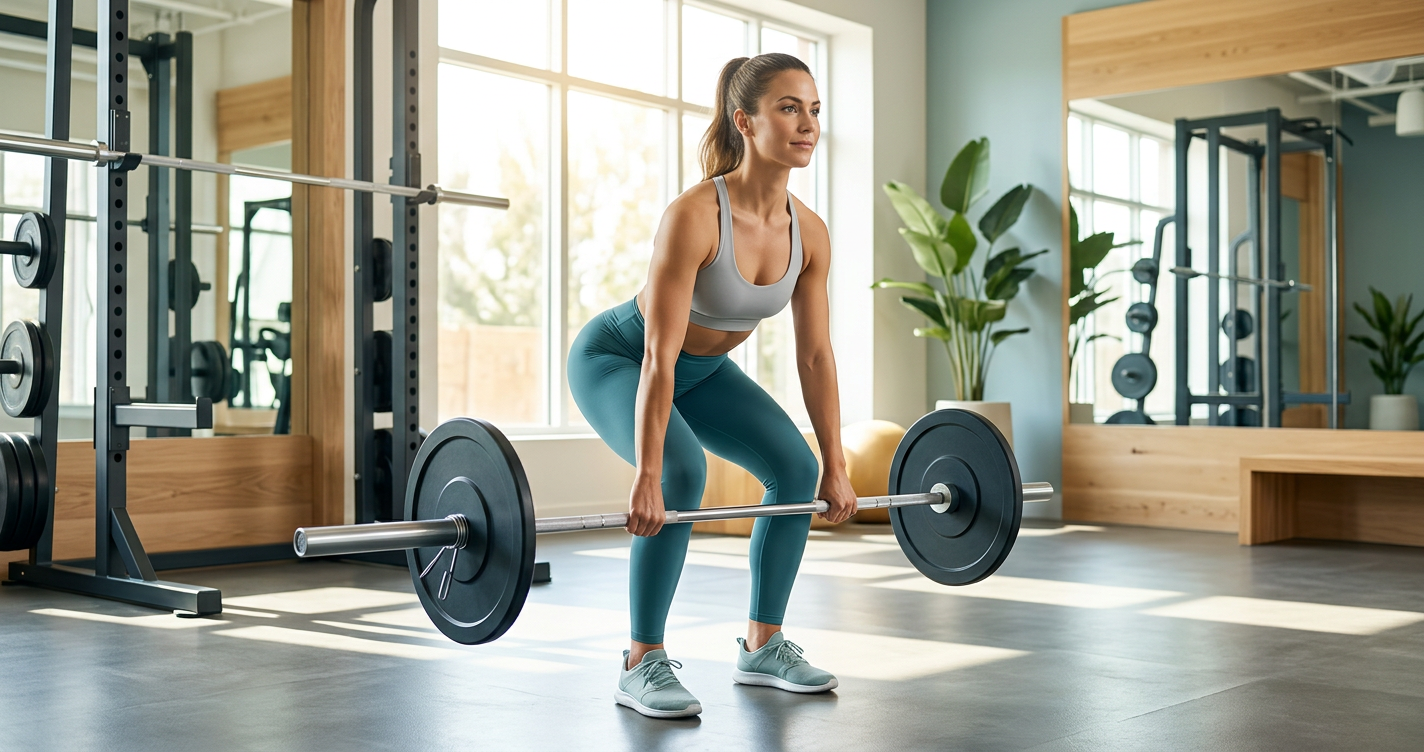
Are you tired of endless cardio sessions with minimal results? Do you dream of a lean, strong physique that not only looks great but also feels incredible? If you've been on a fat loss journey, chances are you've focused heavily on diet and cardio. While these are important pieces of the puzzle, there's a powerful, often underestimated secret weapon that can revolutionize your results: strength training.
Forget the myth that lifting weights will make you "bulky" or that it's only for bodybuilders. For anyone looking to burn fat, build a more resilient body, and achieve sustainable, long-term fat loss, strength training is your new best friend. It's an evidence-based approach that not only helps you shed unwanted pounds but also transforms your body composition, boosts your metabolism, and enhances your overall health. Let's dive into why lifting weights is the game-changer you've been searching for and how to incorporate it effectively into your routine. this excellent wellness product
Why Strength Training is Your Fat Loss Secret Weapon
When it comes to fat loss, many people gravitate towards activities like running or cycling. While cardio has its benefits, strength training offers unique advantages that directly contribute to a more efficient and sustainable fat loss process. Here's why it deserves a prime spot in your routine:
1. Boost Your Metabolism, Even at Rest
Unlike cardio, which primarily burns calories during the activity itself, strength training has a profound impact on your metabolism long after your workout is over. This phenomenon is known as Excess Post-exercise Oxygen Consumption (EPOC), or the "afterburn effect." Your body continues to burn calories at an elevated rate for hours as it recovers and repairs muscle tissue. More importantly, building muscle increases your Basal Metabolic Rate (BMR). Muscle tissue is metabolically active, meaning it burns more calories at rest compared to fat tissue. The more muscle you have, the more calories you burn just by existing!
2. Preserve and Build Muscle Mass
When you're in a calorie deficit for fat loss, there's always a risk of losing muscle along with fat. This is detrimental because muscle is crucial for maintaining a high metabolism and a strong, functional body. Strength training signals to your body that your muscles are needed, helping to preserve existing muscle mass and even build new muscle while you're losing fat. This leads to a more favorable body composition – less fat, more muscle – which is the true essence of looking lean and toned.
3. Enhance Hormonal Balance
Regular strength training can positively influence hormone levels crucial for fat loss. It improves insulin sensitivity, meaning your body becomes more efficient at utilizing glucose for energy rather than storing it as fat. It also boosts growth hormone and testosterone (in both men and women), which play roles in muscle growth, fat metabolism, and overall vitality.
4. Improve Overall Health and Well-being
Beyond fat loss, strength training offers a multitude of health benefits. It strengthens bones, reducing the risk of osteoporosis, improves joint stability, enhances cardiovascular health, and can even boost mood and cognitive function. It's a holistic approach to a healthier, stronger you.
The Science Behind the Sweat: How it Works
Let's briefly touch on the mechanics. When you lift weights, you create tiny micro-tears in your muscle fibers. Your body then repairs these tears, making the muscles stronger and slightly larger. This adaptive process requires energy, not just during the workout but for hours and even days afterward. This is where the magic of EPOC and increased BMR comes in. By consistently challenging your muscles, you're essentially turning your body into a more efficient, fat-burning machine.
Building Your Fat-Blasting Strength Routine
Ready to start lifting? Here’s how to structure an effective strength training program for optimal fat loss:
1. Focus on Compound Movements
Compound exercises are your best friend. These movements work multiple muscle groups and joints simultaneously, burning more calories and stimulating a greater hormonal response. Think:
- Squats: Barbell squats, goblet squats, front squats
- Deadlifts: Conventional, sumo, Romanian deadlifts
- Presses: Bench press, overhead press, push-ups
- Rows: Barbell rows, dumbbell rows, pull-ups
- Lunges: Forward lunges, reverse lunges
Incorporate isolation exercises (like bicep curls or tricep extensions) sparingly, primarily as accessory work.
2. Frequency and Consistency are Key
Aim for 2-4 strength training sessions per week. For beginners, 2-3 full-body workouts are excellent. As you advance, you might consider an upper/lower split or a push/pull/legs split. Consistency is more important than intensity initially. Show up, do the work, and build the habit.
3. Progressive Overload: The Non-Negotiable
Your muscles adapt, so to continue seeing results, you must continually challenge them. This is called progressive overload. It means gradually increasing the demands placed on your muscles over time. This can be achieved by:
- Increasing the weight: The most common method.
- Increasing reps or sets: Doing more work with the same weight.
- Improving form: Lifting the same weight with better technique, making it more challenging for the target muscles.
- Decreasing rest time: Between sets.
- Increasing training frequency: Adding another session per week.
Without progressive overload, your body has no reason to adapt, and your progress will plateau.
Sample Weekly Structure (Beginner-Intermediate)
- Day 1: Full Body Workout A (e.g., Squats, Bench Press, Barbell Rows, Overhead Press, Planks)
- Day 2: Rest or Light Cardio
- Day 3: Full Body Workout B (e.g., Deadlifts, Push-ups, Lunges, Pull-ups/Lat Pulldowns, Farmer's Carries)
- Day 4: Rest or Light Cardio
- Day 5: Full Body Workout C (Optional) or focus on weak points
- Day 6 & 7: Rest or Active Recovery
For each exercise, aim for 3-4 sets of 6-12 repetitions. Choose a weight that challenges you, where the last 1-2 reps are difficult but still maintain good form.
Fueling Your Fat Loss Journey: Nutrition for Lifters
Strength training alone won't magically melt fat if your nutrition isn't dialed in. To maximize your results, consider these nutritional strategies:
1. Prioritize Protein Intake
Protein is paramount. It helps preserve muscle mass in a calorie deficit, supports muscle repair and growth, and is highly satiating, helping you feel full and reduce cravings. Aim for 0.7-1 gram of protein per pound of body weight per day.
2. Maintain a Moderate Calorie Deficit
To lose fat, you need to consume fewer calories than you burn. However, an overly aggressive deficit can hinder performance, muscle recovery, and lead to muscle loss. Aim for a moderate deficit (250-500 calories below maintenance) that allows for steady, sustainable fat loss (1-2 pounds per week).
3. Don't Fear Carbs and Fats
Carbohydrates fuel your workouts and aid recovery. Healthy fats are essential for hormone production and overall health. Focus on whole, unprocessed sources like fruits, vegetables, whole grains, and healthy fats from avocados, nuts, and seeds. Adjust your carb and fat intake based on your activity levels and personal preference, while staying within your calorie and protein targets.
4. Stay Hydrated
Water is crucial for every bodily function, including metabolism and nutrient transport. Ensure you're drinking plenty of water throughout the day, especially around your workouts.
Beyond the Gym: Lifestyle Factors for Success
Your fat loss journey extends beyond your workouts and meals. These lifestyle factors play a significant role:
1. Prioritize Sleep
Quality sleep is non-negotiable for recovery, hormone regulation (including hunger hormones like ghrelin and leptin), and fat loss. Aim for 7-9 hours of quality sleep per night.
2. Manage Stress
Chronic stress can elevate cortisol levels, which can hinder fat loss and even promote fat storage, particularly around the midsection. Incorporate stress-reduction techniques like meditation, yoga, or spending time in nature.
3. Embrace Consistency and Patience
Fat loss is not linear. There will be good days and challenging days. Consistency with your training and nutrition, coupled with patience, will yield the best long-term results. Trust the process, celebrate small victories, and stay focused on your goals.
Common Myths Debunked
- "Lifting makes women bulky." False. Women naturally have much lower testosterone levels than men, making it incredibly difficult to build large amounts of muscle without specific, targeted training and sometimes pharmacological intervention. Strength training will help you achieve a lean, toned, and strong physique.
- "Cardio is better for fat loss." While cardio burns calories, strength training offers the unique metabolic boost and muscle preservation benefits that make it superior for body composition changes and sustainable fat loss. A combination of both is often ideal.
- "You need to lift heavy every day." Overtraining can lead to injury, burnout, and hinder progress. Your muscles need time to recover and grow. Stick to your 2-4 sessions per week and ensure adequate rest.
Conclusion: Lift Your Way to a Stronger, Leaner You
Strength training is a powerful, evidence-based tool for sustainable fat loss that goes far beyond just burning calories. It's about building a more efficient metabolism, sculpting a stronger physique, improving your overall health, and fostering a sense of accomplishment. By prioritizing compound movements, embracing progressive overload, fueling your body intelligently, and focusing on lifestyle factors like sleep and stress, you'll not only shed fat but also build a body that feels resilient, confident, and capable.
So, step away from the treadmill for a moment, pick up those weights, and start your journey towards a stronger, leaner, and healthier you. Your body will thank you!