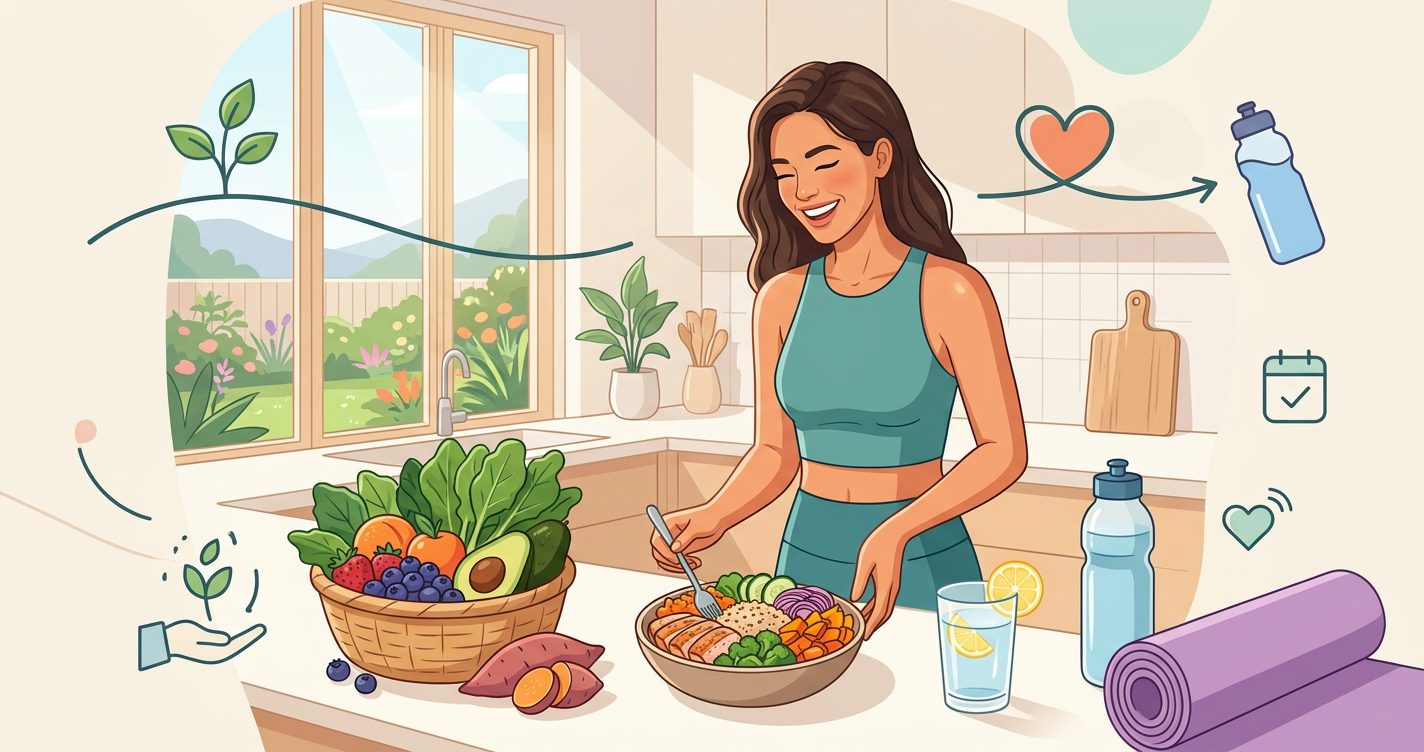
Tired of the Diet Rollercoaster? Discover Sustainable Fat Loss
Have you ever found yourself caught in the endless cycle of crash diets? You restrict, you lose weight quickly, you celebrate, and then... the weight creeps back on, often bringing a few extra pounds with it. It's frustrating, disheartening, and frankly, exhausting. If this sounds familiar, you're not alone. Millions struggle with the promise of quick fixes that ultimately fail to deliver lasting results.
The truth is, genuine, sustainable fat loss isn't about deprivation or extreme measures. It's about cultivating healthy habits that you can maintain for life, leading to a healthier body composition and improved overall well-being. This isn't a sprint; it's a marathon, and we're here to guide you through building a foundation for lasting success. Let's ditch the unsustainable fads and embrace an evidence-based approach to transform your body and your relationship with food and exercise. this excellent wellness product
Why Crash Diets Fail (And What to Do Instead)
Crash diets often promise rapid weight loss by severely restricting calories or cutting out entire food groups. While the scale might move quickly initially, this approach is fundamentally flawed for long-term fat loss.
The Metabolism Myth and Reality
When you drastically cut calories, your body perceives it as a famine. In response, your metabolism slows down to conserve energy, making it harder to burn fat. You also lose valuable muscle mass, which is a key driver of your metabolic rate. When you inevitably return to normal eating, your slower metabolism and reduced muscle make it easier to regain weight, often more than you lost.
The Psychological Toll of Restriction
Beyond the physical, crash diets inflict a heavy psychological toll. Constant hunger, cravings, and the feeling of deprivation can lead to irritability, poor focus, and an unhealthy obsession with food. This often culminates in binge eating, creating a vicious cycle of guilt and restriction. Sustainable fat loss emphasizes balance, satisfaction, and a positive relationship with food.
The Cornerstone: A Smart Calorie Deficit
At its core, fat loss boils down to one fundamental principle: consuming fewer calories than your body burns. This is known as a calorie deficit. However, the key to sustainable fat loss lies in creating a smart, gentle deficit.
Understanding Energy Balance
Your body uses energy (calories) for everything from breathing and thinking to exercising and digesting food. To lose fat, you need to create a deficit, meaning your body must tap into its fat stores for energy. A deficit of 300-500 calories per day is generally recommended for healthy, sustainable fat loss of 1-2 pounds per week.
How to Create a Gentle Deficit (No Extreme Counting Needed)
You don't necessarily need to meticulously count every calorie. Focus on making small, consistent changes:
- Portion Control: Be mindful of serving sizes.
- Choose Nutrient-Dense Foods: Prioritize whole, unprocessed foods that are naturally lower in calories and higher in nutrients.
- Limit Liquid Calories: Sugary drinks, specialty coffees, and alcohol can add hundreds of empty calories without providing satiety.
- Cook at Home More: This gives you control over ingredients and preparation methods.
Start small, observe how your body responds, and adjust gradually. Consistency over perfection is the goal.
Fueling Your Body: Nutrition for Fat Loss and Health
What you eat plays a monumental role in fat loss. It's not just about calories; it's about the quality of those calories and how they impact your satiety, energy levels, and overall health.
Protein: Your Fat Loss MVP
Protein is arguably the most important macronutrient for fat loss. It helps you feel fuller for longer, reducing overall calorie intake. It also has a higher thermic effect, meaning your body burns more calories digesting protein than fats or carbohydrates. Crucially, adequate protein intake helps preserve precious muscle mass during a calorie deficit, ensuring your metabolism stays humming. Aim for 0.7-1 gram of protein per pound of body weight.
Fiber-Rich Carbs: Friends, Not Foes
Contrary to popular diet myths, carbohydrates are not inherently evil. Complex, fiber-rich carbohydrates from whole grains, fruits, and vegetables are vital. Fiber promotes satiety, aids digestion, and helps regulate blood sugar levels, preventing energy crashes and cravings. Choose sources like oats, quinoa, brown rice, sweet potatoes, and a rainbow of vegetables.
Healthy Fats: Essential for Hormones and Fullness
Healthy fats are crucial for hormone production, nutrient absorption, and providing sustained energy. While calorie-dense, healthy fats from sources like avocados, nuts, seeds, olive oil, and fatty fish contribute to satiety and overall health. Enjoy them in moderation.
Mindful Eating: More Than Just What You Eat
Beyond the macronutrients, how you eat matters. Practice mindful eating by slowing down, savoring your food, and paying attention to your body's hunger and fullness cues. Avoid distractions like screens during meals. This practice helps you recognize when you're truly satisfied, preventing overeating.
Move Your Body: Exercise for Fat Loss and Well-being
While nutrition is paramount, exercise is a powerful tool to accelerate fat loss, improve body composition, boost metabolism, and enhance overall health and mood.
Strength Training: Build Muscle, Boost Metabolism
Strength training is non-negotiable for sustainable fat loss. Building and maintaining muscle mass is vital because muscle tissue burns more calories at rest than fat tissue. This means a more muscular physique has a higher resting metabolic rate, making it easier to stay in a calorie deficit and keep the fat off long-term. Aim for 2-4 full-body strength training sessions per week.
Cardio: The Heart-Healthy Helper
Cardiovascular exercise directly burns calories and improves heart health, endurance, and mood. Incorporate a mix of steady-state cardio (like walking, jogging, cycling) and high-intensity interval training (HIIT) if appropriate for your fitness level. Even 30 minutes of brisk walking most days of the week can make a significant difference.
NEAT: The Unsung Hero of Daily Activity
NEAT (Non-Exercise Activity Thermogenesis) refers to the calories burned through all your daily movements that aren't formal exercise. This includes walking to work, taking the stairs, cleaning, gardening, or even fidgeting. Increasing your NEAT throughout the day can significantly contribute to your overall calorie expenditure. Get a step tracker and aim for 7,000-10,000 steps daily.
Beyond Diet and Exercise: The Holistic Picture
Sustainable fat loss isn't just about what you eat and how you move. It's deeply intertwined with your lifestyle and overall well-being.
The Power of Sleep: Don't Skimp!
Poor sleep can sabotage your fat loss efforts. Lack of sleep disrupts hormones that regulate appetite (ghrelin and leptin), leading to increased hunger and cravings, especially for unhealthy foods. It also impairs insulin sensitivity and recovery from exercise. Aim for 7-9 hours of quality sleep per night.
Stress Management: Taming the Cortisol Beast
Chronic stress elevates cortisol levels, a hormone that can promote fat storage, particularly around the abdomen. Stress can also lead to emotional eating and a lack of motivation for healthy habits. Incorporate stress-reducing activities into your routine like meditation, yoga, spending time in nature, or engaging in hobbies you love.
Hydration: Simple Yet Crucial
Drinking enough water is a simple yet powerful fat loss aid. Water can help you feel fuller, boost metabolism slightly, and is essential for all bodily functions, including fat metabolism. Often, thirst is mistaken for hunger, leading to unnecessary snacking. Aim for 8-10 glasses of water daily.
Cultivating a Sustainable Mindset: Patience and Consistency
Perhaps the most crucial ingredient for lasting fat loss is your mindset. This journey requires patience, consistency, and self-compassion.
Focus on Habits, Not Just the Scale
Shift your focus from the number on the scale to the healthy habits you're building. Celebrate consistently hitting your protein goals, completing your workouts, or getting enough sleep. The scale is just one metric, and it doesn't always reflect changes in body composition or overall health.
Embrace Imperfection: It's a Journey
There will be days when you slip up, eat something off-plan, or miss a workout. That's perfectly normal! Don't let one misstep derail your entire journey. Acknowledge it, learn from it, and get back on track with your next meal or workout. Progress, not perfection, is the goal.
Celebrate Small Victories
Acknowledge and celebrate every positive change, no matter how small. Did you choose water over soda? That's a win! Did you walk an extra 10 minutes? Great job! These small victories build momentum and reinforce positive behaviors, making the journey more enjoyable and sustainable.
Your Journey to Lasting Fat Loss Starts Now
Sustainable fat loss isn't about chasing fleeting trends; it's about making peace with your body and building a lifestyle that supports your health and happiness for the long haul. By focusing on a smart calorie deficit, nutrient-dense foods, consistent exercise (especially strength training), adequate sleep, stress management, and a positive mindset, you can break free from the diet cycle and achieve results that truly last.
It won't always be easy, but it will be worth it. Be patient, be consistent, and be kind to yourself. This is your journey to a healthier, stronger, and more vibrant you. Start making those small, powerful changes today, and watch as they build into extraordinary, lasting results.