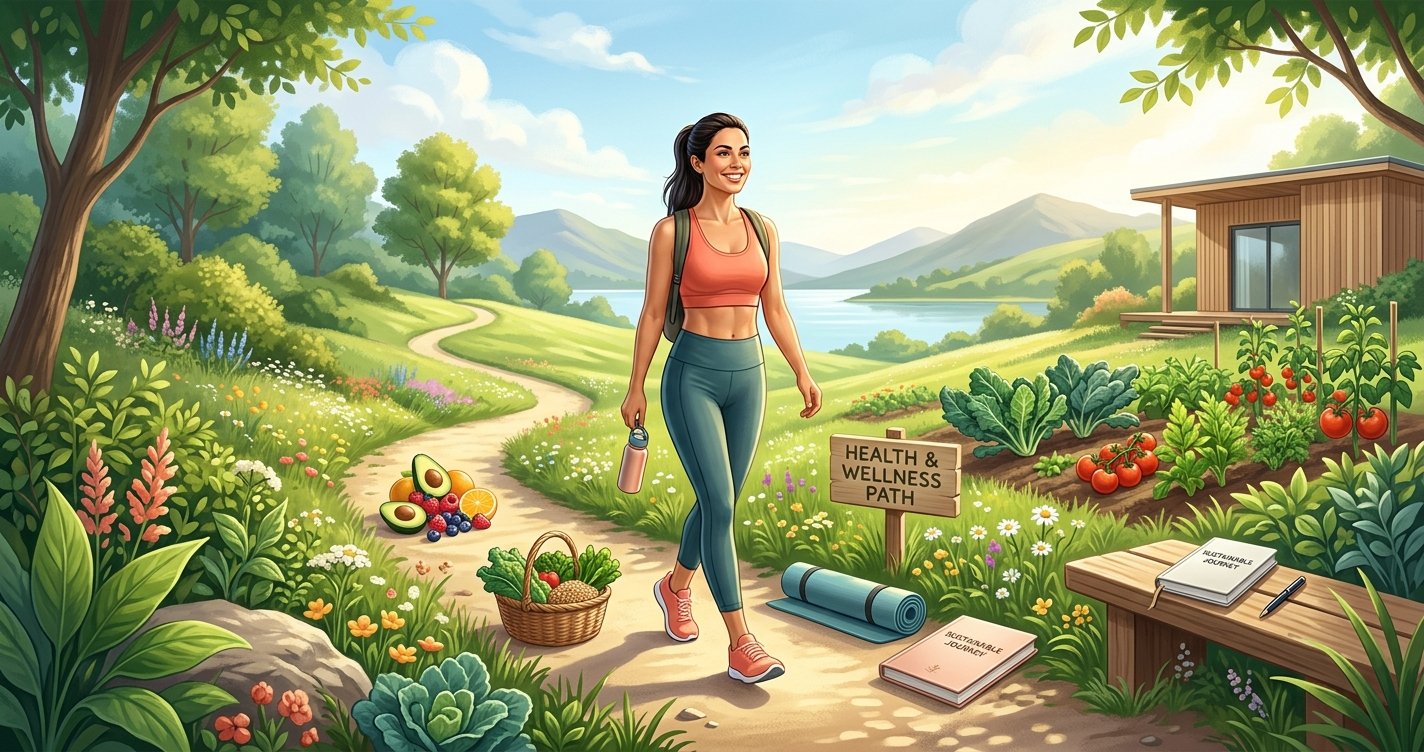
Are you tired of the endless cycle of crash diets, rapid weight loss, and an inevitable rebound? You're not alone. Many of us have been caught in the trap of quick fixes, only to find ourselves frustrated and further from our health goals. The truth is, sustainable fat loss isn't about deprivation or extreme measures; it's about building lasting, healthy habits that nourish your body and support your well-being for the long haul. This isn't just about fitting into an old pair of jeans; it's about optimizing your metabolic health, boosting your energy, and feeling confident in your skin every single day.
In this comprehensive guide, we'll dive deep into evidence-based nutrition strategies that empower you to shed fat effectively and keep it off. We'll move beyond the calorie-counting obsession and explore how to truly fuel your body, understand its signals, and integrate lifestyle factors that are often overlooked but crucial for success. Get ready to ditch the diet mentality and embrace a sustainable, enjoyable path to a healthier, happier you! this excellent wellness product
The Problem with Quick Fixes: Why Most Diets Fail
The allure of losing 10 pounds in a week is powerful, but often, these rapid results come at a cost. Extreme calorie restriction, elimination of entire food groups, and unsustainable exercise regimens might show immediate numbers on the scale, but they rarely translate into lasting fat loss. Why? Because they're designed for the short term, not for life.
When you drastically cut calories, your body often perceives it as a famine. This can slow down your metabolism, increase cravings, and lead to muscle loss — which is counterproductive for fat loss as muscle burns more calories at rest. Once the diet ends, old habits creep back, and the weight often returns, sometimes with extra, due to a slowed metabolism and increased hunger hormones. This frustrating cycle, known as yo-yo dieting, can damage your relationship with food and make future fat loss even harder. Our focus instead will be on creating changes you can comfortably maintain forever.
Building Your Foundation: The Pillars of Sustainable Nutrition
Sustainable fat loss isn't about eating less; it's about eating better and smarter. Let's explore the core principles that will form the bedrock of your new approach.
Calorie Awareness, Not Obsession
Yes, to lose fat, you generally need to be in a modest calorie deficit – consuming slightly fewer calories than your body burns. However, this doesn't mean meticulously tracking every single morsel for the rest of your life. Start by understanding your estimated Total Daily Energy Expenditure (TDEE) and aim for a deficit of 300-500 calories. This creates a gradual, sustainable loss of 0.5 to 1 pound per week. Over time, you'll develop an intuitive understanding of appropriate portion sizes and calorie density without constant tracking. The goal is awareness, not strict adherence to a number.
Prioritizing Protein: Your Satiety Secret Weapon
Protein is arguably the most crucial macronutrient for fat loss. Here’s why:
- Satiety: Protein keeps you feeling fuller for longer, reducing overall calorie intake.
- Muscle Preservation: Adequate protein intake helps prevent muscle loss, which is vital for maintaining a healthy metabolism, especially during a calorie deficit.
- Thermic Effect: Protein has a higher thermic effect of food (TEF) than carbs or fats, meaning your body burns more calories digesting it.
Aim for 0.7-1 gram of protein per pound of body weight daily, distributed across your meals. Think lean meats, poultry, fish, eggs, dairy, legumes, and plant-based protein sources.
Smart Carbs and Healthy Fats: Fueling Your Body Right
Carbohydrates and fats have been unfairly demonized in many diets, but they are essential for energy, hormone production, and nutrient absorption. The key is choosing the right kinds:
- Complex Carbohydrates: Opt for whole grains (oats, brown rice, quinoa), fruits, and vegetables. These are rich in fiber, which aids digestion, promotes fullness, and helps stabilize blood sugar levels, preventing energy crashes and cravings.
- Healthy Fats: Include sources like avocados, nuts, seeds, olive oil, and fatty fish (salmon). These healthy fats are crucial for hormone regulation, vitamin absorption, and provide sustained energy. They also contribute to satiety, so don't be afraid to include them in moderation.
The Power of Whole Foods: Eating for Nourishment and Fat Loss
One of the simplest yet most powerful shifts you can make for sustainable fat loss is to prioritize whole, unprocessed foods. Think about it: a bag of chips and an apple might have similar calorie counts, but their impact on your body and satiety couldn't be more different.
Whole foods are nutrient-dense, packed with vitamins, minerals, fiber, and antioxidants. They provide sustained energy, help regulate blood sugar, and naturally keep you feeling full. Processed foods, on the other hand, are often high in refined sugars, unhealthy fats, and artificial ingredients, offering little nutritional value and often triggering overeating.
- Focus on: Lean proteins, a rainbow of vegetables, fruits, whole grains, nuts, seeds, and healthy oils.
- Limit: Sugary drinks, fast food, highly processed snacks, and foods with long ingredient lists.
By choosing whole foods, you're not just cutting calories; you're actively nourishing your body, improving your metabolic health, and making fat loss a natural byproduct of better eating.
Mindful Eating: Reconnecting with Your Body's Signals
In our fast-paced world, eating has often become a rushed, distracted affair. Mindful eating is about slowing down, paying attention to your body's hunger and fullness cues, and truly savoring your food. This practice can transform your relationship with eating and significantly aid fat loss.
- Eat Slowly: It takes about 20 minutes for your brain to register that your stomach is full. Eating slowly gives your body time to send these signals.
- Eliminate Distractions: Turn off the TV, put away your phone, and focus solely on your meal.
- Pay Attention to Hunger and Fullness: Before you eat, ask yourself if you're truly hungry. During your meal, notice when you start to feel satisfied, not stuffed.
- Savor Each Bite: Notice the flavors, textures, and aromas of your food. Enjoy the experience.
Mindful eating also helps address emotional eating, where we reach for food out of boredom, stress, or sadness rather than true hunger. By becoming more aware, you can identify these triggers and develop healthier coping mechanisms.
The Role of Lifestyle: Beyond the Plate
While nutrition is paramount, sustainable fat loss is a holistic endeavor. Several lifestyle factors play a critical, often underestimated, role in your body composition and metabolic health.
Hydration: Often Overlooked, Always Crucial
Water is essential for virtually every bodily function, including metabolism. Staying adequately hydrated can help you feel fuller, reduce cravings, and ensure your body is functioning optimally. Aim for at least 8 glasses of water a day, more if you're active or in a hot climate.
Sleep: Your Unsung Fat Loss Hero
Lack of sleep can wreak havoc on your hormones. It increases ghrelin (the hunger hormone) and decreases leptin (the satiety hormone), leading to increased appetite and cravings for unhealthy foods. Poor sleep also elevates cortisol, a stress hormone that can promote fat storage, particularly around the midsection. Prioritize 7-9 hours of quality sleep each night.
Stress Management: Taming the Cortisol Beast
Chronic stress, like lack of sleep, keeps cortisol levels elevated. This can lead to increased appetite, cravings for sugary and fatty foods, and a tendency to store fat around the abdomen. Incorporate stress-reducing activities into your daily routine, such as meditation, yoga, spending time in nature, or hobbies you enjoy.
Movement: Finding Joy in Being Active
You don't need to spend hours at the gym to see results. Incorporate regular physical activity that you enjoy. This could be daily walks, dancing, cycling, swimming, or hiking. Critically, resistance training (lifting weights) is incredibly beneficial for fat loss. It builds and preserves muscle mass, which boosts your resting metabolism and helps sculpt your body. Aim for a mix of strength training 2-3 times a week and consistent cardiovascular activity.
Practical Strategies for Long-Term Success
Now that you understand the principles, let's look at how to integrate them into your daily life:
- Meal Planning & Prep: Dedicate time each week to plan your meals and prepare some components in advance. This reduces decision fatigue and the likelihood of reaching for unhealthy options when hunger strikes.
- Batch Cooking: Cook larger quantities of staples like grilled chicken, roasted vegetables, or quinoa that can be used in multiple meals throughout the week.
- Smart Snacking: If you need snacks, choose nutrient-dense options like a handful of almonds, Greek yogurt with berries, or vegetable sticks with hummus.
- Learn to Read Labels: Be an informed consumer. Understand serving sizes, and look out for added sugars, unhealthy fats, and excessive sodium.
- Build a Support System: Share your goals with friends or family, or join an online community. Having people who encourage you can make a huge difference.
- Be Patient and Consistent: Sustainable fat loss is a marathon, not a sprint. There will be good days and bad days. Consistency over time is what truly matters.
- Allow for Flexibility (The 80/20 Rule): Don't aim for perfection. Strive for healthy eating 80% of the time, and allow yourself some flexibility for treats or social occasions the other 20%. This prevents feelings of deprivation and makes your approach truly sustainable.
Your Journey Starts Now: Embrace the Process
Embarking on a journey of sustainable fat loss is about more than just changing your body; it's about transforming your lifestyle and mindset. It's about empowering yourself with knowledge, listening to your body, and making choices that truly serve your long-term health and happiness. Remember, every small, consistent step forward is progress. Be kind to yourself, celebrate your victories, and don't get discouraged by setbacks.
This isn't just another diet; it's a blueprint for a healthier, more vibrant you. Start today by choosing one small change you can implement, whether it's prioritizing protein at breakfast, drinking more water, or taking a 20-minute walk. Your body will thank you, and you'll be well on your way to achieving sustainable fat loss and a life filled with energy and confidence. You've got this!