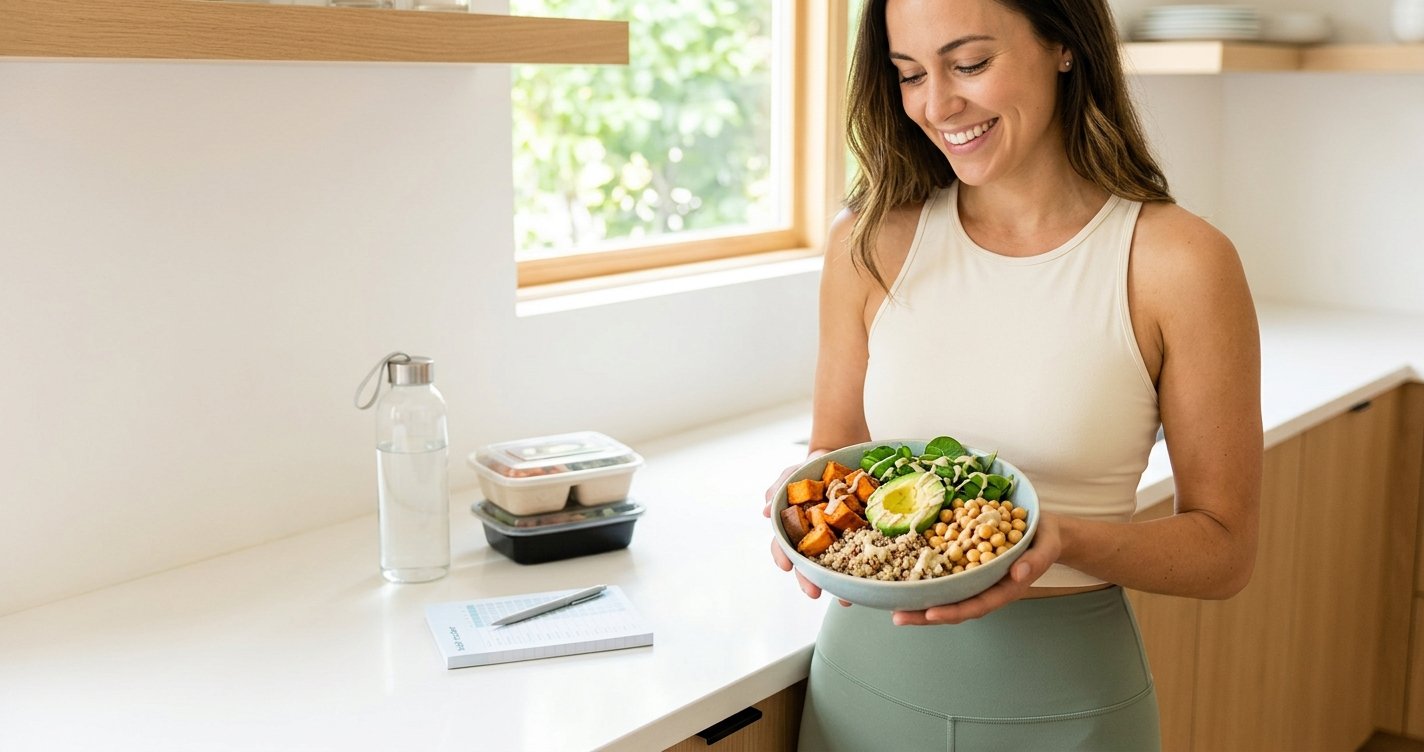
Sustainable Fat Loss: Build Habits That Last (No More Crash Diets!)
Have you ever felt caught in the frustrating cycle of losing weight only to gain it back, often with a little extra? You’re definitely not alone. The world of fat loss is often dominated by quick fixes, extreme diets, and promises of overnight transformations. While these approaches might deliver rapid initial results, they rarely lead to lasting change. In fact, they often leave us feeling defeated, demotivated, and further from our goals.
But what if there was a better way? A path to fat loss that focuses on building a healthier, stronger you from the inside out, ensuring results that stick for the long haul? The good news is, there is! It’s all about sustainable fat loss – shifting your focus from temporary deprivation to cultivating habits that empower your body and mind. Forget the crash diets; let's dive into an evidence-based, encouraging approach to achieving and maintaining your ideal body composition. this excellent wellness product
Why Crash Diets Fail (And What to Do Instead)
Before we explore what works, let’s understand why the quick-fix mentality often backfires. Crash diets typically involve severe calorie restriction, cutting out entire food groups, or relying on restrictive meal plans. While the scale might drop initially, much of this is often water weight and, unfortunately, precious muscle mass. Here’s why this approach is a dead end:
- Metabolic Adaptation: Your body is smart. When faced with extreme calorie deficits, it perceives starvation and slows down your metabolism to conserve energy. This makes it harder to lose fat and easier to regain weight once you return to normal eating.
- Muscle Loss: Rapid weight loss often means losing muscle tissue along with fat. Muscle is metabolically active, meaning it burns more calories at rest. Less muscle equals a slower metabolism, making fat loss harder in the long run.
- Nutrient Deficiencies: Restrictive diets can strip your body of essential vitamins, minerals, and macronutrients, impacting energy levels, mood, and overall health.
- Psychological Toll: Constant hunger, deprivation, and social isolation can lead to intense cravings, emotional eating, and a negative relationship with food. This often results in a rebound, where you regain more weight than you lost.
- Unsustainability: Can you really eat only cabbage soup for the rest of your life? Probably not. Any diet that isn't sustainable in the long term is doomed to fail.
Instead of a sprint, think of sustainable fat loss as a marathon. It’s about making gradual, manageable changes that you can comfortably maintain over time, leading to consistent progress and a healthier lifestyle.
Nutrition for Sustainable Fat Loss: Fueling Your Body Smartly
You don't need to starve yourself to lose fat. It's about making smart, informed choices that nourish your body while creating a gentle calorie deficit. Let’s focus on quality over quantity, most of the time.
The Power of Protein and Fiber
If there are two nutritional superstars for fat loss, it's protein and fiber. Both are incredibly satiating, helping you feel full and satisfied for longer, which naturally reduces overall calorie intake.
- Protein: Essential for building and preserving muscle mass, which is crucial for a healthy metabolism. Protein also has a higher thermic effect of food (TEF) than carbs or fats, meaning your body burns more calories digesting it. Aim for a lean protein source at every meal: chicken breast, turkey, fish, eggs, Greek yogurt, legumes, tofu, or lean beef.
- Fiber: Found in fruits, vegetables, whole grains, and legumes, fiber adds bulk to your meals without adding many calories. It aids digestion, stabilizes blood sugar levels, and keeps hunger at bay. Load up on a variety of colorful vegetables and fruits!
Smart Carb Choices and Healthy Fats
Carbohydrates and fats aren't the enemy! They are vital for energy, hormone production, and overall health. The key is choosing the right types.
- Smart Carbs: Opt for complex carbohydrates like whole grains (oats, quinoa, brown rice, whole-wheat bread), fruits, and starchy vegetables (sweet potatoes). These provide sustained energy, essential nutrients, and fiber, unlike refined carbs (white bread, sugary drinks) which cause blood sugar spikes and energy crashes.
- Healthy Fats: Crucial for hormone function, nutrient absorption, and satiety. Incorporate sources like avocados, nuts, seeds, olive oil, and fatty fish (salmon). While healthy, fats are calorie-dense, so portion control is important.
Mindful Eating and Portion Control
Beyond what you eat, how you eat matters immensely. Mindful eating involves paying attention to your body's hunger and fullness cues, savoring your food, and eating without distraction. This helps prevent overeating and fosters a healthier relationship with food. Learn to listen to your body – eat when you're truly hungry, and stop when you're comfortably full, not stuffed.
Movement That Matters: Exercise for Body Composition
Exercise isn't just about burning calories; it's about shaping your body, boosting your metabolism, and improving your overall health and well-being. A balanced approach combines different types of movement.
Embrace Strength Training
If you're not lifting weights, you're missing out on one of the most powerful tools for fat loss. Strength training builds and maintains muscle mass, which is critical for a higher resting metabolism. More muscle means you burn more calories even when you're not working out! Plus, it sculpts your body, giving you a strong, toned physique. You don't need to be a bodybuilder; 2-3 sessions per week with weights or bodyweight exercises can make a huge difference.
Cardio for Health and Calorie Burn
Cardiovascular exercise is excellent for heart health, endurance, and burning extra calories. You can choose between high-intensity interval training (HIIT), which involves short bursts of intense exercise followed by brief recovery periods, or steady-state cardio (LISS) like brisk walking, jogging, or cycling. The best cardio is the one you enjoy and can stick with consistently.
Remember, the goal is to find activities you genuinely enjoy. Whether it's dancing, hiking, swimming, or playing a sport, consistent movement is key. The more you move, the more energy you burn, and the stronger your body becomes.
The Unsung Heroes: Sleep, Stress, and Hydration
Often overlooked, these factors play an enormous role in your body's ability to lose fat and function optimally.
Prioritize Quality Sleep
Lack of sleep can wreak havoc on your fat loss efforts. When you're sleep-deprived, your body produces more ghrelin (the hunger hormone) and less leptin (the satiety hormone), making you feel hungrier and less satisfied. It also increases cortisol, a stress hormone linked to belly fat storage. Aim for 7-9 hours of quality sleep per night to support hormonal balance and energy levels.
Manage Stress Effectively
Chronic stress, like sleep deprivation, elevates cortisol levels. This can lead to increased appetite, cravings for unhealthy foods, and a tendency for your body to store fat, particularly around the midsection. Find healthy ways to manage stress: meditation, yoga, spending time in nature, hobbies, or connecting with loved ones. Your mental well-being directly impacts your physical results.
Hydrate, Hydrate, Hydrate
Water is essential for every bodily function, including metabolism. Drinking enough water can help you feel fuller, boost your metabolism slightly, and ensure all your systems are running efficiently. Often, what we perceive as hunger is actually thirst. Keep a water bottle handy and sip throughout the day.
Mindset Matters: Building a Lasting Relationship with Your Body
Sustainable fat loss isn't just about diet and exercise; it's profoundly about your mindset. This journey requires patience, self-compassion, and a long-term perspective.
- Patience and Consistency: Results don't happen overnight. There will be good days and challenging days. Focus on consistency over perfection. One 'off' meal or missed workout won't derail your progress, but giving up will.
- Non-Scale Victories: Don't let the scale be your only measure of success. Celebrate increased energy, better sleep, stronger lifts, clothes fitting better, improved mood, and enhanced overall health. These are often more indicative of true progress.
- Self-Compassion: Be kind to yourself. If you slip up, don't beat yourself up. Acknowledge it, learn from it, and get back on track. This is a journey of learning and growth, not a test of perfection.
- Seek Support: Share your goals with a supportive friend, family member, or consider working with a coach. Having accountability and encouragement can make a significant difference.
Ultimately, sustainable fat loss is about building a lifestyle that supports your health and happiness, not just a temporary diet. It’s about empowering yourself with knowledge, making informed choices, and fostering habits that serve you well for years to come.
Your Journey to Lasting Fat Loss Starts Now!
Say goodbye to the yo-yo dieting cycle and embrace a path that truly works. By focusing on smart nutrition, consistent movement, prioritizing sleep and stress management, and cultivating a positive mindset, you’re not just losing fat; you’re building a stronger, healthier, and more vibrant you. This isn't about restriction; it's about liberation. It's a journey, not a destination, and with these sustainable habits, you’ve got everything you need to succeed. You've got this!