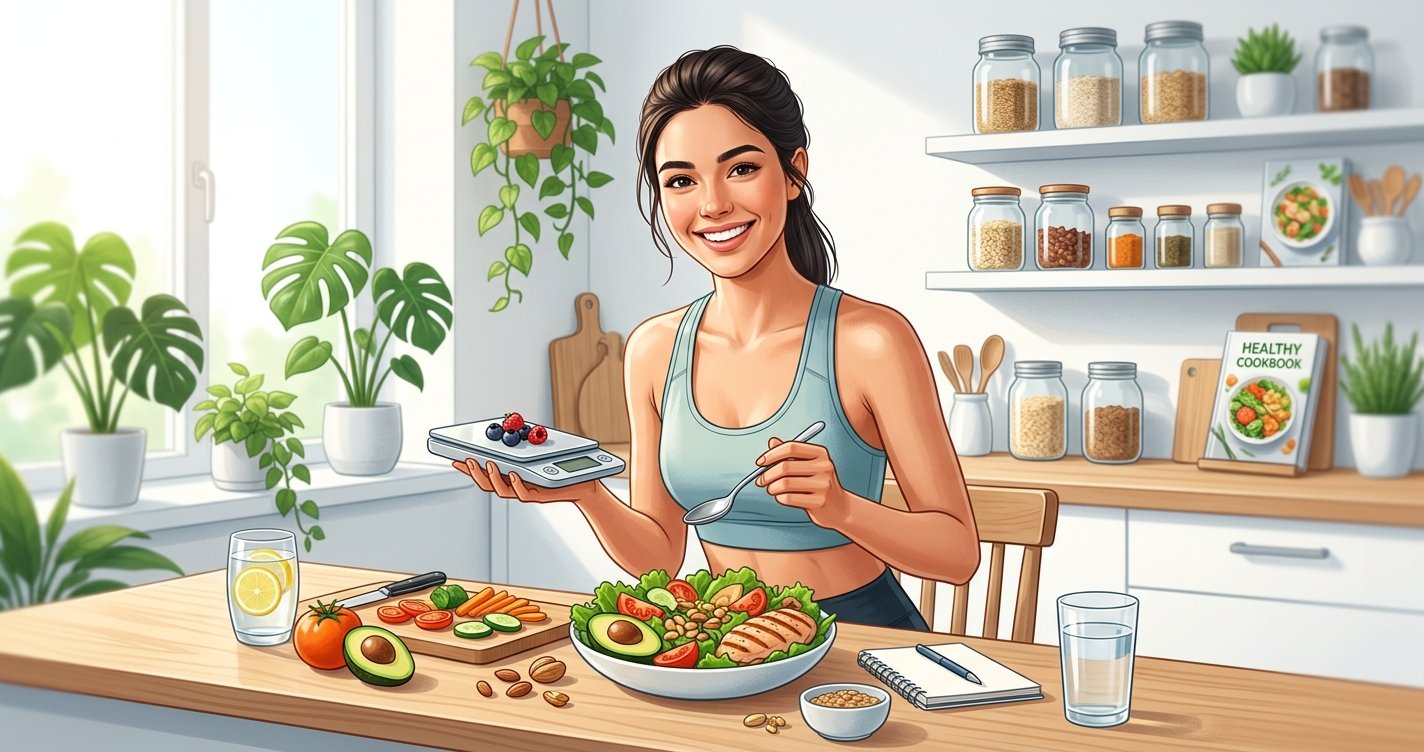
Are you tired of the endless cycle of restrictive diets, quick fixes, and the inevitable rebound? You're not alone. Many people embark on a fat loss journey with enthusiasm, only to be met with frustration when unsustainable methods lead to burnout. The good news? There's a smarter, more enduring path to achieving your body composition goals: understanding and implementing a sustainable caloric deficit.
This isn't about deprivation or extreme measures. It's about empowering yourself with knowledge, making informed choices, and fostering habits that support your long-term health and well-being. Let's dive into the science-backed, friendly approach to truly sustainable fat loss. this excellent wellness product
What Exactly is a Caloric Deficit? The Core Science of Fat Loss
At its heart, fat loss boils down to a fundamental principle of energy balance: you need to consume fewer calories than your body expends. This difference is called a 'caloric deficit.' When your body doesn't get enough energy from the food you eat, it turns to its stored energy reserves – primarily body fat – to make up the difference. This is how fat loss occurs.
Think of your body as a car. Food is the fuel. If you put less fuel in than the car uses for its journey, it eventually starts running on fumes (or, in our case, stored fat). It sounds simple, and in theory, it is. However, the art of creating a *sustainable* deficit lies in doing it smartly, without compromising your health, energy levels, or relationship with food.
Forget the myth that you need to starve yourself. A healthy, effective caloric deficit is typically a moderate reduction, allowing your body to slowly and steadily tap into fat stores while preserving muscle mass and vital bodily functions.
Calculating Your Caloric Deficit: A Practical Approach
While precision is great, perfection isn't necessary. The goal is a good estimate to guide your initial steps. Here’s a simplified way to approach it:
- Estimate Your Total Daily Energy Expenditure (TDEE): This is the total number of calories your body burns in a day, including your Basal Metabolic Rate (BMR – calories burned at rest) and calories burned through activity. Many online TDEE calculators can give you a solid starting point by plugging in your age, gender, weight, height, and activity level.
- Aim for a Moderate Deficit: For sustainable fat loss, a deficit of 300-500 calories below your TDEE is generally recommended. This typically translates to losing about 0.5 to 1 pound of fat per week, which is a healthy and maintainable pace. For example, if your TDEE is 2200 calories, aiming for 1700-1900 calories per day would create a suitable deficit.
- Track (Initially): For a week or two, consider tracking your food intake using an app. This isn't about long-term obsession, but rather a powerful educational tool to understand the caloric content of your typical meals and where you can make adjustments. You might be surprised!
- Adjust Based on Progress: Your body is dynamic. If you're consistently losing weight at a healthy pace, great! If not, you might need to slightly reduce your intake or increase your activity. Listen to your body and observe the results over several weeks, not days.
Remember, these are starting points. The ultimate judge of your deficit is your body’s response and how you feel.
Fueling Your Deficit: Smart Nutrition Strategies for Success
A caloric deficit doesn't mean eating less of everything; it means eating smarter. Prioritizing nutrient-dense foods will keep you feeling full, energized, and nourished.
Prioritize Protein for Satiety and Muscle Preservation
Protein is your best friend during fat loss. It's highly satiating, meaning it keeps you feeling fuller for longer, which is crucial when you're eating fewer calories. Furthermore, adequate protein intake helps preserve precious muscle mass, which is vital for maintaining a healthy metabolism and body composition. Aim for a protein source with every meal: lean meats, poultry, fish, eggs, dairy, legumes, and plant-based protein powders are excellent choices.
Embrace Fiber-Rich Foods
Fiber, found in fruits, vegetables, and whole grains, adds bulk to your meals without adding many calories. It aids digestion, helps stabilize blood sugar, and contributes significantly to satiety. Fill at least half your plate with colorful, non-starchy vegetables at every meal.
Choose Smart Carbs and Healthy Fats
Don't fear carbohydrates or fats! They are essential for energy and hormone function. Opt for complex carbohydrates like whole grains (oats, quinoa, brown rice), sweet potatoes, and legumes over refined sugars and processed grains. For fats, focus on healthy sources like avocados, nuts, seeds, and olive oil, consumed in moderation due to their higher caloric density.
Hydration is Key
Often overlooked, drinking enough water is critical for fat loss. It can help you feel fuller, supports metabolic processes, and keeps your energy levels up. Sometimes, what feels like hunger is actually thirst.
Beyond the Plate: Activity and Lifestyle for Enhanced Fat Loss
While nutrition creates the deficit, physical activity and healthy lifestyle choices amplify your results and support overall well-being.
Strength Training: Your Metabolic Supercharger
Incorporating resistance training (lifting weights, bodyweight exercises) is perhaps the most underrated tool for fat loss. Muscle tissue is metabolically active, meaning it burns more calories at rest than fat tissue. By building and preserving muscle, you effectively boost your metabolism, making fat loss easier and more sustainable. Aim for 2-4 strength training sessions per week.
Cardio: The Calorie Burner
Cardiovascular exercise (walking, jogging, cycling, swimming) directly burns calories, helping to widen your caloric deficit. It also offers incredible benefits for heart health, mood, and stress reduction. Find activities you enjoy and aim for at least 150 minutes of moderate-intensity cardio per week.
Prioritize Sleep and Manage Stress
Lack of sleep and chronic stress can wreak havoc on your hormones, particularly those that regulate hunger and satiety (ghrelin and leptin) and fat storage (cortisol). Aim for 7-9 hours of quality sleep per night and find healthy ways to manage stress, such as meditation, yoga, or spending time in nature. These lifestyle factors are just as crucial as diet and exercise for sustainable fat loss.
Navigating the Journey: Troubleshooting & Staying Motivated
Your fat loss journey won't always be linear. There will be plateaus, challenges, and moments where motivation wanes. This is normal.
- Expect Plateaus: As your body adapts, your metabolism might slightly slow down, or you might reach a point where your caloric needs change. Don't panic. Re-evaluate your intake and activity, and make small adjustments.
- Mindful Eating: Pay attention to your hunger and fullness cues. Eat slowly, savor your food, and put away distractions. This can prevent overeating and enhance your enjoyment of meals.
- Consistency Over Perfection: One 'off' meal or day won't derail your progress. It's what you do most of the time that counts. Get back on track with your next meal and move forward without guilt.
- Listen to Your Body: If you're constantly feeling lethargic, overly hungry, or irritable, your deficit might be too aggressive. Adjust your intake slightly upwards and prioritize nutrient density.
- Celebrate Non-Scale Victories: Focus on improvements in energy, strength, mood, sleep, and how your clothes fit. The scale is just one metric.
Making it a Lifestyle: Long-Term Sustainability
The goal isn't just to lose fat, but to keep it off and maintain a healthy body for life. Once you reach your fat loss goal, you'll gradually transition from a deficit to a maintenance phase, where you eat roughly your TDEE to sustain your weight. The healthy habits you built during your deficit – smart food choices, regular exercise, good sleep – will be the foundation of your long-term success.
Sustainable fat loss through a smart caloric deficit isn't a quick fix; it's a journey of self-discovery, consistent effort, and building healthy habits that last a lifetime. By understanding the science, making informed food choices, staying active, and prioritizing your overall well-being, you can achieve your fat loss goals in a way that truly sticks. Embrace the process, be kind to yourself, and celebrate every step of your progress.