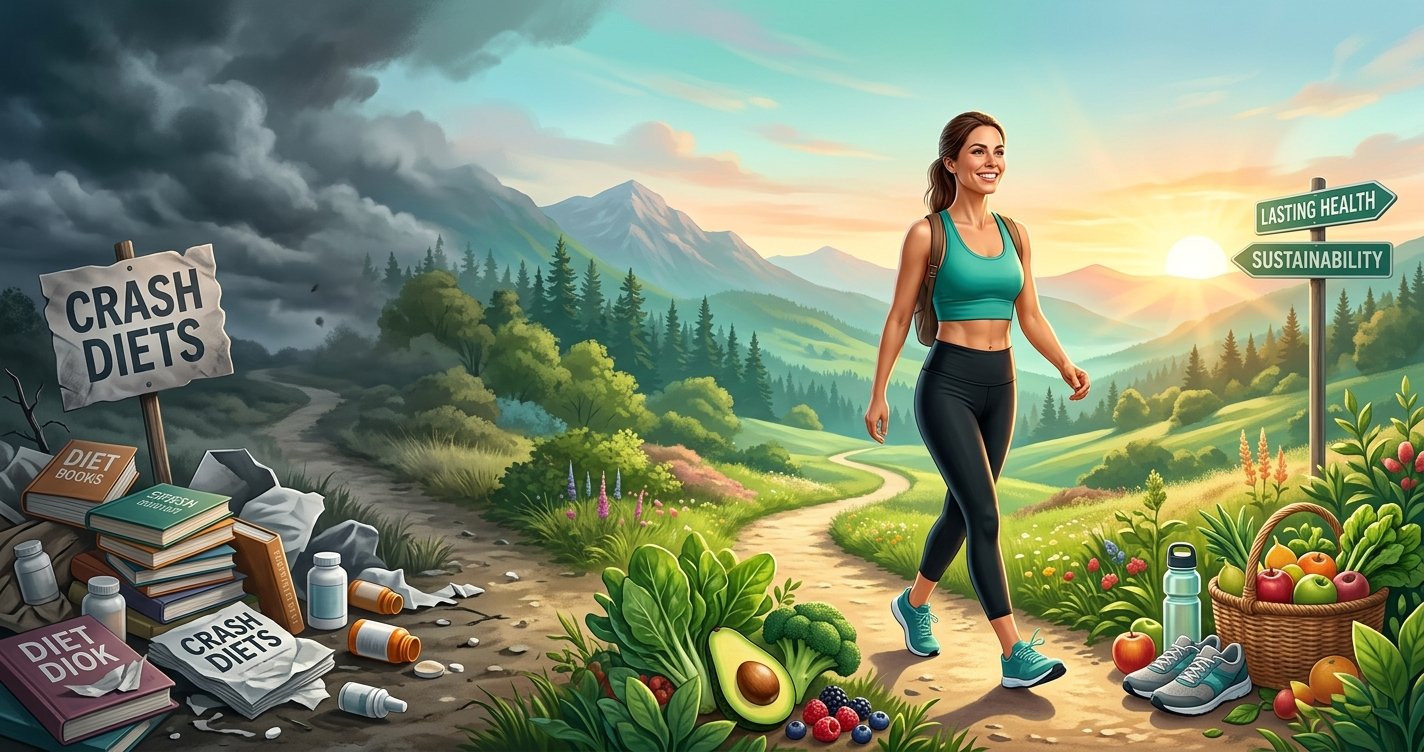
In a world obsessed with quick fixes and dramatic transformations, the allure of crash diets for fat loss is undeniable. From juice cleanses to extreme calorie restriction, the internet is flooded with promises of shedding pounds in record time. But let's be honest: how many of these 'miracle' diets actually lead to lasting results? For most, they end in frustration, rebound weight gain, and a damaged relationship with food. It’s time to move beyond the cycle of deprivation and embrace a path to sustainable fat loss – one that prioritizes your health, well-being, and long-term success.
This isn't about dieting; it's about making informed, consistent choices that empower your body to thrive while gently shedding unwanted fat. We’ll explore evidence-based strategies that build a foundation for lasting change, without the need for extreme measures. this excellent wellness product
The Problem with Quick Fixes: Why Extreme Diets Fail
The appeal of rapid weight loss is strong, but the reality of extreme dieting often falls short. When you drastically cut calories or eliminate entire food groups, your body responds by slowing down its metabolism as a survival mechanism. This metabolic adaptation makes it harder to lose weight, and often, easier to regain it once you stop the restrictive diet. Furthermore, severe calorie restriction can lead to muscle loss, which further reduces your metabolic rate, making sustainable fat loss even more challenging.
Beyond the physical toll, crash diets inflict significant psychological damage. They often foster feelings of deprivation, guilt, and obsession with food, leading to an unhealthy relationship with eating. This mental strain can result in binge eating cycles, emotional eating, and ultimately, a feeling of failure when the diet inevitably becomes unsustainable. True fat loss is a marathon, not a sprint, and requires a holistic approach that respects both your body and your mind.
The Foundation: Gentle Calorie Deficit
At its core, fat loss comes down to creating a calorie deficit – consuming fewer calories than your body expends. However, the key word here is 'gentle.' A severe deficit is counterproductive. A moderate, sustainable deficit allows your body to tap into its fat stores for energy without triggering drastic metabolic slowdowns or extreme hunger.
Understanding Your Energy Needs
Your Total Daily Energy Expenditure (TDEE) is the total number of calories your body burns in a day, factoring in your basal metabolic rate (BMR), activity level, and the thermic effect of food. Online calculators can give you an estimate, but listening to your body and tracking your intake for a few days can provide a more accurate picture.
For sustainable fat loss, aim for a deficit of 250-500 calories below your TDEE. This typically translates to losing about 0.5 to 1 pound of fat per week, a healthy and manageable rate that is much more likely to last.
Practical Ways to Achieve a Deficit
- Portion Control: Be mindful of serving sizes, especially for calorie-dense foods.
- Smart Swaps: Choose leaner protein sources, whole grains over refined, and plenty of non-starchy vegetables.
- Mindful Eating: Eat slowly, savor your food, and pay attention to your body's hunger and fullness cues. Avoid distractions while eating.
- Hydration: Sometimes thirst is mistaken for hunger. Drink plenty of water throughout the day.
Fueling Your Body: Nutrition for Sustainable Fat Loss
Forget bland, restrictive meal plans. Sustainable fat loss is about nourishing your body with nutrient-dense foods that keep you feeling full, energized, and satisfied. It's about making smart choices, not eliminating entire food groups.
The Power of Protein
Protein is your best friend for fat loss. It's highly satiating, meaning it keeps you feeling fuller for longer, which helps reduce overall calorie intake. Furthermore, protein is crucial for preserving lean muscle mass during a calorie deficit, which is vital for maintaining a healthy metabolism. Aim to include a lean protein source with every meal.
- Good sources: Chicken breast, turkey, fish, lean beef, eggs, Greek yogurt, cottage cheese, tofu, lentils, beans.
Embrace Fiber-Rich Carbs
Carbohydrates are not the enemy! Opt for complex, fiber-rich carbohydrates that provide sustained energy and contribute to satiety. Fiber also aids in digestion and blood sugar regulation, preventing energy crashes and cravings.
- Good sources: Whole grains (oats, quinoa, brown rice, whole wheat bread), fruits (berries, apples, oranges), and plenty of vegetables (broccoli, spinach, bell peppers, sweet potatoes).
Don't Fear Healthy Fats
Healthy fats are essential for hormone production, nutrient absorption, and overall health. While calorie-dense, they contribute significantly to satiety. Include them in moderation.
- Good sources: Avocados, nuts, seeds, olive oil, fatty fish (salmon, mackerel).
Move Your Body: Exercise That Supports, Not Punishes
You don't need to spend hours at the gym or engage in grueling workouts to achieve fat loss. The most effective exercise routine is one you can stick with consistently and enjoy. Focus on a combination of strength training and cardiovascular activity.
Strength Training: Your Fat-Loss Secret Weapon
Building and maintaining muscle mass is paramount for sustainable fat loss. Muscle tissue burns more calories at rest than fat tissue, meaning a more muscular body has a higher resting metabolism. Strength training also helps to sculpt your body and improve overall strength and confidence.
- Aim for 2-3 full-body strength training sessions per week.
Consistent Cardio: Heart Health & Calorie Burn
Cardiovascular exercise is excellent for burning calories, improving heart health, and boosting your mood. Whether you prefer brisk walking, jogging, cycling, swimming, or dancing, find an activity you enjoy and make it a regular part of your routine.
- Aim for 150-300 minutes of moderate-intensity cardio per week.
The Importance of NEAT
NEAT (Non-Exercise Activity Thermogenesis) refers to the calories you burn through everyday activities outside of structured exercise. Things like walking to work, taking the stairs, fidgeting, and cleaning all contribute to your overall calorie expenditure. Increasing your NEAT can significantly boost your fat loss efforts without feeling like a workout.
Beyond Food and Exercise: The Mind-Body Connection
Sustainable fat loss isn't just about what you eat or how much you move; it's deeply intertwined with your overall lifestyle and mental well-being. Neglecting these aspects can sabotage even the most diligent efforts.
Prioritize Sleep
Lack of sleep can wreak havoc on your hormones, particularly ghrelin (the hunger hormone) and leptin (the satiety hormone). When you're sleep-deprived, ghrelin levels rise, making you feel hungrier, while leptin levels drop, making it harder to feel full. Aim for 7-9 hours of quality sleep per night.
Manage Stress
Chronic stress triggers the release of cortisol, a hormone that can promote fat storage, particularly around the abdominal area. Find healthy ways to manage stress, such as meditation, yoga, spending time in nature, or engaging in hobbies you enjoy.
Cultivate Patience and Self-Compassion
Your fat loss journey will have ups and downs. Progress isn't always linear, and setbacks are a natural part of the process. Instead of punishing yourself, practice self-compassion. Learn from challenges, adjust your approach, and remind yourself that every small, consistent effort contributes to your long-term success. Celebrate non-scale victories!
Measuring Progress Beyond the Scale
The scale can be a useful tool, but it doesn't tell the whole story. Weight fluctuates daily due to water retention, muscle gain, and other factors. Focusing solely on the number on the scale can be discouraging and misleading. Instead, look for a broader range of indicators:
- How your clothes fit: Are they looser? Do you feel more comfortable?
- Body measurements: Track changes in your waist, hips, and other areas.
- Energy levels: Do you feel more energetic throughout the day?
- Strength gains: Are you lifting heavier or performing exercises with more ease?
- Mood and confidence: Do you feel better about yourself and your body?
- Photos: Take progress photos every few weeks to visually track changes.
Embrace Your Sustainable Journey
Ditching the crash diets and embracing a sustainable approach to fat loss is not just about achieving a certain number on the scale; it's about building a healthier, happier, and more confident you. It’s about cultivating habits that serve your body and mind for the long haul. Remember, consistency, patience, and self-compassion are your most powerful allies.
Start small, make gradual changes, and focus on progress, not perfection. You have the power to transform your relationship with food and your body, creating a lifestyle that supports lasting health and vibrant well-being. This journey is yours, and it’s worth taking the sustainable path.