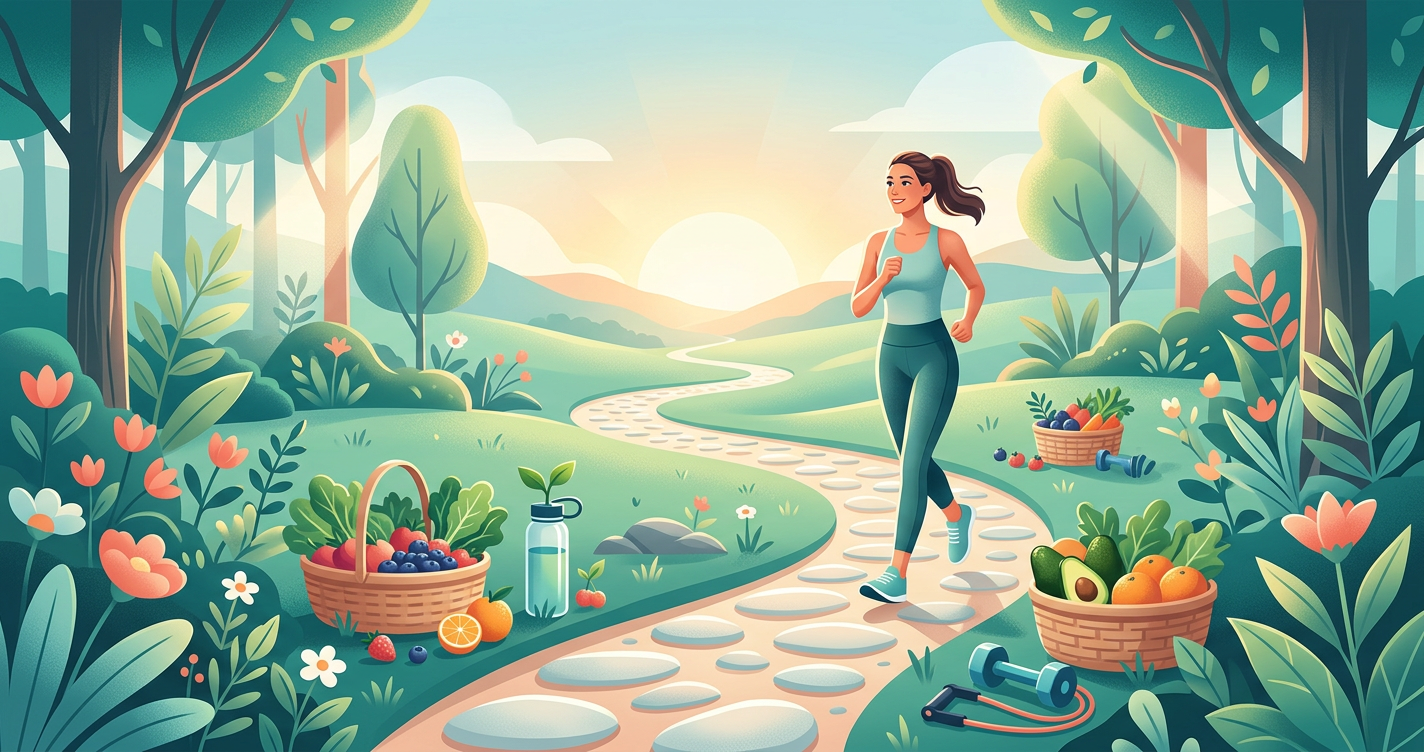
Are you tired of the endless cycle of dieting, losing a few pounds, only to gain them back (and sometimes more)? You’re not alone. In a world obsessed with quick fixes and drastic transformations, it’s easy to get caught up in the allure of crash diets. But what if there was a better way? A sustainable, science-backed approach that not only helps you shed body fat but also improves your overall health, energy, and relationship with food?
This guide is your friendly, evidence-based roadmap to achieving lasting fat loss, not just temporary weight loss. We’ll explore why crash diets ultimately fail, and then dive into the holistic strategies that empower you to build habits for a healthier, leaner you, for good. this excellent wellness product
The Pitfalls of Quick Fixes: Why Crash Diets Fail Every Time
The promise of rapid weight loss is incredibly tempting, but crash diets, by their very nature, are unsustainable. They typically involve severe calorie restriction, cutting out entire food groups, or relying on extreme detoxes. While you might see the scale drop initially, here’s why they’re a recipe for frustration and eventual rebound:
- Metabolic Slowdown: Your body is smart. When faced with extreme calorie deprivation, it goes into 'survival mode,' slowing down your metabolism to conserve energy. This makes it harder to lose fat and easier to regain weight once you return to normal eating.
- Muscle Loss: Rapid weight loss from crash diets often includes a significant amount of muscle, not just fat. Muscle is metabolically active, meaning it burns more calories at rest. Losing muscle further hinders your long-term fat loss efforts.
- Nutrient Deficiencies: Restrictive eating can lead to a lack of essential vitamins, minerals, and macronutrients, impacting your energy levels, immune system, and overall health.
- Unhealthy Relationship with Food: Crash diets foster deprivation, guilt, and often lead to binge eating cycles. This can damage your mental well-being and make healthy eating feel like a punishment rather than nourishment.
- Unsustainable Habits: These diets are not designed for real life. They don't teach you how to eat balanced meals in social settings, manage cravings, or build a healthy lifestyle that you can maintain forever.
True fat loss is a marathon, not a sprint. It’s about creating a calorie deficit in a way that nourishes your body, preserves muscle, and fosters sustainable habits.
Nutrition for Lasting Results: Fueling Your Body Smartly
When it comes to sustainable fat loss, nutrition is paramount. It’s not about deprivation; it’s about smart choices that fuel your body and keep you feeling satisfied.
The Power of a Calorie Deficit (The Right Way)
At its core, fat loss requires consuming fewer calories than your body burns. This is known as a calorie deficit. However, instead of drastic cuts, aim for a moderate deficit of 300-500 calories per day. This allows for steady, sustainable fat loss (typically 1-2 pounds per week) while preserving muscle mass and metabolic function.
Embrace Whole, Unprocessed Foods
Focus your diet around nutrient-dense, whole foods. These are rich in vitamins, minerals, and fiber, which promote satiety and overall health:
- Lean Proteins: Chicken breast, turkey, fish, eggs, Greek yogurt, tofu, lentils. Protein is crucial for muscle preservation, recovery, and keeping you full.
- Complex Carbohydrates: Oats, brown rice, quinoa, sweet potatoes, whole-grain bread. These provide sustained energy and fiber.
- Healthy Fats: Avocados, nuts, seeds, olive oil, fatty fish. Healthy fats are essential for hormone production, nutrient absorption, and satiety.
- Plenty of Fruits and Vegetables: These are low in calories, high in fiber, and packed with vital nutrients. Fill half your plate with colorful veggies!
Hydration is Key
Don't underestimate the power of water. Drinking enough water can help with satiety, boost metabolism slightly, and is vital for all bodily functions. Aim for at least 8 glasses a day, and consider drinking a glass before meals.
Movement That Matters: Exercise for Fat Loss and Well-being
While nutrition lays the foundation, exercise is the accelerator for sustainable fat loss. It helps burn calories, builds muscle (which boosts metabolism), improves cardiovascular health, and enhances mood.
Prioritize Strength Training
If you’re not already lifting weights, now is the time to start! Strength training (using weights, resistance bands, or your own body weight) is incredibly effective for fat loss because it:
- Builds Muscle: More muscle means a higher resting metabolic rate, burning more calories even when you’re not exercising.
- Shapes Your Body: It sculpts and tones, giving you a leaner, stronger physique.
- Boosts Metabolism Post-Workout: The 'afterburn effect' (EPOC) means your body continues to burn calories at an elevated rate for hours after your session.
Aim for 2-4 strength training sessions per week, focusing on compound movements that work multiple muscle groups.
Incorporate Cardio for Heart Health and Calorie Burn
Cardiovascular exercise, like brisk walking, jogging, cycling, or swimming, is excellent for heart health and can contribute to your calorie deficit. While strength training is king for muscle preservation during fat loss, cardio complements it beautifully. Find activities you enjoy and aim for 150-300 minutes of moderate-intensity cardio per week.
Boost Your NEAT (Non-Exercise Activity Thermogenesis)
This refers to the calories you burn through everyday activities outside of structured exercise. Things like walking more, taking the stairs, standing at your desk, fidgeting, or doing housework all add up. Increasing your NEAT can significantly contribute to your overall calorie expenditure without feeling like a 'workout.'
Beyond Diet and Exercise: The Unsung Heroes of Fat Loss
Sustainable fat loss isn't just about what you eat and how much you move. Lifestyle factors play a massive role in your body's ability to burn fat and maintain a healthy weight.
Optimize Your Sleep Quality
Sleep is often overlooked but profoundly impacts fat loss. Lack of sleep disrupts hormones that regulate appetite (ghrelin and leptin), leading to increased cravings for unhealthy foods and a higher likelihood of storing fat. Aim for 7-9 hours of quality sleep per night. Create a relaxing bedtime routine, keep your bedroom dark and cool, and limit screen time before bed.
Master Stress Management
Chronic stress triggers the release of cortisol, a hormone that can promote fat storage, particularly around the abdominal area. High cortisol levels can also increase appetite and cravings. Incorporate stress-reducing activities into your daily routine:
- Meditation or deep breathing exercises
- Yoga or gentle stretching
- Spending time in nature
- Engaging in hobbies you enjoy
- Connecting with loved ones
Cultivate a Positive Mindset and Practice Patience
Fat loss is not linear. There will be good days and challenging days. A positive, patient mindset is crucial for long-term success. Focus on progress, not perfection. Celebrate small victories, learn from setbacks, and be kind to yourself. Understand that sustainable results take time and consistent effort. Embrace the journey of becoming a healthier you.
Building Your Sustainable Fat Loss Roadmap
Ready to ditch the yo-yo dieting and embrace a healthier, more sustainable path? Here’s how to get started:
- Assess Your Current Habits: Keep a food and activity journal for a few days. This helps you identify areas for improvement.
- Set Realistic Goals: Aim for 1-2 pounds of fat loss per week. This is sustainable and healthy.
- Prioritize Protein & Fiber: Make sure every meal has a good source of lean protein and plenty of vegetables.
- Start Strength Training: If new, consider working with a trainer or following a beginner-friendly program.
- Increase Daily Movement: Find ways to walk more, take the stairs, or stand up frequently throughout your day.
- Optimize Sleep & Stress: Make sleep a priority and find healthy ways to manage stress.
- Be Consistent, Not Perfect: Consistency over time yields results. One 'off' meal or day won't derail your progress.
- Seek Support: Share your goals with friends or family, or join a supportive community.
Conclusion: Your Journey to Lasting Health and Confidence
Sustainable fat loss is not about deprivation or chasing fleeting results; it’s about embracing a holistic lifestyle that nourishes your body, strengthens your mind, and invigorates your spirit. By focusing on smart nutrition, effective exercise, quality sleep, stress management, and a positive mindset, you’re not just losing fat—you’re building a foundation for lifelong health, energy, and confidence.
Forget the quick fixes. Choose the smart way. Choose consistency, patience, and self-care. Your body will thank you, and the lasting results will be far more rewarding than any crash diet could ever promise.