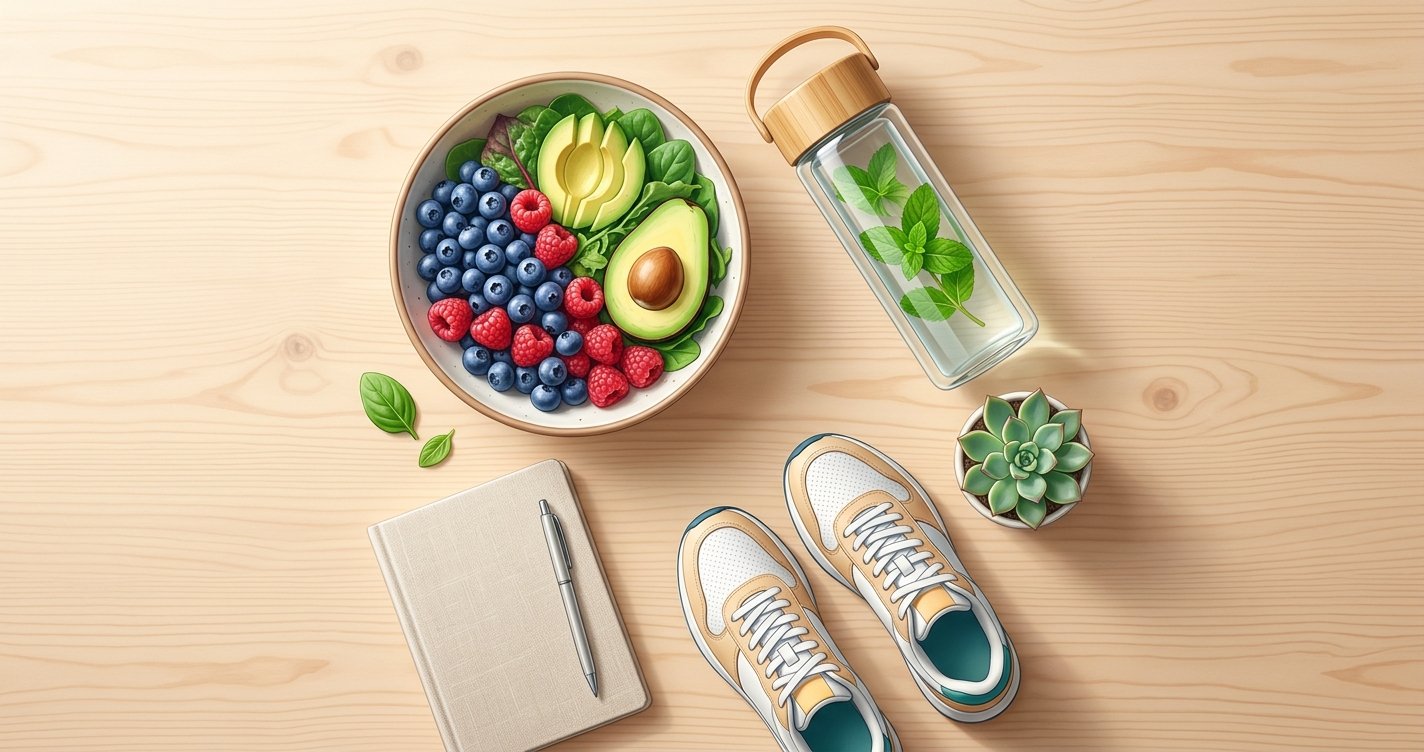
Are you tired of the endless cycle of crash diets, restrictive eating, and the frustrating rebound weight gain? You’re not alone. In a world obsessed with quick fixes, it's easy to fall prey to promises of rapid fat loss that rarely deliver long-term results. The truth is, sustainable fat loss isn't about deprivation; it's about cultivating healthy, consistent habits that you can maintain for life. This isn't just about looking better, but feeling better, having more energy, and improving your overall health and well-being.
This comprehensive guide will walk you through evidence-based strategies to achieve lasting fat loss without resorting to extreme measures. We'll explore the foundational principles, practical nutrition tips, effective exercise approaches, and crucial lifestyle factors that often get overlooked. Get ready to shift your mindset, nourish your body, and build a healthier, happier you – one sustainable step at a time. this excellent wellness product
Understanding the Foundation: The Gentle Calorie Deficit
At its core, fat loss boils down to one fundamental principle: consuming fewer calories than your body expends. This creates a calorie deficit, prompting your body to tap into its fat stores for energy. However, the key word here is 'gentle'.
Why Extreme Deficits Backfire
While a calorie deficit is necessary, a drastic one can be counterproductive. Severely restricting calories can:
- Slow down your metabolism as your body tries to conserve energy.
- Lead to muscle loss, which further reduces your metabolic rate.
- Cause extreme hunger, fatigue, irritability, and nutrient deficiencies.
- Be unsustainable, often leading to binge eating and rebound weight gain.
Instead of aiming for a drastic cut, focus on a moderate deficit of 300-500 calories per day. This allows for steady, healthy fat loss (typically 1-2 pounds per week) without the negative side effects, making it far more sustainable.
Tips for Creating a Gentle Deficit
- Track your intake: Use a food diary or app for a few days to understand your current calorie intake.
- Mind your portions: Often, simply being more mindful of serving sizes can create a deficit.
- Swap wisely: Choose lower-calorie, nutrient-dense alternatives (e.g., water instead of soda, baked not fried).
- Prioritize whole foods: They are generally more filling and lower in calories than processed options.
Fueling Your Body Right: Nutrition for Sustainable Fat Loss
Nutrition is arguably the most critical component of any fat loss journey. It's not just about calories; it's about the quality of those calories and how they impact your satiety, energy levels, and overall health.
The Power of Protein
Protein is your best friend for fat loss. Here's why:
- Satiety: Protein keeps you feeling fuller for longer, reducing the urge to snack.
- Thermogenic effect: Your body expends more energy digesting protein compared to carbs or fats.
- Muscle preservation: Adequate protein intake helps prevent muscle loss during a calorie deficit.
Aim for 0.7-1 gram of protein per pound of body weight daily, distributed across your meals. Think lean meats, poultry, fish, eggs, dairy, legumes, and protein supplements.
Embrace Fiber and Whole Foods
Fiber-rich foods are another cornerstone of a fat-loss diet. Found in fruits, vegetables, whole grains, and legumes, fiber:
- Adds bulk to your meals, enhancing satiety without adding many calories.
- Helps regulate blood sugar levels, preventing energy crashes and cravings.
- Supports a healthy digestive system.
Focus on a plate rich in colorful vegetables and moderate portions of whole fruits and grains.
Smart Carb and Fat Choices
Carbohydrates and fats have gotten a bad rap, but they are essential for energy and hormone function. The key is making smart choices:
- Complex Carbs: Opt for whole grains (oats, quinoa, brown rice), sweet potatoes, and legumes over refined carbs (white bread, sugary cereals). They provide sustained energy and fiber.
- Healthy Fats: Include sources like avocados, nuts, seeds, olive oil, and fatty fish. These are crucial for hormone production, nutrient absorption, and satiety, but remember they are calorie-dense, so moderation is key.
Move More, Live Better: The Role of Exercise
While you can't out-exercise a poor diet, physical activity plays a vital role in fat loss and overall health. It helps create a calorie deficit, builds muscle, improves metabolism, and boosts mood.
Strength Training: Your Fat-Burning Friend
Don't skip the weights! Strength training is incredibly effective for fat loss because:
- Builds Muscle: Muscle tissue is more metabolically active than fat tissue, meaning you burn more calories at rest.
- Boosts Metabolism: The 'afterburn effect' (EPOC) means your body continues to burn calories for hours after a strength workout.
- Shapes Your Body: Beyond the scale, strength training helps improve body composition and creates a more toned physique.
Aim for 2-4 strength training sessions per week, targeting all major muscle groups.
Cardio: Heart Health and Calorie Burn
Cardiovascular exercise, like brisk walking, jogging, cycling, or swimming, is excellent for burning calories and improving heart health. It can be a great way to increase your calorie deficit.
- Low-Intensity Steady State (LISS): Long, moderate-paced walks are great for active recovery and burning fat without excessive stress.
- High-Intensity Interval Training (HIIT): Short bursts of intense exercise followed by brief recovery periods can be very time-efficient for calorie burning and improving fitness.
Find what you enjoy and aim for at least 150 minutes of moderate-intensity or 75 minutes of vigorous-intensity cardio per week.
NEAT: The Unsung Hero of Movement
Non-Exercise Activity Thermogenesis (NEAT) refers to the calories you burn through everyday movements not related to structured exercise. Think walking, standing, fidgeting, taking the stairs, or doing household chores. Increasing your NEAT can significantly contribute to your daily calorie expenditure without feeling like a 'workout'.
Beyond Diet and Exercise: The Crucial Lifestyle Factors
True sustainable fat loss isn't just about what you eat and how you move; it's deeply intertwined with your overall lifestyle. Overlooking these factors can sabotage even the most diligent efforts.
The Crucial Role of Sleep
Sleep is not a luxury; it's a necessity for fat loss. Lack of sleep can:
- Increase hunger hormones: Disrupts ghrelin (hunger hormone) and leptin (satiety hormone), leading to increased cravings, especially for high-carb, high-fat foods.
- Elevate stress hormones: Raises cortisol, which can promote fat storage, particularly around the belly.
- Reduce energy: Makes you less likely to exercise and more likely to make poor food choices.
Aim for 7-9 hours of quality sleep per night. Establish a consistent sleep schedule and create a relaxing bedtime routine.
Mastering Stress for Better Results
Chronic stress can be a silent saboteur of your fat loss goals. When stressed, your body releases cortisol, which, as mentioned, can encourage fat storage and increase cravings. Find healthy ways to manage stress:
- Practice mindfulness or meditation.
- Engage in hobbies you enjoy.
- Spend time in nature.
- Connect with loved ones.
- Consider journaling or deep breathing exercises.
Hydration: Simple Yet Powerful
Drinking enough water is a simple yet often overlooked strategy. Water can:
- Help you feel fuller, potentially reducing overall calorie intake.
- Boost your metabolism slightly.
- Aid in nutrient transport and waste elimination.
Aim for 8-10 glasses of water per day, and even more if you're active.
Cultivating a Healthy Mindset: The Key to Long-Term Success
Fat loss is as much a mental game as it is a physical one. Developing a positive, patient, and resilient mindset is crucial for navigating challenges and achieving lasting results.
Mindful Eating Practices
Instead of just counting calories, practice mindful eating:
- Eat slowly and savor your food.
- Pay attention to your body's hunger and fullness cues.
- Minimize distractions while eating.
- Understand the emotional triggers behind your eating habits.
This approach helps you build a healthier relationship with food and prevents overeating.
Be Patient and Consistent
Sustainable fat loss takes time. There will be good days and challenging days. Don't get discouraged by slow progress or occasional setbacks. Focus on consistency over perfection. Small, consistent efforts compound over time into significant results.
Celebrate Small Victories
Acknowledge and celebrate every positive step you take, whether it's sticking to your meal plan, completing a challenging workout, or choosing water over soda. These small wins build momentum and reinforce positive habits, keeping you motivated on your journey.
Embrace Your Journey to Lasting Health
Ditching the crash diets and embracing a sustainable approach to fat loss is perhaps the most empowering decision you can make for your health. It's a journey of self-discovery, learning what truly nourishes your body, and building habits that serve you for a lifetime.
Remember, this isn't about perfection; it's about progress. Be kind to yourself, stay consistent, and trust the process. You have the power to transform your health, not just for a season, but for good. Start today by choosing one small, sustainable change, and watch as it paves the way for a healthier, happier you.