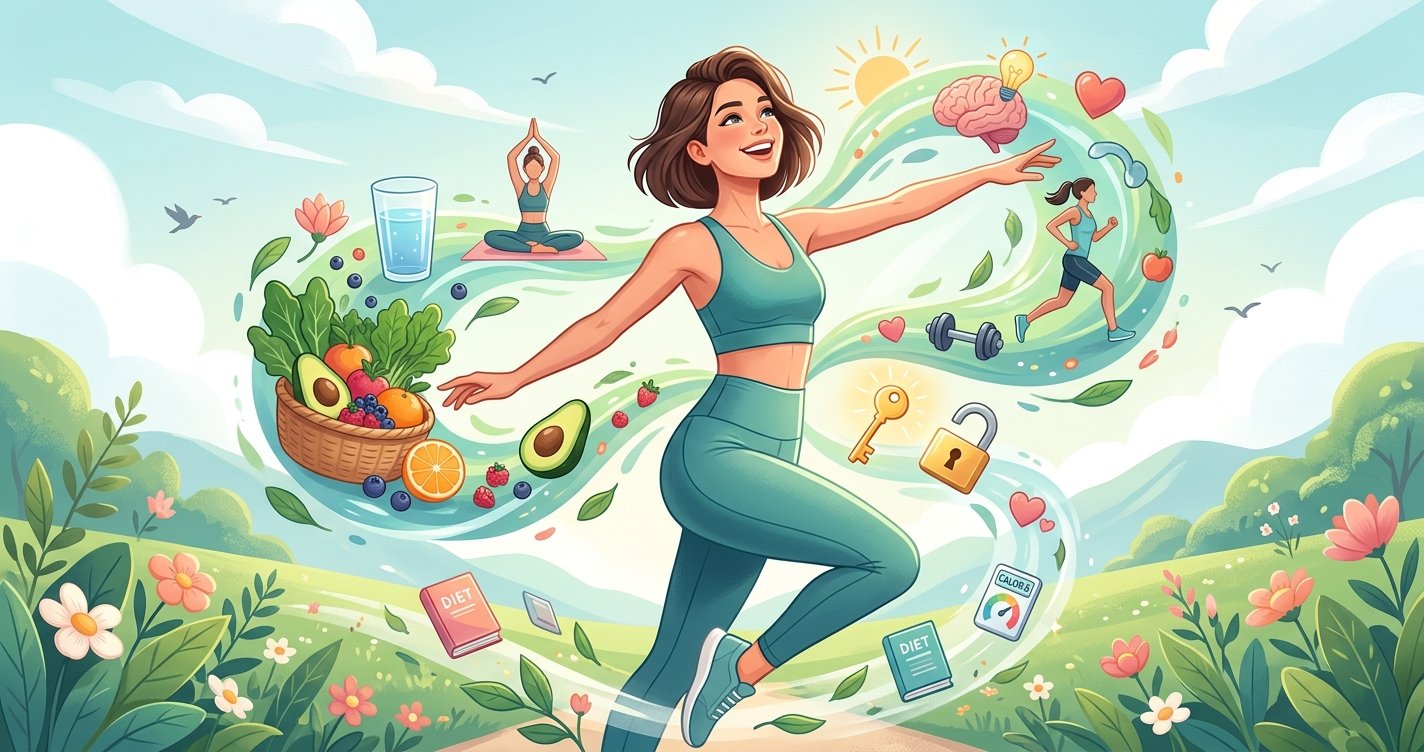
Unlock Sustainable Fat Loss: Ditch the Diets, Embrace a Healthier You
Are you tired of the endless cycle of restrictive diets, quick fixes, and disappointing rebounds? You're not alone. In a world obsessed with rapid weight loss, it's easy to fall prey to promises that rarely deliver lasting results. But what if there was a better way? A path to fat loss that doesn't involve deprivation, guilt, or unsustainable sacrifices? The good news is, there is. This isn't about dieting; it's about building a healthier, happier you through sustainable lifestyle changes that genuinely work.
Forget the notion that fat loss has to be a grueling battle. We're going to explore how to achieve and maintain your ideal body composition by nourishing your body, moving with purpose, and cultivating a positive mindset. This evidence-based, friendly guide will empower you to break free from restrictive eating and embrace a sustainable approach to fat loss that lasts a lifetime. this excellent wellness product
Why Crash Diets Crash and Burn (and What to Do Instead)
The allure of losing 10 pounds in a week is powerful, but the reality of crash diets is often disappointing and even detrimental to your health. These extreme approaches typically involve severe calorie restriction, cutting out entire food groups, and an unsustainable level of discipline. While they might show initial results, they often lead to metabolic slowdown, nutrient deficiencies, intense cravings, and ultimately, rebound weight gain – often more than you lost.
Your body is incredibly smart. When it senses starvation, it adapts by slowing down your metabolism to conserve energy. This makes future fat loss even harder. Instead of fighting your body, let's work with it. Sustainable fat loss hinges on creating a mild and consistent caloric deficit that your body can adapt to without feeling deprived or going into 'survival mode'.
The Calorie Deficit: Myth vs. Reality
Yes, a caloric deficit is necessary for fat loss – you need to consume fewer calories than you burn. However, the 'reality' of sustainable fat loss is that this deficit doesn't need to be extreme. A modest deficit of 300-500 calories per day is often enough to promote steady, healthy fat loss (around 1-2 pounds per week) without triggering the negative metabolic and psychological effects of crash dieting. Focus on nutrient-dense foods that keep you full, rather than simply eating less of everything.
Fueling Your Body, Not Just Filling It: The Power of Whole Foods
When it comes to fat loss, what you eat is just as important as how much you eat. Shifting your focus from restrictive rules to nourishing your body with whole, unprocessed foods is a game-changer. These foods are rich in nutrients, fiber, and protein, all of which contribute to satiety, stable blood sugar, and a healthy metabolism.
Protein: Your Satiety Superpower
Protein is king for fat loss. It's the most thermogenic macronutrient, meaning your body burns more calories digesting it. More importantly, protein keeps you feeling full and satisfied for longer, reducing cravings and preventing overeating. It also helps preserve muscle mass during a caloric deficit, which is crucial for maintaining a healthy metabolism.
- Lean Sources: Chicken breast, turkey, fish, lean beef, eggs, Greek yogurt, cottage cheese, tofu, lentils, beans.
Fiber: The Gut-Friendly Fullness Factor
Found abundantly in fruits, vegetables, whole grains, and legumes, fiber adds bulk to your meals without adding many calories. It slows down digestion, promotes feelings of fullness, and supports a healthy gut microbiome, which is increasingly linked to weight management.
- Fiber Heroes: Berries, leafy greens, broccoli, oats, quinoa, apples, chia seeds, flax seeds.
Healthy Fats: Essential for Everything
Don't fear fats! Healthy fats are vital for hormone production, nutrient absorption, and keeping you satisfied. While calorie-dense, incorporating moderate amounts of unsaturated fats can actually aid in fat loss by enhancing satiety and providing essential fatty acids.
- Good Fat Sources: Avocados, nuts, seeds, olive oil, fatty fish (salmon, mackerel).
Beyond the Plate: Movement as a Lifestyle, Not a Punishment
Exercise isn't just about burning calories; it's about building strength, improving cardiovascular health, boosting mood, and enhancing overall vitality. When approached as a joyful part of your lifestyle rather than a dreaded chore, movement becomes a powerful ally in your fat loss journey.
Strength Training: Build Muscle, Boost Metabolism
Don't skip the weights! Building muscle is one of the most effective ways to boost your metabolism, as muscle tissue burns more calories at rest than fat tissue. Strength training also shapes your body, improves bone density, and makes everyday tasks easier.
Cardio: Heart Health & Calorie Burn
Cardiovascular exercise, like brisk walking, jogging, cycling, or swimming, is excellent for heart health and burns calories. Find activities you genuinely enjoy to ensure consistency. Aim for at least 150 minutes of moderate-intensity cardio or 75 minutes of vigorous-intensity cardio per week.
NEAT: The Unsung Hero of Daily Activity
NEAT (Non-Exercise Activity Thermogenesis) refers to the calories you burn doing everyday activities outside of structured exercise – walking, standing, fidgeting, taking the stairs. Increasing your NEAT can significantly contribute to your daily calorie expenditure without feeling like a workout. Park further away, take walking breaks, stand at your desk!
The Unsung Heroes of Fat Loss: Sleep, Stress, and Hydration
Often overlooked, these three factors play a critical role in your body's ability to shed fat and maintain a healthy weight. Neglecting them can sabotage even the most diligent efforts in diet and exercise.
The Sleep-Hormone Connection
Poor sleep disrupts hormones that regulate appetite and metabolism. Lack of sleep increases ghrelin (the hunger hormone) and decreases leptin (the satiety hormone), leading to increased cravings, especially for unhealthy foods. Aim for 7-9 hours of quality sleep per night to optimize your body's fat-burning potential.
Stress Less, Lose More
Chronic stress elevates cortisol levels, a hormone that can promote fat storage, particularly around the abdominal area. Find healthy ways to manage stress, such as meditation, yoga, spending time in nature, or engaging in hobbies. Prioritizing mental well-being is not just about feeling good; it's a vital part of sustainable fat loss.
Hydration: Simple Yet Powerful
Drinking enough water is fundamental. Water aids in metabolism, helps you feel full, and can prevent you from mistaking thirst for hunger. Keep a water bottle handy and sip throughout the day. Sometimes, a glass of water is all you need to curb a craving.
Mindset Matters: Cultivating Patience and Self-Compassion
Your mental approach to fat loss is arguably the most important factor for long-term success. This journey is not a sprint; it's a marathon with ups and downs. Patience, persistence, and self-compassion are your most powerful tools.
Ditching Perfectionism for Progress
Don't aim for perfection; aim for consistency and progress. One 'bad' meal or missed workout doesn't derail your entire journey. Learn from slip-ups, forgive yourself, and get back on track. Celebrate small victories and acknowledge your efforts. Developing a positive relationship with your body and food is key to lasting change.
Practical Steps for Lasting Change
Ready to put it all into action? Here are some actionable strategies to help you build sustainable habits:
- Mindful Eating & Portion Awareness: Pay attention to your body's hunger and fullness cues. Eat slowly, savor your food, and put down your fork between bites. Understand appropriate portion sizes without obsessively counting every calorie.
- Consistent Small Changes: Instead of overhauling everything at once, pick one or two habits to focus on each week. Add a serving of vegetables to every meal, drink an extra glass of water, or take a 15-minute walk daily. Small, consistent changes add up to massive results.
- Meal Planning & Preparation: Spending a little time each week planning and prepping meals can prevent impulsive, unhealthy choices when hunger strikes. Cook in bulk, chop veggies in advance, and portion out snacks.
- Track Progress (Not Just the Scale): The scale is just one metric. Also, pay attention to how your clothes fit, your energy levels, strength gains in the gym, improved sleep, and overall mood. Non-scale victories are incredibly motivating.
Your Journey to Sustainable Fat Loss Starts Now!
Embracing a sustainable approach to fat loss means letting go of the all-or-nothing mentality and welcoming a journey of continuous improvement. It's about making choices that nourish your body, energize your spirit, and fit seamlessly into your life. Remember, this isn't about chasing a number on the scale; it's about building a healthier, stronger, and more vibrant you – one consistent, compassionate step at a time. You have the power to transform your relationship with food, exercise, and your body. Start today, and discover the lasting joy of a truly healthy lifestyle.