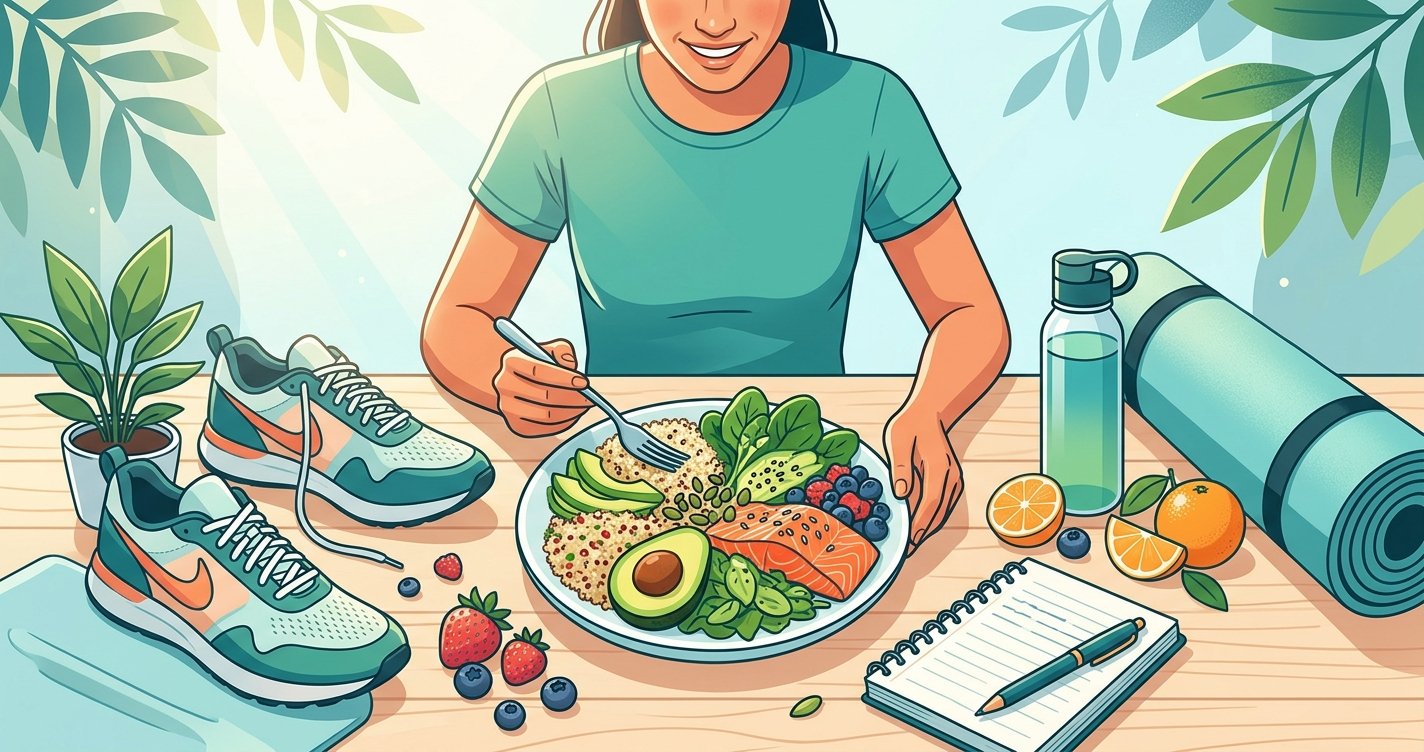
Are you tired of the endless cycle of restrictive diets, quick fixes, and the inevitable rebound? You're not alone. In a world obsessed with rapid weight loss, many people find themselves trapped in a frustrating loop that rarely delivers sustainable results. The truth is, lasting fat loss isn't about deprivation; it's about building healthy, consistent habits that support your body and mind for the long haul. This isn't just wishful thinking; it's backed by science.
This guide will help you step off the diet roller coaster and onto a path of sustainable fat loss, focusing on evidence-based strategies that nourish your body, boost your metabolism, and cultivate a positive relationship with food and exercise. Get ready to transform your approach and achieve results that truly last. this excellent wellness product
The Diet Trap: Why Quick Fixes Fail
Before diving into sustainable strategies, let's understand why traditional diets often fall short. Most restrictive diets promise fast results by severely limiting calories or entire food groups. While you might see initial drops on the scale, these approaches are rarely sustainable. They can lead to nutrient deficiencies, metabolic slowdown, increased cravings, and a constant feeling of deprivation, often resulting in regaining lost weight, sometimes even more. Your body is smart; it's designed for survival, and extreme restriction often triggers protective mechanisms that hinder long-term fat loss.
Moreover, diets often ignore the psychological aspects of eating. They don't teach you how to handle stress, emotional eating, or navigate social situations. Our goal here is to empower you with knowledge and tools that fit into your real life, making health a lifestyle, not a temporary project.
Understanding the Core Principle: The Calorie Deficit, Reimagined
At its heart, fat loss boils down to a simple scientific principle: you must consume fewer calories than your body burns. This is known as a calorie deficit. However, the way we achieve this deficit makes all the difference for sustainability.
It's Not About Starvation, It's About Balance
Forget drastic cuts that leave you ravenous. A sustainable calorie deficit is moderate, typically 300-500 calories below your maintenance level. This allows your body to tap into its fat stores for energy without triggering extreme hunger or negatively impacting your metabolism. We achieve this deficit not by starving, but by making smarter food choices that provide satiety and nutrients, and by increasing our daily energy expenditure through movement.
Tools like online calculators can estimate your daily calorie needs, but remember, these are starting points. Listen to your body, track your progress, and adjust as needed. The goal is consistent, gradual progress, not a race to the bottom.
Fueling Your Body Smartly: Nutrition Beyond Restriction
Sustainable fat loss emphasizes nutrient-dense foods that keep you full, energized, and support your body's functions. It's about adding good things, not just taking away 'bad' ones.
The Power of Protein and Fiber
- Protein: Essential for building and repairing muscle, protein is also incredibly satiating. Research consistently shows that a higher protein intake (around 0.7-1 gram per pound of body weight) can help preserve muscle mass during a deficit, boost metabolism, and reduce hunger. Think lean meats, poultry, fish, eggs, dairy, legumes, and tofu.
- Fiber: Found in fruits, vegetables, whole grains, and legumes, fiber adds bulk to your meals, promoting fullness and aiding digestion. It also helps stabilize blood sugar levels, preventing energy crashes and cravings. Aim for a variety of colorful produce to maximize nutrient intake.
Smart Carb Choices and Healthy Fats
- Complex Carbohydrates: Don't fear carbs! Opt for complex carbohydrates like whole grains (oats, brown rice, quinoa), sweet potatoes, and root vegetables. These provide sustained energy, fiber, and essential nutrients, unlike refined carbs that lead to sugar spikes and crashes.
- Healthy Fats: Fats are crucial for hormone production, nutrient absorption, and satiety. Focus on unsaturated fats from sources like avocados, nuts, seeds, olive oil, and fatty fish. Moderation is key, as fats are calorie-dense, but don't eliminate them.
Hydration: Your Unsung Hero
Drinking plenty of water is vital. It aids metabolism, helps you feel full, and can sometimes be mistaken for hunger. Aim for at least 8 glasses a day, and more if you're active.
Move Your Body, Not Just Your Scale: The Role of Exercise
While nutrition is paramount, incorporating regular physical activity significantly enhances fat loss and overall health. It's not just about burning calories; it's about building a stronger, more resilient body.
Strength Training: Your Metabolism's Best Friend
Resistance training is arguably the most impactful exercise for fat loss. Building muscle increases your resting metabolic rate, meaning you burn more calories even at rest. It also helps improve body composition, sculpting a leaner physique. Aim for 2-4 sessions per week, targeting all major muscle groups.
Cardio for Health and Energy (Not Just Calorie Burn)
Cardiovascular exercise (like brisk walking, jogging, cycling, or swimming) is excellent for heart health, endurance, and boosting your mood. While it burns calories during the activity, its primary role in sustainable fat loss is less about direct calorie burn and more about improving overall fitness and energy levels, which make daily activities easier and more enjoyable. Incorporate 150-300 minutes of moderate-intensity cardio per week.
NEAT: The Hidden Calorie Burner
Non-Exercise Activity Thermogenesis (NEAT) refers to the calories you burn through everyday movements not related to structured exercise – walking, fidgeting, standing, cleaning. Increasing your NEAT by taking the stairs, parking further away, or standing more can significantly contribute to your overall calorie expenditure without feeling like a workout.
The Mind-Body Connection: Mastering Your Mental Game
Fat loss isn't just physical; it's profoundly psychological. Addressing your mindset, stress levels, and sleep quality is crucial for long-term success.
Mindful Eating: Reconnecting with Hunger and Fullness
Slow down and pay attention to your body's hunger and fullness cues. Eat without distractions, savor your food, and stop when you're comfortably full, not stuffed. This practice helps you develop a healthier relationship with food, preventing overeating and emotional eating.
Stress Management: Taming the Cortisol Beast
Chronic stress elevates cortisol levels, a hormone that can promote fat storage, especially around the midsection. Find healthy ways to manage stress, whether it's meditation, yoga, spending time in nature, or engaging in hobbies you love. Prioritizing mental well-being is not a luxury; it's a necessity for sustainable fat loss.
Quality Sleep: The Foundation of Fat Loss
Sleep deprivation throws your hunger hormones (ghrelin and leptin) out of whack, increasing appetite and cravings for unhealthy foods. It also impairs insulin sensitivity and can reduce your motivation for exercise. Aim for 7-9 hours of quality sleep per night to optimize your body's fat-burning potential and overall health.
Building Habits That Last: The Journey, Not the Destination
Sustainable fat loss is a marathon, not a sprint. It's about consistency, patience, and making small, incremental changes that become second nature.
Small, Consistent Changes Over Grand Gestures
Instead of overhauling everything at once, pick one or two habits to focus on each week. Maybe it's adding a serving of vegetables to every meal, drinking more water, or going for a 15-minute walk daily. These small victories build momentum and confidence, making the journey feel less daunting.
Patience, Persistence, and Self-Compassion
There will be plateaus, setbacks, and days when motivation wanes. This is normal. Don't let a slip-up derail your entire journey. Instead, practice self-compassion, learn from the experience, and get back on track. Celebrate your progress, acknowledge your efforts, and remember that consistency, not perfection, is the key.
Your Sustainable Path to a Healthier You
Ditching the diet mentality and embracing a sustainable approach to fat loss is liberating and effective. By focusing on a moderate calorie deficit, nutrient-dense foods, consistent exercise (especially strength training), quality sleep, and stress management, you're not just losing weight; you're building a healthier, happier, and more energetic life. This isn't a temporary fix; it's a permanent upgrade to your well-being. Start today, one small, consistent step at a time, and watch your body and life transform.