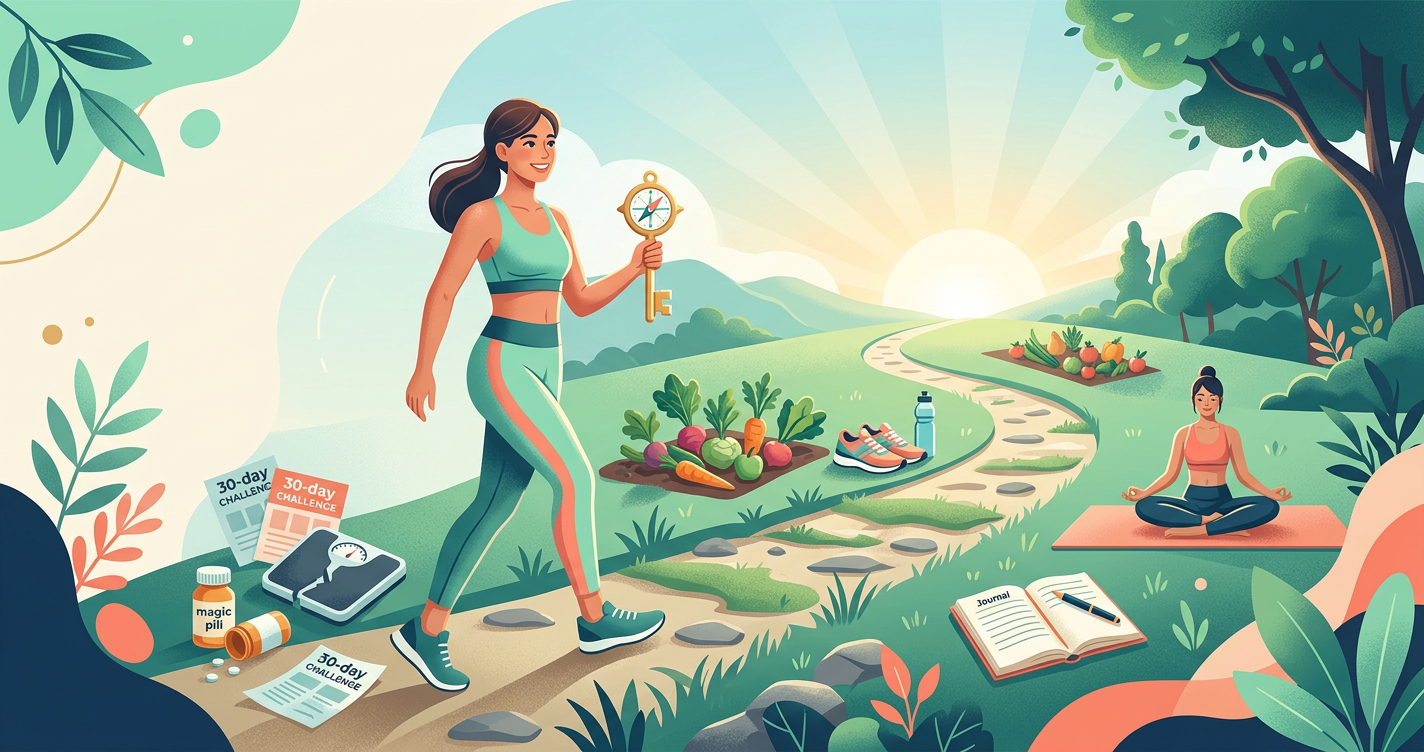
Unlock Lasting Results: Your Guide to Sustainable Fat Loss Beyond Quick Fixes
In a world overflowing with "lose weight fast" promises and trendy diets, it's easy to get caught in the cycle of quick fixes. We've all seen them: the extreme detoxes, the magic pills, the restrictive plans that promise a new you in mere weeks. While the allure of rapid results is strong, the reality is often disappointing, leading to frustration, burnout, and – more often than not – the return of lost weight. But what if there was a better way? A path to fat loss that not only works but lasts? Welcome to the world of sustainable fat loss, where genuine, evidence-based strategies replace fleeting fads, helping you build a healthier, happier you for the long haul.
This guide is designed to empower you with the knowledge and tools to achieve lasting fat loss by focusing on habits, consistency, and a deep understanding of your body. We'll explore the foundational principles that truly drive results, moving beyond the superficial to cultivate a lifestyle that supports your goals without feeling deprived or overwhelmed. Let's ditch the quick fixes and embrace a journey that delivers real, sustainable change. this excellent wellness product
The Foundation: Understanding the Calorie Deficit (Without Starvation)
At the heart of all fat loss lies a simple scientific principle: a calorie deficit. This means consistently consuming slightly fewer calories than your body expends. When your body doesn't get enough energy from food, it turns to its stored energy reserves – your body fat – to make up the difference. While simple in theory, the key to sustainability lies in how you achieve this deficit.
Many quick-fix diets push extreme calorie restriction, which can lead to rapid initial weight loss but often comes with significant downsides. Severe deficits can slow your metabolism, cause muscle loss (which further hinders metabolism), deplete your energy, and trigger intense cravings, making adherence nearly impossible. Instead, aim for a moderate, sustainable deficit of 300-500 calories below your maintenance level. This allows for consistent fat loss (typically 1-2 pounds per week) without sacrificing your health or sanity.
Understanding your Basal Metabolic Rate (BMR) and Total Daily Energy Expenditure (TDEE) can be a helpful starting point. While tracking every calorie isn't necessary for everyone long-term, having an initial understanding helps you make informed choices about portion sizes and food selection. Remember, the goal isn't to starve yourself; it's to provide your body with adequate nutrients while encouraging it to tap into fat stores.
Fueling Your Body Right: Nutrition for Sustainable Fat Loss
Nutrition is arguably the most critical component of fat loss. It’s not just about calories; it’s about the quality of those calories and how they impact your satiety, energy, and overall health.
Prioritize Protein: The Satiety and Muscle Protector
If there's one macronutrient to focus on for fat loss, it's protein. Protein is incredibly satiating, meaning it keeps you feeling fuller for longer, reducing the likelihood of overeating. It also has a higher thermic effect of food (TEF) compared to carbs and fats, meaning your body burns more calories digesting it. Crucially, adequate protein intake is vital for preserving lean muscle mass during a calorie deficit, which helps maintain a healthy metabolism.
- Good sources: Lean meats (chicken, turkey, beef), fish, eggs, dairy (Greek yogurt, cottage cheese), legumes, tofu, tempeh, and protein supplements.
Embrace Whole Foods: Fiber, Nutrients, and Satisfaction
Focus on incorporating plenty of whole, unprocessed foods into your diet. These foods are generally nutrient-dense, packed with vitamins, minerals, and fiber. Fiber is a game-changer for fat loss; it adds bulk to your meals, aids digestion, and contributes significantly to satiety. Think vibrant fruits, a rainbow of vegetables, and complex carbohydrates.
- Good sources: Berries, leafy greens, broccoli, carrots, apples, oranges, oats, quinoa, brown rice, sweet potatoes.
Don't Fear Healthy Fats: Hormones and Satiety
While fats are calorie-dense, healthy fats are essential for hormone production, nutrient absorption, and long-term satiety. They play a crucial role in cell function and can help keep you feeling satisfied between meals. The key is moderation and choosing the right types of fats.
- Good sources: Avocados, nuts, seeds, olive oil, fatty fish (salmon, mackerel).
Smart Carb Choices: Energy and Recovery
Carbohydrates provide your body with its primary source of energy. For sustainable fat loss, prioritize complex carbohydrates over refined ones. Complex carbs offer sustained energy, fiber, and nutrients, while refined carbs (like white bread, sugary drinks) often lead to energy crashes and increased hunger.
- Good sources: Whole grains, legumes, fruits, and vegetables.
Move Your Body: Exercise Strategies for Fat Loss
While nutrition creates the deficit, exercise amplifies fat loss, improves body composition, boosts metabolism, and enhances overall health and well-being. It's not just about burning calories; it's about building a stronger, more resilient body.
The Power of Strength Training: Build Muscle, Boost Metabolism
If you're only doing cardio for fat loss, you're missing out on a powerful tool: strength training. Building and maintaining muscle mass is critical because muscle is metabolically active, meaning it burns more calories at rest than fat tissue. This helps increase your resting metabolic rate, making it easier to maintain a calorie deficit and keep the fat off long-term. Plus, strength training sculpts your body, giving you a toned and strong physique.
- Aim for 2-4 strength training sessions per week, focusing on compound movements that work multiple muscle groups. Don't be afraid to lift heavy (safely)!
Cardio for Heart Health and Calorie Burn
Cardiovascular exercise is excellent for burning calories, improving heart health, and boosting endurance. You can choose between high-intensity interval training (HIIT), which involves short bursts of intense effort followed by brief recovery periods, or steady-state cardio (LISS), like jogging or brisk walking. Both have their benefits, and incorporating a mix can be effective.
- Aim for 150-300 minutes of moderate-intensity cardio or 75-150 minutes of vigorous-intensity cardio per week.
NEAT: The Unsung Hero of Daily Activity
Non-Exercise Activity Thermogenesis (NEAT) refers to the calories you burn doing everyday activities that aren't formal exercise – walking, standing, fidgeting, taking the stairs. Increasing your NEAT can significantly contribute to your daily calorie expenditure without feeling like a workout.
- Boost your NEAT: Take the stairs, park further away, walk during phone calls, stand at your desk, do household chores.
Beyond Diet and Exercise: The Mental Game
Sustainable fat loss isn't just about what you eat and how you move; it's deeply intertwined with your mental and emotional well-being. Neglecting these aspects can sabotage even the most well-intentioned efforts.
Sleep: Your Secret Weapon
Poor sleep can wreak havoc on your fat loss efforts. Lack of sleep disrupts hunger-regulating hormones: ghrelin (which increases appetite) goes up, and leptin (which signals fullness) goes down. It also increases cortisol, a stress hormone linked to increased fat storage, particularly around the midsection. Prioritizing 7-9 hours of quality sleep each night is non-negotiable for effective fat loss and overall health.
Stress Management: Taming Cortisol
Chronic stress, much like lack of sleep, elevates cortisol levels. This can lead to increased appetite, cravings for comfort foods, and a tendency to store fat, especially in the abdominal area. Finding healthy ways to manage stress is crucial. This could include meditation, yoga, spending time in nature, journaling, or engaging in hobbies you enjoy.
Mindful Eating and Patience: Building a Healthy Relationship with Food
Sustainable fat loss requires a shift from a restrictive mindset to one of mindful eating and self-compassion. Pay attention to your body's hunger and fullness cues. Eat slowly, savor your food, and avoid distractions. Understand that progress isn't linear; there will be plateaus and setbacks, and that's perfectly normal. Celebrate non-scale victories – improved energy, better sleep, stronger lifts, clothes fitting better – and focus on consistency over perfection.
Ditching the Quick Fix Mentality: Long-Term Success
The allure of quick fixes is powerful because we live in a world that often values instant gratification. However, when it comes to transforming your body and health, the tortoise truly wins the race. Quick fixes often involve extreme measures that are unsustainable, lead to nutrient deficiencies, metabolic damage, and ultimately, rebound weight gain.
Sustainable fat loss is about building healthy habits that you can maintain for life. It's about making small, incremental changes that add up to significant results over time. It's about learning to listen to your body, understanding what fuels it best, and finding joy in movement. This journey isn't just about shedding pounds; it's about cultivating a healthier relationship with food, exercise, and yourself.
If you're feeling overwhelmed, remember you don't have to do it alone. Consider consulting with a registered dietitian, a certified personal trainer, or a healthcare professional who can provide personalized guidance and support on your journey.
Conclusion: Your Sustainable Path to a Healthier You
Embarking on a journey of sustainable fat loss means choosing a path paved with patience, consistency, and evidence-based strategies. It’s about rejecting the temporary allure of crash diets and embracing a lifestyle that nourishes your body, strengthens your mind, and elevates your spirit. By focusing on a moderate calorie deficit, prioritizing protein and whole foods, incorporating strength training and active movement, and nurturing your mental well-being through sleep and stress management, you're not just losing fat – you're building a foundation for lifelong health and vitality.
Remember, this is your journey, and every small, consistent step forward is a victory. Celebrate your progress, learn from your challenges, and trust in the power of sustainable habits. You have the power to create lasting change and unlock a healthier, happier you.