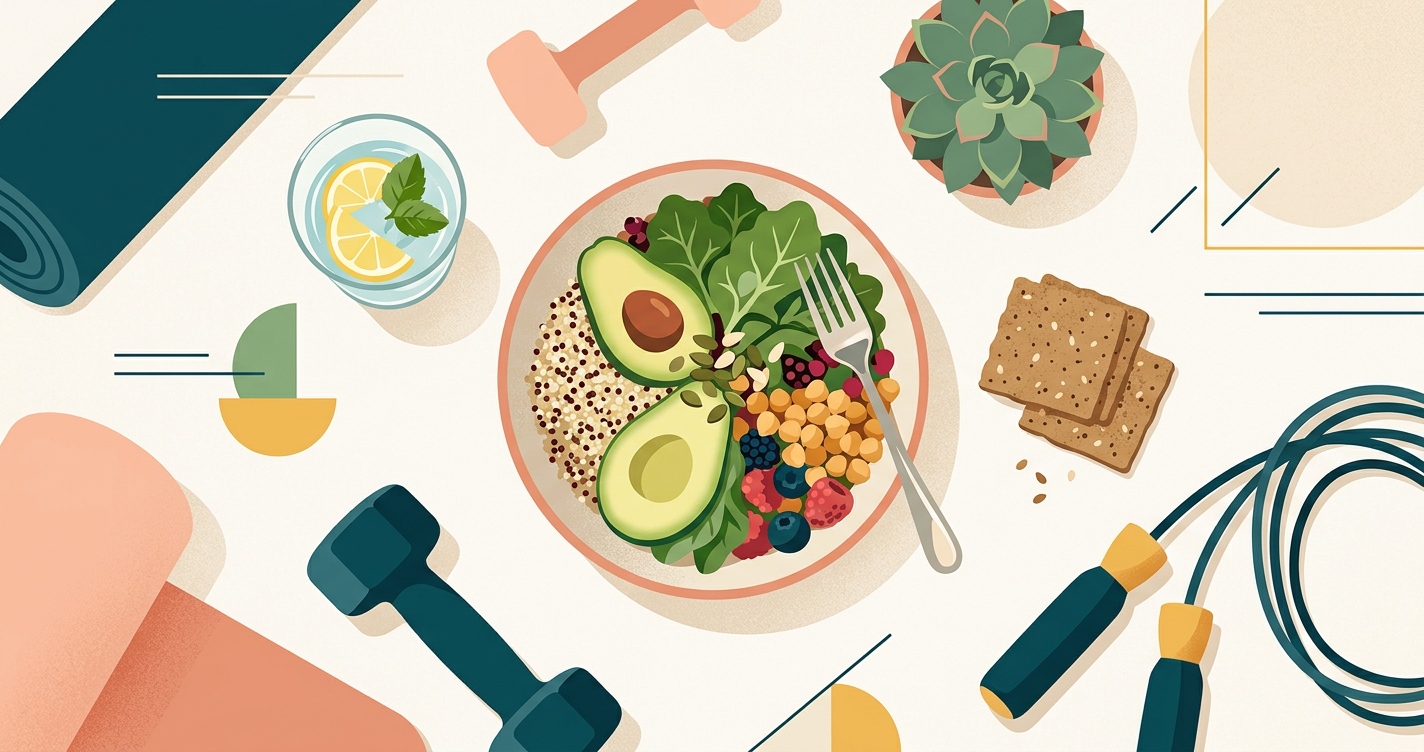
Are you tired of the endless cycle of restrictive diets, quick fixes, and the inevitable rebound? Many people embark on a fat loss journey with high hopes, only to find themselves burnt out, frustrated, and back where they started. The truth is, sustainable fat loss isn't about deprivation; it's about creating habits that nourish your body, boost your metabolism, and fit seamlessly into your life for the long haul. This isn't another crash diet manifesto; it's your friendly, evidence-based guide to achieving lasting results without sacrificing your sanity or your favorite foods.
We'll dive into the core principles that truly drive fat loss, moving beyond the misleading hype and focusing on strategies that are proven to work. Forget the 'lose 10 pounds in a week' promises; we're talking about building a healthier, stronger you, one sustainable step at a time. Let's unlock the secrets to a leaner, more energetic you, without the struggle! this excellent wellness product
The Non-Negotiable Foundation: A Gentle Calorie Deficit
At its heart, fat loss boils down to one fundamental principle: consuming fewer calories than your body expends. This is known as a calorie deficit. Sounds simple, right? The challenge often lies in how we create this deficit. Crash diets push for extreme deficits, leaving you hungry, low on energy, and risking muscle loss – which ultimately slows your metabolism. A sustainable approach focuses on a gentle deficit.
- Understanding Your Baseline: While not strictly necessary to track every calorie forever, understanding your Basal Metabolic Rate (BMR) and Total Daily Energy Expenditure (TDEE) can be insightful. Online calculators can provide an estimate.
- Aim for a Moderate Deficit: A deficit of 300-500 calories below your maintenance level is generally recommended for steady, sustainable fat loss (around 1-2 pounds per week). This allows your body to tap into fat stores without feeling overly deprived.
- Don't Slash Too Much: Going too low too fast can trigger survival responses, slowing your metabolism and making adherence incredibly difficult. Remember, this is a marathon, not a sprint.
The key here is consistency over perfection. Don't let a single day of overeating derail your entire week. Get back on track with your next meal, and focus on the overall trend.
Fueling Your Success: The Power of Protein and Fiber
While calories are king, the quality of those calories plays a crucial role in satiety, muscle preservation, and overall metabolic health. When aiming for fat loss, prioritizing protein and fiber in your diet is a game-changer.
Protein: Your Satiety & Muscle Guardian
Protein is the most satiating macronutrient, meaning it keeps you feeling fuller for longer. This is invaluable when in a calorie deficit, as it helps curb cravings and reduces the likelihood of overeating. Furthermore, protein is essential for preserving muscle mass during fat loss. Why is this important? Muscle is metabolically active, meaning it burns more calories at rest than fat tissue. Losing muscle can slow your metabolism, making future fat loss harder.
- Aim for ~0.7-1 gram of protein per pound of body weight: Distribute this intake across your meals.
- Excellent Protein Sources: Lean meats (chicken breast, turkey, lean beef), fish (salmon, cod, tuna), eggs, dairy (Greek yogurt, cottage cheese), legumes (lentils, beans), and plant-based protein powders.
Fiber: The Digestive & Fullness Hero
Fiber, particularly soluble fiber, slows down digestion, helping to stabilize blood sugar levels and prolong feelings of fullness. It also contributes to gut health, which is increasingly linked to overall metabolism and well-being.
- Load Up on Veggies: Non-starchy vegetables are incredibly low in calories, high in fiber, and packed with nutrients. Fill half your plate with them!
- Embrace Whole Grains & Legumes: Opt for oats, quinoa, brown rice, and lentils over refined grains.
- Don't Forget Fruits: Berries, apples, and pears are great sources of fiber and natural sweetness.
By focusing on nutrient-dense, high-protein, and high-fiber foods, you'll naturally feel more satisfied and energized, making your calorie deficit much more manageable.
Beyond the Treadmill: Embrace Strength Training for Fat Loss
When many people think of fat loss, they immediately picture endless hours on the treadmill or elliptical. While cardiovascular exercise has its benefits, strength training is arguably the most underrated tool for sustainable fat loss and body recomposition.
Why Lift Weights for Fat Loss?
- Build & Preserve Muscle: As mentioned, muscle burns more calories at rest than fat. The more muscle you have, the higher your resting metabolism, meaning you burn more calories even when you're not exercising.
- EPOC (Excess Post-exercise Oxygen Consumption): Strength training creates a significant "afterburn effect," meaning your body continues to burn calories at an elevated rate for hours after your workout as it recovers and repairs muscle tissue.
- Body Recomposition: Strength training helps you change your body shape, not just your weight. You might lose inches and look leaner even if the scale doesn't move dramatically, as you're replacing fat with dense muscle.
- Boost Bone Density & Functional Strength: Beyond aesthetics, strength training improves overall health, reduces injury risk, and makes everyday tasks easier.
Aim for 2-4 strength training sessions per week, focusing on compound movements (squats, deadlifts, presses, rows) that work multiple muscle groups. Don't be afraid to lift heavy – it's how you build strength and stimulate muscle growth!
The Unsung Heroes: Lifestyle Factors That Impact Fat Loss
Fat loss isn't just about what you eat and how you move; your daily habits play a profound role. Neglecting these areas can silently sabotage even the most diligent efforts.
Sleep: The Ultimate Regulator
Lack of quality sleep throws your hunger hormones out of whack. Ghrelin (the hunger hormone) increases, while leptin (the satiety hormone) decreases, leading to increased cravings, especially for high-calorie, sugary foods. Poor sleep also elevates cortisol (the stress hormone), which can promote fat storage, particularly around the midsection.
- Aim for 7-9 hours of quality sleep per night.
- Create a consistent sleep schedule and a relaxing bedtime routine.
Stress Management: Taming Cortisol
Chronic stress keeps cortisol levels elevated. While cortisol is essential in short bursts, persistently high levels can lead to increased appetite, cravings, and the preferential storage of fat around your abdomen. Finding healthy ways to manage stress is crucial.
- Practice mindfulness or meditation.
- Engage in hobbies you enjoy.
- Spend time in nature.
- Consider journaling or talking to a trusted friend.
Hydration: Simple Yet Powerful
Often overlooked, adequate hydration is vital for metabolic processes, nutrient transport, and even appetite control. Sometimes, what feels like hunger is actually thirst.
- Drink plenty of water throughout the day.
- Keep a water bottle handy as a visual reminder.
Mindset Matters: Cultivating Patience, Consistency, and Self-Compassion
Sustainable fat loss is as much a mental game as it is a physical one. Your approach, expectations, and self-talk can make or break your journey.
- Patience is a Virtue: Fat loss is rarely linear. There will be weeks when the scale doesn't move, or even goes up slightly. Trust the process and focus on long-term trends rather than daily fluctuations.
- Consistency Over Perfection: It's better to be 80% consistent 100% of the time than 100% perfect 20% of the time. Life happens; don't let a "bad" meal or missed workout derail your entire week. Get back on track with the next opportunity.
- Celebrate Non-Scale Victories: Focus on improvements in energy levels, strength, sleep quality, clothing fit, and overall well-being. These are often better indicators of progress than the number on the scale.
- Practice Self-Compassion: Be kind to yourself. There will be slip-ups. Treat yourself with the same understanding and encouragement you'd offer a friend. Guilt and shame are rarely motivating.
Putting It All Together: Your Sustainable Action Plan
Ready to ditch the yo-yo dieting and embrace a healthier, happier you? Here’s a quick recap and some actionable steps:
- Start Small: Don't try to overhaul everything at once. Pick one or two areas to focus on first, like adding more protein to each meal or committing to two strength workouts a week.
- Prioritize Protein & Fiber: Make these the stars of your meals to enhance satiety and nutrient intake.
- Embrace Strength Training: Incorporate 2-4 sessions of resistance training into your weekly routine.
- Optimize Lifestyle Factors: Focus on getting 7-9 hours of quality sleep and actively managing stress.
- Stay Hydrated: Make water your primary beverage.
- Listen to Your Body: Pay attention to hunger and fullness cues. Eat slowly and mindfully.
- Seek Support: Whether it's a friend, family member, or a qualified professional (like a registered dietitian or certified personal trainer), having a support system can make a huge difference.
Sustainable fat loss isn't about chasing a number; it's about building a lifestyle that supports your health, energy, and confidence. It's a journey of self-discovery and empowerment. Be patient, be consistent, and most importantly, be kind to yourself. Your body will thank you!