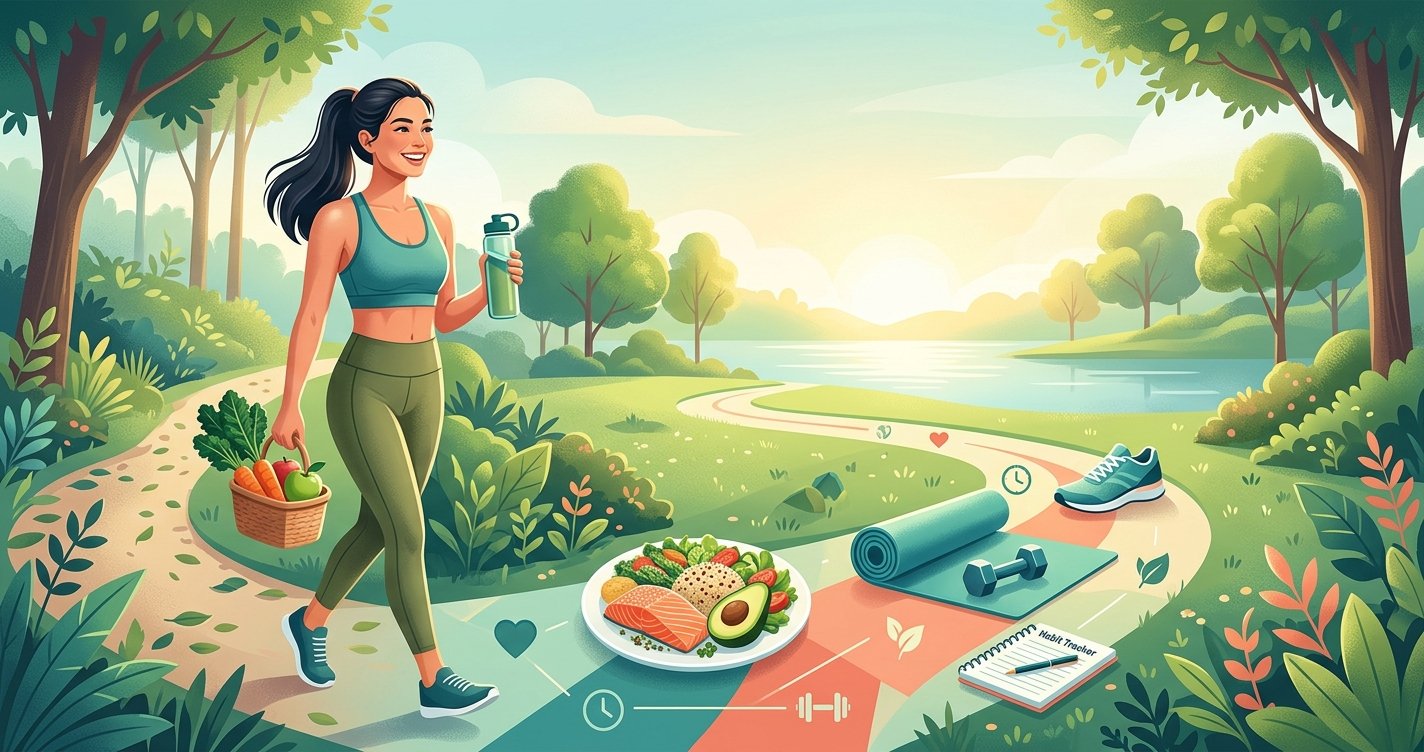
Are you tired of the yo-yo diet cycle? Do you feel frustrated by quick-fix solutions that promise the world but deliver only temporary results? You’re not alone. In a world saturated with “lose weight fast” schemes, it’s easy to get caught in a loop of hope and disappointment. But what if there was a better way? A path to fat loss that isn’t about deprivation, but about building lasting habits that genuinely transform your body and your life?
This isn’t another fad diet article. This is an evidence-based, friendly guide designed to empower you with the knowledge and tools to create sustainable fat loss. We’ll explore the core principles, debunk common myths, and provide actionable strategies that focus on long-term well-being, not just a number on the scale. Get ready to ditch the quick fixes and embrace a lifestyle that makes fat loss feel natural, manageable, and, most importantly, sustainable. this excellent wellness product
Understanding the Core Principle: The Calorie Deficit (and Why It's Not Enough)
At its heart, fat loss boils down to one fundamental scientific principle: consuming fewer calories than your body expends. This is known as a “calorie deficit.” When your body doesn’t get enough energy from food, it turns to its stored energy reserves—primarily body fat—to make up the difference. While simple in theory, the *how* of achieving this deficit is crucial for sustainability and health.
Why “How” Matters More Than “Just Eat Less”
- Nutrient Density: Eating 1500 calories of highly processed foods will leave you hungry, lacking essential nutrients, and struggling with energy levels, compared to 1500 calories of whole, unprocessed foods.
- Satiety: Foods rich in protein and fiber keep you feeling fuller for longer, naturally helping you adhere to a calorie deficit without constant hunger pangs.
- Metabolic Health: Sustainable fat loss protects your metabolism, ensuring your body continues to burn calories efficiently rather than slowing down due to extreme restriction.
Focusing purely on restriction often leads to nutrient deficiencies, muscle loss (which lowers your metabolism), and eventual rebound weight gain. Our goal is to create a deficit smartly, supporting your body while encouraging fat loss.
Fueling Your Body Smartly: Nutrition Habits for Fat Loss
Nutrition is the bedrock of sustainable fat loss. It’s not about eliminating entire food groups, but about making smarter, more intentional choices.
Prioritize Protein
Protein is your secret weapon for fat loss. Research consistently shows that a higher protein intake:
- Boosts Satiety: It keeps you feeling full and satisfied, reducing overall calorie intake.
- Preserves Muscle Mass: When in a calorie deficit, protein helps protect your lean muscle, which is metabolically active and crucial for a healthy metabolism.
- Increases Thermic Effect: Your body uses more energy to digest protein compared to carbs or fats, slightly increasing your daily calorie burn.
Aim for a protein source at every meal: lean meats, poultry, fish, eggs, dairy, legumes, and plant-based protein powders.
Embrace Whole, Unprocessed Foods
Fill your plate with fruits, vegetables, whole grains, and healthy fats. These foods are:
- Fiber-Rich: Fiber aids digestion, promotes satiety, and helps stabilize blood sugar levels.
- Nutrient-Dense: They provide essential vitamins and minerals, supporting overall health and energy.
- Naturally Lower in Calories: Compared to their processed counterparts, they offer more volume for fewer calories.
Hydration is Key
Often overlooked, adequate water intake plays a significant role. Water helps with metabolism, can reduce feelings of hunger (sometimes thirst is mistaken for hunger), and supports all bodily functions. Keep a water bottle handy and sip throughout the day.
Practice Mindful Eating
Slow down, savor your food, and pay attention to your body’s hunger and fullness cues. Mindful eating can help you recognize when you’re truly satisfied, preventing overeating and fostering a healthier relationship with food.
Moving Your Body Intentionally: Exercise as a Fat Loss Catalyst
While nutrition is paramount, exercise is the powerful catalyst that accelerates fat loss, builds a stronger body, and improves overall health.
Strength Training: Your Metabolic Supercharger
Don’t fear the weights! Strength training is incredibly effective for fat loss because:
- Builds Muscle: More muscle mass means a higher resting metabolism, so you burn more calories even at rest.
- “Afterburn” Effect: EPOC (Excess Post-exercise Oxygen Consumption) means your body continues to burn calories at an elevated rate for hours after your workout.
- Shapes Your Body: Beyond just losing weight, strength training sculpts your physique, giving you a leaner, more toned appearance.
Aim for 2-4 sessions of full-body strength training per week, focusing on compound movements like squats, deadlifts, presses, and rows.
Cardio for Health and Calorie Burn
Cardiovascular exercise (like brisk walking, jogging, cycling, or swimming) is excellent for heart health, endurance, and contributes to your calorie deficit. It also helps manage stress and improves mood.
Integrate both low-intensity steady-state (LISS) cardio and occasional high-intensity interval training (HIIT) if appropriate for your fitness level. Even just walking more throughout your day (Non-Exercise Activity Thermogenesis, or NEAT) can significantly increase your daily calorie expenditure.
The Unsung Heroes: Sleep and Stress Management
You can eat perfectly and train consistently, but if your sleep and stress levels are out of whack, your fat loss journey will be an uphill battle. These often-overlooked factors have a profound impact on your hormones and body composition.
The Power of Quality Sleep
Lack of sleep disrupts key hunger and stress hormones:
- Ghrelin & Leptin: Poor sleep increases ghrelin (the “hunger hormone”) and decreases leptin (the “satiety hormone”), making you feel hungrier and less satisfied.
- Cortisol: Sleep deprivation elevates cortisol, a stress hormone that can promote fat storage, especially around the midsection.
- Insulin Sensitivity: Chronic sleep deprivation can impair insulin sensitivity, making it harder for your body to regulate blood sugar and store fat efficiently.
Aim for 7-9 hours of quality sleep per night. Establish a consistent sleep schedule, create a relaxing bedtime routine, and optimize your sleep environment.
Taming the Stress Monster
Chronic stress, like poor sleep, keeps cortisol levels elevated. This can lead to increased cravings for high-sugar, high-fat foods and encourage your body to hold onto fat. Finding healthy ways to manage stress is vital:
- Meditation or deep breathing exercises
- Spending time in nature
- Engaging in hobbies you enjoy
- Connecting with loved ones
- Regular exercise
Prioritizing self-care isn’t selfish; it’s a critical component of sustainable fat loss and overall well-being.
Cultivating a Resilient Mindset: The Mental Game of Fat Loss
Fat loss is as much a mental game as it is a physical one. Developing a resilient, patient, and self-compassionate mindset is crucial for navigating challenges and celebrating successes.
Patience and Consistency Over Perfection
Fat loss is rarely linear. There will be good days and challenging days. Instead of striving for unattainable perfection, focus on consistency. Small, consistent efforts over time yield significant results. Embrace the journey and understand that progress, not perfection, is the goal.
Track Progress Beyond the Scale
The scale tells only part of the story. Celebrate other non-scale victories:
- Clothes fitting better
- Increased energy levels
- Improved strength and endurance
- Better sleep quality
- Enhanced mood and confidence
- Positive blood work results
Consider taking progress photos and measurements. These can often reveal changes the scale doesn’t capture, especially when you’re building muscle.
Embrace Self-Compassion and Learn from Setbacks
You’re human. There will be times you slip up or feel discouraged. Instead of self-criticism, practice self-compassion. Acknowledge the setback, learn from it, and gently guide yourself back on track. One “bad” meal or day doesn’t derail your entire journey. It’s how you respond that matters.
Your Actionable Steps for Sustainable Fat Loss
Ready to put this blueprint into action? Here’s a summary of habits to build:
- Prioritize Protein: Include a lean protein source with every meal.
- Eat Whole Foods: Fill your plate with fruits, vegetables, and whole grains.
- Hydrate: Drink plenty of water throughout the day.
- Lift Weights: Engage in strength training 2-4 times per week.
- Move More: Incorporate daily walks and regular cardio.
- Optimize Sleep: Aim for 7-9 hours of quality sleep.
- Manage Stress: Find healthy outlets for stress reduction.
- Practice Mindfulness: Eat slowly and listen to your body’s cues.
- Be Patient & Consistent: Focus on long-term habits, not quick fixes.
Conclusion: Your Journey to Lasting Change Begins Now
Sustainable fat loss isn’t about temporary diets or extreme measures; it’s about cultivating a healthier lifestyle, one habit at a time. By focusing on smart nutrition, intentional movement, quality sleep, stress management, and a resilient mindset, you’re not just losing fat—you’re building a stronger, healthier, and happier you. This journey takes time and dedication, but the rewards—lasting health, increased energy, and unwavering confidence—are immeasurable. Start today, embrace the process, and watch as you transform not just your body, but your entire life.