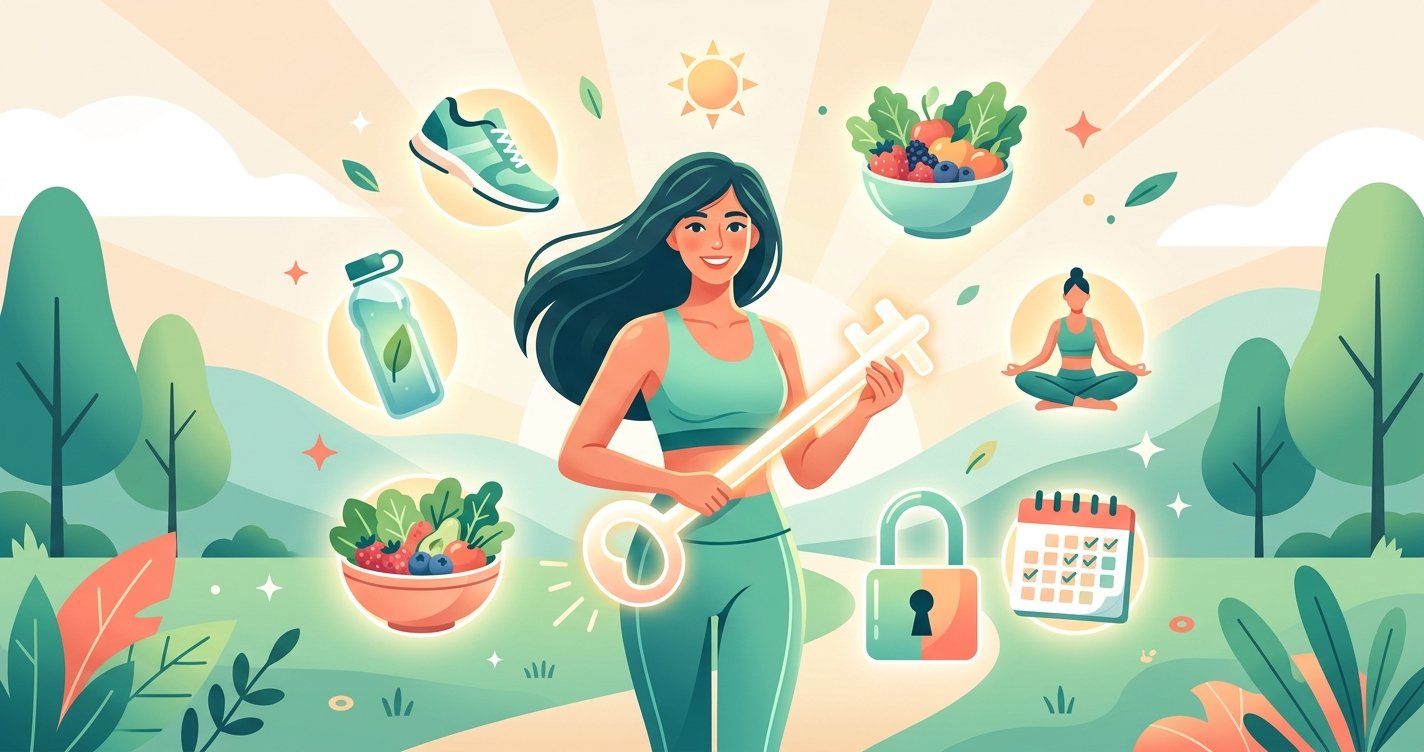
Tired of the Yo-Yo? Discover Sustainable Fat Loss Habits That Last
Have you ever embarked on a restrictive diet, seen incredible results, only to find yourself back where you started (or even heavier) a few months later? You're not alone. The world of fat loss is often dominated by quick fixes, extreme diets, and unrealistic promises that leave us feeling defeated and frustrated. But what if there was a better way? A path to lasting fat loss that doesn't involve deprivation, endless cardio, or impossible rules?
Welcome to the journey of sustainable fat loss – a science-backed approach focused on building healthy habits that integrate seamlessly into your life, leading to permanent results. This isn't about a temporary diet; it's about transforming your lifestyle for a healthier, happier you. Let's dive into the evidence-based strategies that will empower you to ditch the yo-yo cycle for good. this excellent wellness product
Why Quick Fixes Fail: The Cycle of Crash Dieting
Before we build, let's understand why so many traditional diets crumble. Crash diets, characterized by extreme calorie restriction and drastic food eliminations, often lead to rapid initial weight loss. While this might seem appealing, it comes at a significant cost:
- Metabolic Adaptation: Your body is incredibly smart. When it senses a severe lack of calories, it slows down your metabolism to conserve energy, making it harder to lose weight and easier to regain it once you stop the diet.
- Muscle Loss: Extreme diets often don't provide enough protein or stimulus to preserve muscle mass. Losing muscle is detrimental because muscle is metabolically active, meaning it burns more calories at rest than fat. Less muscle equals a slower metabolism.
- Nutrient Deficiencies: Restrictive eating can lead to a lack of essential vitamins and minerals, impacting energy levels, mood, and overall health.
- Psychological Burnout: Deprivation is unsustainable. The mental and emotional toll of constantly fighting cravings and feeling hungry often leads to binge eating and a complete abandonment of healthy habits.
The goal isn't just to lose weight; it's to lose fat while preserving muscle, improving health markers, and fostering a positive relationship with food and your body. This requires a sustainable, moderate approach.
The Cornerstone: Mastering Your Calorie Deficit (Without Starving!)
At its core, fat loss boils down to one fundamental principle: consuming fewer calories than your body burns – known as a calorie deficit. However, the key to sustainability lies in creating a *modest* deficit, not an extreme one.
Think of it like this: a small, consistent leak will eventually drain a bathtub, while trying to pull the plug out all at once might cause a splash but won't be as efficient or safe in the long run. Aim for a deficit of 300-500 calories per day. This allows for steady fat loss (typically 1-2 pounds per week) without triggering severe metabolic slowdown or intense hunger.
How to achieve this without obsessive tracking?
- Prioritize Whole, Unprocessed Foods: These are naturally more filling and nutrient-dense for fewer calories. Think lean proteins, vegetables, fruits, and whole grains.
- Mindful Eating: Pay attention to your hunger and fullness cues. Eat slowly, savor your food, and stop when you're satisfied, not stuffed.
- Portion Control: Learn what appropriate portion sizes look like for different food groups.
Remember, this isn't about starvation; it's about smart choices that allow you to feel satisfied while still working towards your goal.
Fueling Your Progress: The Power of Protein and Fiber
Protein: Your Fat Loss Ally
If there's one macronutrient that deserves special attention for fat loss, it's protein. Here's why:
- Satiety: Protein is incredibly satiating, meaning it helps you feel fuller for longer, reducing overall calorie intake.
- Muscle Preservation: Adequate protein intake is crucial for preserving lean muscle mass during a calorie deficit, which helps keep your metabolism humming.
- Thermic Effect of Food (TEF): Protein has a higher TEF than carbs or fats, meaning your body burns more calories digesting and metabolizing it.
Aim for around 0.7-1 gram of protein per pound of body weight. Excellent sources include lean meats, poultry, fish, eggs, dairy, legumes, and tofu.
Fiber: The Underrated Hero
Often overlooked, fiber plays a critical role in sustainable fat loss:
- Satiety Boost: Like protein, fiber adds bulk to your meals, making them more filling and promoting a feeling of fullness.
- Blood Sugar Control: Soluble fiber helps slow down the absorption of sugar, preventing rapid spikes and crashes that can lead to cravings.
- Gut Health: A healthy gut microbiome is increasingly linked to overall metabolism and weight management.
Load up on fiber-rich foods like vegetables (broccoli, spinach, bell peppers), fruits (berries, apples), legumes (lentils, beans), and whole grains (oats, quinoa).
Move Your Body, Build Your Future: The Role of Exercise
While nutrition is paramount for fat loss, exercise is the powerful accelerator that sculpts your body, boosts your metabolism, and enhances overall well-being.
Strength Training: Non-Negotiable for Fat Loss
Forget the myth that strength training makes women bulky. For sustainable fat loss, it's non-negotiable:
- Muscle Preservation & Growth: Strength training helps maintain or even build muscle mass while you're in a calorie deficit. More muscle means a higher resting metabolic rate.
- Metabolic Boost: Your body burns calories not just during your workout, but also for hours afterward as it repairs and rebuilds muscle tissue (EPOC – Excess Post-exercise Oxygen Consumption).
- Body Composition Improvement: You might not see the scale drop dramatically at first, but your body will look leaner and more toned as you replace fat with muscle.
Aim for 2-4 strength training sessions per week, focusing on compound movements like squats, deadlifts, presses, and rows that work multiple muscle groups.
Cardio: Your Heart's Best Friend (and Calorie Burner)
Cardiovascular exercise is excellent for heart health, endurance, and directly burning calories. It complements strength training beautifully.
- Low-Intensity Steady State (LISS): Walking, jogging, cycling at a moderate pace. Great for calorie expenditure without excessive fatigue, and aids recovery.
- High-Intensity Interval Training (HIIT): Short bursts of intense exercise followed by brief recovery periods. Time-efficient and effective for calorie burning and improving cardiovascular fitness.
Integrate 2-4 cardio sessions per week, choosing activities you enjoy to ensure consistency.
NEAT: The Unsung Hero of Daily Activity
NEAT (Non-Exercise Activity Thermogenesis) refers to the calories you burn through everyday movements not related to structured exercise. Think walking, fidgeting, standing, cleaning, taking the stairs.
Increasing your NEAT can significantly contribute to your overall calorie expenditure. Simple ways to boost NEAT include:
- Taking the stairs instead of the elevator.
- Parking further away.
- Walking during phone calls.
- Fidgeting more.
- Standing at a standing desk.
These small movements add up!
Beyond Diet and Exercise: Lifestyle Factors for Success
Sustainable fat loss isn't just about what you eat and how you move; it's deeply intertwined with your overall lifestyle.
Sleep: The Secret Weapon for Hormonal Balance
Lack of sleep can wreak havoc on your fat loss efforts:
- Hunger Hormones: Poor sleep disrupts ghrelin (hunger hormone) and leptin (satiety hormone), making you feel hungrier and less satisfied.
- Cortisol Levels: Sleep deprivation increases cortisol, the stress hormone, which can promote fat storage, especially around the belly.
- Energy & Cravings: When you're tired, you're more likely to crave sugary, high-calorie foods and have less energy for workouts.
Aim for 7-9 hours of quality sleep per night. Establish a consistent sleep schedule, create a relaxing bedtime routine, and optimize your sleep environment.
Stress Management: Taming the Cortisol Beast
Chronic stress, like sleep deprivation, elevates cortisol levels, which can hinder fat loss and encourage fat storage. Finding healthy ways to manage stress is crucial:
- Mindfulness & Meditation: Even 10-15 minutes a day can make a difference.
- Hobbies & Relaxation: Engage in activities you enjoy – reading, listening to music, spending time in nature.
- Social Connection: Lean on friends and family for support.
Prioritizing mental well-being is not a luxury; it's a necessity for sustainable health and fat loss.
Hydration: Simple Yet Powerful
Drinking enough water is a simple habit with profound benefits:
- Satiety: Sometimes thirst is mistaken for hunger. Drinking water before meals can help you feel fuller.
- Metabolism: Water is essential for countless metabolic processes in the body.
- Energy Levels: Dehydration can lead to fatigue, impacting your motivation for activity.
Carry a water bottle and sip throughout the day. Aim for at least 8 glasses (around 2 liters), adjusting based on activity level and climate.
Building Unshakeable Habits: Consistency Over Perfection
The biggest secret to sustainable fat loss isn't a magic diet or a grueling workout regimen; it's consistency. Small, consistent efforts over time yield far greater results than sporadic, extreme attempts.
- Start Small: Don't try to overhaul everything at once. Pick one or two habits to focus on (e.g., adding protein to every meal, walking 30 minutes daily) and master them before adding more.
- Progress, Not Perfection: There will be days when you slip up. That's okay! Don't let one bad meal or missed workout derail your entire journey. Acknowledge it, learn from it, and get back on track with your next meal or opportunity.
- Set Realistic Goals: Aim for steady, gradual progress. Celebrate non-scale victories like increased energy, better sleep, stronger lifts, or clothes fitting better.
- Find Your 'Why': Connect with your deeper motivation. Is it to play with your kids without getting tired? To feel confident in your own skin? To improve your health markers? Your 'why' will be your fuel during challenging times.
Your Journey to Lasting Fat Loss Starts Now
Sustainable fat loss is not a race; it's a marathon of building healthy, evidence-based habits that empower you to live your best life. By focusing on a moderate calorie deficit, prioritizing protein and fiber, integrating strength training and regular activity, and nurturing crucial lifestyle factors like sleep and stress management, you're not just losing weight – you're building a foundation for lifelong health and vitality.
Embrace the process, be patient with yourself, and remember that every small, consistent step forward is a victory. You have the power to transform your body and your life, one sustainable habit at a time. This isn't just about fitting into a smaller size; it's about feeling stronger, more energetic, and truly at home in your own skin. Let's make this your last fat loss journey – because this time, it's for good.