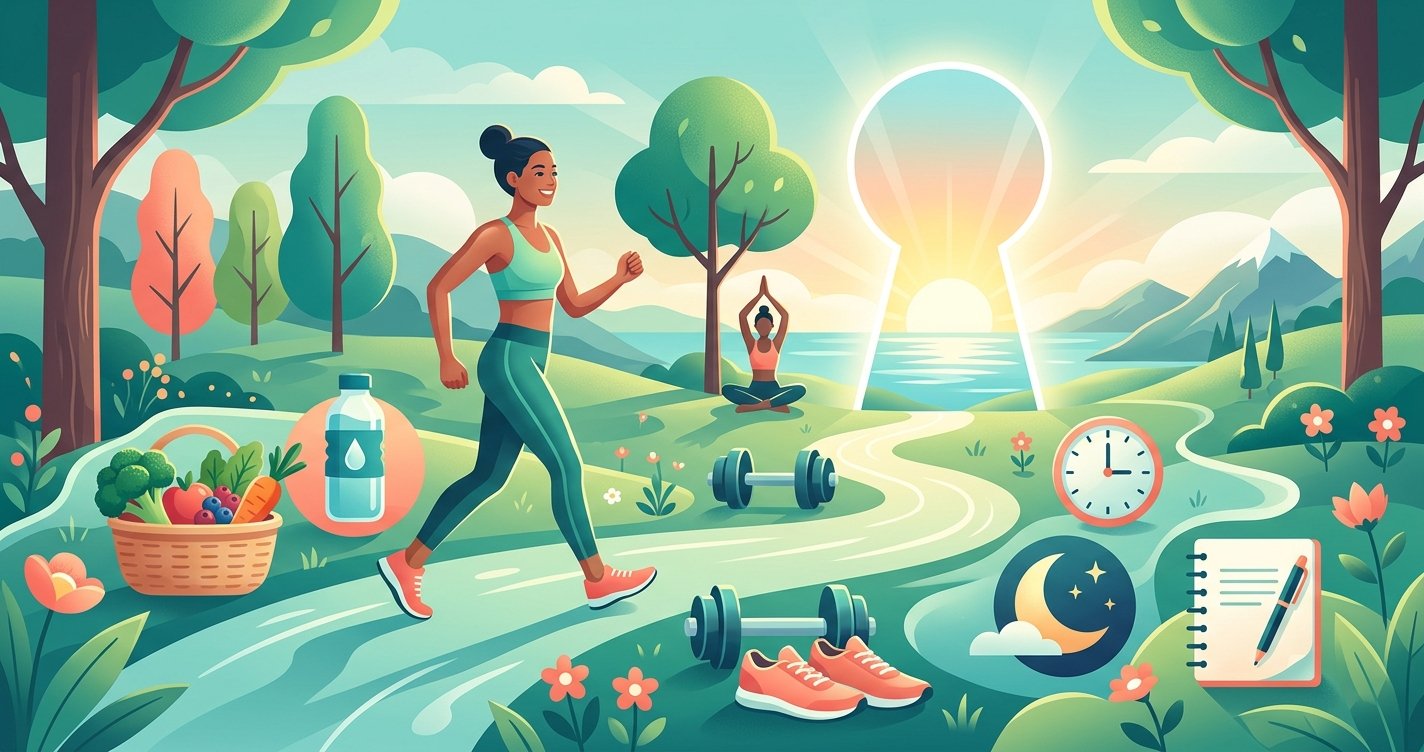
Are you tired of the endless cycle of crash diets, quick fixes, and the frustration of seeing the scale yo-yo? You're not alone. Many embark on a fat loss journey with high hopes, only to find themselves back where they started, feeling defeated. The truth is, sustainable fat loss isn't about deprivation or extreme measures; it's about building consistent, healthy habits that last a lifetime.
This comprehensive guide will walk you through the evidence-based strategies for achieving and maintaining your ideal body composition without sacrificing your well-being. We'll explore the science behind effective fat loss, focusing on practical, friendly, and encouraging advice to help you transform your approach and achieve lasting success. Let's ditch the quick fixes and embrace a journey that truly empowers you! this excellent wellness product
Beyond the Quick Fix: Why Sustainability Matters for Fat Loss
The diet industry often promotes rapid weight loss, promising dramatic results in a short period. While these methods might offer initial success, they rarely lead to long-term change. Why? Because they're typically unsustainable, leading to rebound weight gain and a damaged metabolism. True, lasting fat loss is a marathon, not a sprint.
The Problem with Crash Diets
Crash diets often involve severe calorie restriction, cutting out entire food groups, or relying on shakes and supplements. While they can lead to quick weight drops, much of this is often water weight or muscle loss, not just fat. When you drastically reduce calories, your body goes into “survival mode,” slowing your metabolism to conserve energy. Once you return to normal eating, your body is primed to store fat, making it easy to regain lost weight – and often more.
The Power of Habit Formation
Instead of focusing on what you can’t eat, shift your focus to what you can do consistently. Sustainable fat loss is built on small, incremental changes that become second nature. These habits – from choosing nutritious foods to getting regular exercise – accumulate over time, leading to significant, lasting results. This approach ensures you're not just losing weight, but also building a healthier lifestyle that supports your goals indefinitely.
The Foundation: Understanding Your Calorie Deficit (Without Obsession)
At its core, fat loss boils down to a simple principle: consuming fewer calories than your body burns. This is known as a calorie deficit. However, understanding this principle doesn't mean you need to meticulously count every single calorie or obsess over numbers.
What is a Calorie Deficit?
Your body uses energy (calories) for everything from breathing and digestion to exercise and maintaining body temperature. If you consistently provide your body with slightly less energy than it needs, it will start to tap into its stored energy reserves – primarily body fat – to make up the difference. A modest deficit of 300-500 calories per day is generally recommended for safe and sustainable fat loss, leading to about 1-2 pounds of fat loss per week.
Smart Ways to Achieve It
- Focus on Whole, Unprocessed Foods: Foods like fruits, vegetables, lean proteins, and whole grains are naturally lower in calories for their volume and higher in nutrients, keeping you feeling full and satisfied without overeating.
- Mindful Eating: Pay attention to your body's hunger and fullness cues. Eat slowly, savor your food, and put down your fork between bites. This helps prevent overeating and improves digestion.
- Portion Control: You don't necessarily need to eliminate your favorite foods, but understanding appropriate portion sizes can make a huge difference. Use smaller plates, measure out servings, and be aware of hidden calories in sauces and drinks.
Fueling Your Body: Nutrition for Lasting Fat Loss
What you eat plays a monumental role in your fat loss journey. It's not just about calories, but also about the quality and composition of your diet. Prioritizing nutrient-dense foods will support your energy levels, satiety, and metabolic health.
Prioritize Protein
Protein is the king of macronutrients for fat loss. It's highly satiating, meaning it keeps you feeling full for longer, reducing overall calorie intake. Furthermore, protein has a higher thermic effect of food (TEF), meaning your body burns more calories digesting it compared to carbs or fats. Aim for a good source of lean protein at every meal (e.g., chicken breast, fish, eggs, Greek yogurt, tofu, legumes).
Embrace Fiber-Rich Carbs
Don't be afraid of carbohydrates! The key is to choose the right kind. Fiber-rich carbohydrates like whole grains (oats, quinoa, brown rice), fruits, and vegetables provide sustained energy, essential nutrients, and contribute to satiety. Fiber also aids in digestion and helps regulate blood sugar levels, preventing energy crashes and cravings.
Don't Fear Healthy Fats
While fats are calorie-dense, healthy fats are crucial for hormone production, nutrient absorption, and overall health. Including sources like avocados, nuts, seeds, and olive oil in moderation can enhance satiety and provide essential fatty acids. Just be mindful of portion sizes due to their higher calorie content.
Hydration is Key
Often overlooked, adequate water intake is vital for fat loss. Water helps with metabolism, nutrient transport, and can even help you feel fuller. Sometimes, what we perceive as hunger is actually thirst. Aim to drink plenty of water throughout the day, especially before meals.
Moving Your Body: Exercise for More Than Just Burning Calories
Exercise isn't just about burning calories in the moment; it's about building a stronger, healthier, and more metabolically active body. Integrating a balanced exercise routine is a cornerstone of sustainable fat loss.
The Magic of Strength Training
Strength training (lifting weights, bodyweight exercises) is incredibly powerful for fat loss. Building muscle increases your resting metabolic rate (RMR), meaning you burn more calories even when you're not exercising. Muscle is metabolically active tissue, and the more you have, the more efficient your body becomes at burning fat. Aim for 2-3 full-body strength training sessions per week.
Cardio for Heart Health and Calorie Burn
Cardiovascular exercise, like brisk walking, jogging, cycling, or swimming, is excellent for improving heart health, boosting mood, and burning calories. It complements strength training by improving endurance and creating a further calorie deficit. Incorporate moderate-intensity cardio most days of the week, or higher-intensity interval training (HIIT) a couple of times a week for efficiency.
NEAT: The Unsung Hero
NEAT, or Non-Exercise Activity Thermogenesis, refers to the calories you burn from everyday activities that aren't formal exercise. This includes walking, standing, fidgeting, and even typing. Increasing your NEAT – by taking the stairs, parking further away, or standing more at work – can significantly contribute to your overall calorie expenditure without feeling like a chore.
The Often-Overlooked Pillars: Sleep, Stress, and Mindset
While nutrition and exercise are crucial, they are only part of the puzzle. Your sleep quality, stress levels, and mental approach play a profound role in your ability to lose fat and keep it off.
Quality Sleep for Hormone Balance
Lack of sleep can wreak havoc on your fat loss efforts. Insufficient sleep disrupts hormones like ghrelin (which stimulates appetite) and leptin (which signals fullness), leading to increased hunger and cravings, especially for unhealthy foods. It also impairs insulin sensitivity and can increase cortisol levels. Aim for 7-9 hours of quality sleep per night.
Managing Stress to Prevent Emotional Eating
Chronic stress elevates cortisol, the stress hormone, which can promote fat storage, particularly around the abdominal area. Stress can also lead to emotional eating, where food is used as a coping mechanism rather than for fuel. Develop healthy stress management techniques like meditation, yoga, deep breathing, spending time in nature, or engaging in hobbies you enjoy.
Cultivating a Positive Mindset
Your mental approach is paramount. View your fat loss journey as an act of self-care and empowerment, not punishment. Be patient with yourself, celebrate small victories, and learn from setbacks rather than letting them derail you. Focus on progress, not perfection. A positive, resilient mindset will be your greatest asset.
Building Your Sustainable Toolkit: Practical Strategies
Putting all this knowledge into practice can seem daunting. Here are some actionable strategies to help you build your sustainable fat loss toolkit:
Meal Prepping Made Easy
Dedicate a few hours one day a week (e.g., Sunday) to prepare meals or components of meals. Cook a batch of lean protein, chop vegetables, or portion out snacks. This saves time during busy weekdays and ensures you always have healthy options readily available, reducing the temptation to grab unhealthy takeout.
Tracking Progress (Beyond the Scale)
The scale can be a useful tool, but it doesn't tell the whole story. Muscle gain can offset fat loss, leading to frustrating plateaus on the scale even when your body composition is improving. Track other metrics: how your clothes fit, progress photos, body measurements, strength gains in the gym, energy levels, and overall mood. These provide a more holistic view of your success.
Finding Your Support System
You don't have to do this alone. Share your goals with a trusted friend, family member, or join a supportive online community. Having accountability partners or a cheerleading squad can provide motivation, encouragement, and practical advice when you need it most. Consider working with a certified coach or registered dietitian for personalized guidance.
Your Sustainable Journey Starts Today!
Sustainable fat loss isn't about rigid rules; it's about making informed choices that align with your health and well-being. By focusing on whole foods, incorporating regular movement, prioritizing sleep and stress management, and cultivating a positive mindset, you're not just losing weight – you're building a foundation for a healthier, happier life.
Remember, consistency trumps intensity. Start small, be patient, and celebrate every step forward. Your journey to lasting results begins with one healthy habit at a time. Embrace the process, trust in your ability to change, and enjoy the incredible transformation that awaits you!