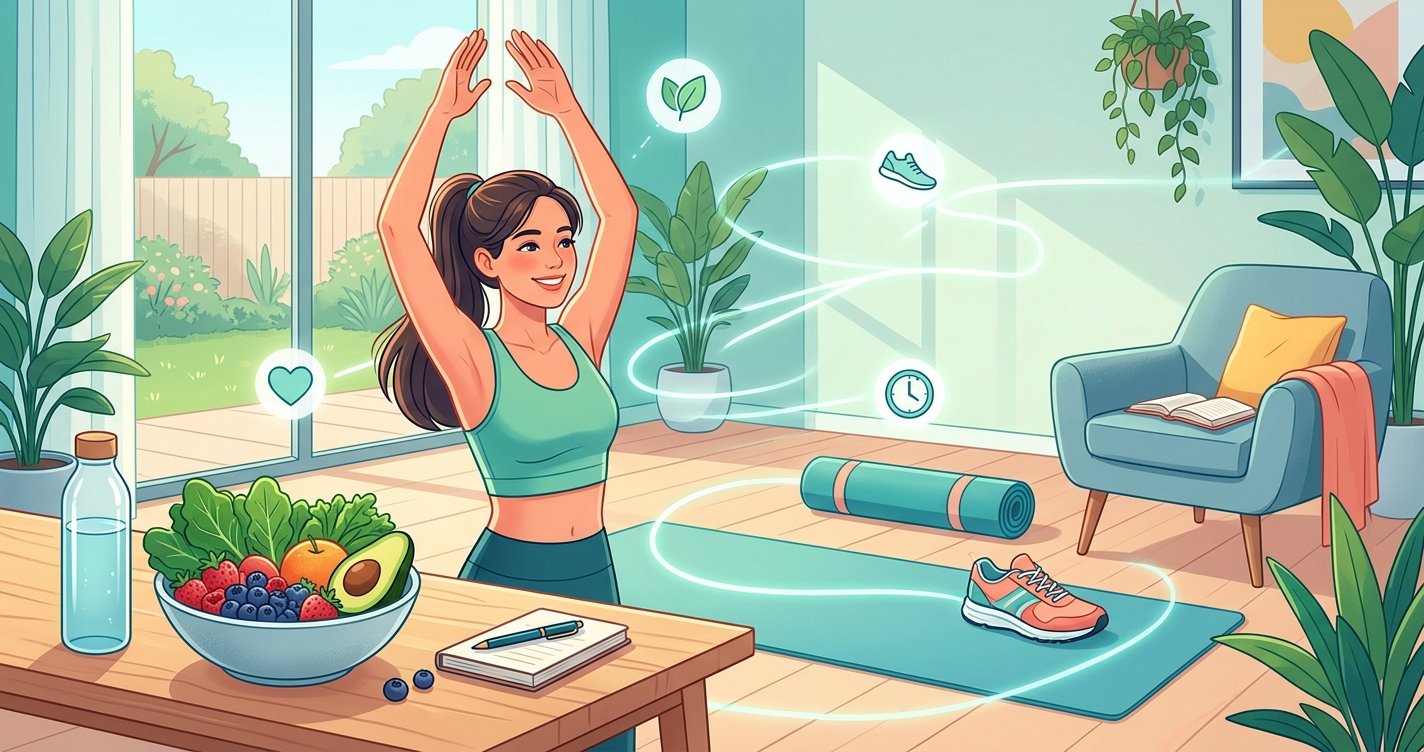
Are you tired of the endless cycle of crash diets, rapid weight loss, and then, inevitably, gaining it all back (and sometimes more)? You’re not alone. In a world obsessed with quick fixes, it's easy to fall prey to promises of instant results. But when it comes to fat loss, true, lasting success isn't found in deprivation or extreme measures. It's built on a foundation of sustainable habits, patience, and a deep understanding of your body. This isn't just about shedding pounds; it's about transforming your lifestyle for long-term health and vitality. Let's explore how to achieve fat loss that actually sticks, without sacrificing your well-being or sanity.
The Problem with Quick Fixes (and Why They Fail)
The allure of a '30-day shred' or 'lose 10 pounds in a week' diet is powerful. Who wouldn't want fast results? However, these extreme approaches often come with a heavy price. Severely restricting calories or entire food groups can lead to nutrient deficiencies, a sluggish metabolism, and intense cravings. Your body, designed for survival, perceives extreme dieting as a famine. It slows down its energy expenditure, making it harder to lose weight and easier to regain it once you return to normal eating patterns. This metabolic adaptation, combined with the psychological toll of constant deprivation, often leads to burnout, emotional eating, and the dreaded 'yo-yo effect.' Sustainable fat loss requires a different approach – one that respects your body and mind. this excellent wellness product
The Foundation: Nutrition for Sustainable Fat Loss
Forget rigid meal plans that leave you feeling miserable. Sustainable fat loss through nutrition is about making smart, enjoyable choices consistently.
It's Not About Restriction, It's About Balance
- Calorie Awareness, Not Obsession: While a calorie deficit is necessary for fat loss, it doesn't need to be drastic. Aim for a moderate deficit (e.g., 300-500 calories below maintenance) that you can comfortably maintain.
- Listen to Your Body: Pay attention to hunger and fullness cues. Eat when you’re truly hungry, and stop when you’re comfortably satisfied, not stuffed.
- Flexibility is Key: Allow for occasional treats or less-than-perfect meals. Perfection is the enemy of progress. The 80/20 rule (80% healthy, 20% flexible) is a great guideline.
Prioritize Protein
Protein is your best friend for fat loss. It's highly satiating, meaning it keeps you feeling full longer, reducing overall calorie intake. Furthermore, protein is crucial for preserving muscle mass during a calorie deficit, which helps keep your metabolism humming. Aim for a protein source with every meal: lean meats, poultry, fish, eggs, dairy, legumes, and plant-based protein powders are excellent choices.
Embrace Whole Foods
Focus on nutrient-dense, minimally processed foods. Think fruits, vegetables, whole grains, lean proteins, and healthy fats. These foods are packed with vitamins, minerals, and fiber, which promote satiety, provide sustained energy, and support overall health. They naturally tend to be lower in calories for their volume compared to processed alternatives, making it easier to feel full on fewer calories.
Don't Fear Healthy Fats & Smart Carbs
Both healthy fats and complex carbohydrates play vital roles in your diet. Healthy fats (avocado, nuts, seeds, olive oil) are essential for hormone production, nutrient absorption, and satiety. Smart carbohydrates (oats, quinoa, brown rice, sweet potatoes, fruits) provide crucial energy for your workouts and daily activities, and their fiber content aids digestion and fullness. The key is choosing the right types and appropriate portions.
Move Your Body: Exercise for Lasting Results
Exercise isn't just about burning calories; it's about building a stronger, healthier, and more resilient body. It complements your nutritional efforts, enhances mood, and boosts metabolism.
The Power of Strength Training
If you're not lifting weights, you're missing out on a powerful fat-loss tool. Building muscle increases your resting metabolic rate, meaning you burn more calories even when you're at rest. Strength training also shapes your body, giving you a toned physique and improving bone density. Aim for 2-4 sessions per week, focusing on compound movements that work multiple muscle groups.
Cardio: Find Your Rhythm
Cardiovascular exercise is excellent for heart health, burning calories, and improving endurance. The best cardio is the one you enjoy and can stick with! Whether it's brisk walking, jogging, cycling, swimming, or dancing, find an activity that gets your heart rate up. Incorporate 150-300 minutes of moderate-intensity cardio per week, or shorter bursts of high-intensity interval training (HIIT) if suitable for your fitness level.
NEAT: The Unsung Hero of Calorie Burn
Non-Exercise Activity Thermogenesis (NEAT) refers to the calories burned through everyday movements that aren't formal exercise. This includes walking to the store, taking the stairs, fidgeting, gardening, or cleaning. Increasing your NEAT throughout the day can significantly contribute to your overall calorie expenditure. Look for opportunities to move more – park further away, take standing breaks, or pace while on the phone.
Beyond Diet and Exercise: Lifestyle Pillars
Sustainable fat loss isn't just about what you eat and how you move; it's deeply intertwined with your overall lifestyle.
The Crucial Role of Sleep
Lack of sleep can sabotage your fat loss efforts, even if your diet and exercise are on point. Poor sleep disrupts hormones that regulate hunger (ghrelin) and satiety (leptin), leading to increased cravings for unhealthy foods. It also raises cortisol levels, which can promote belly fat storage. Aim for 7-9 hours of quality sleep per night to optimize your body's ability to recover and regulate its hormones.
Stress Management: Taming the Cortisol Beast
Chronic stress triggers the release of cortisol, a hormone that can increase appetite, promote fat storage (especially around the abdomen), and make it harder to lose weight. Find healthy ways to manage stress, such as meditation, yoga, spending time in nature, journaling, or engaging in hobbies you love. Prioritizing mental well-being is just as important as physical health.
Mindful Eating: Reconnecting with Hunger Cues
Mindful eating is about paying full attention to your food – its taste, texture, and smell – and your body's signals of hunger and fullness. Eat slowly, without distractions like screens, and savor each bite. This practice helps you recognize when you're truly hungry versus eating out of boredom, stress, or habit, leading to better portion control and a more satisfying eating experience.
Building Sustainable Habits: The Real Secret Sauce
The biggest differentiator between temporary weight loss and lasting fat loss is the ability to build and maintain healthy habits. This isn't about willpower; it's about strategy.
- Start Small: Don't try to overhaul everything at once. Pick one or two small, manageable changes (e.g., add a serving of vegetables to dinner, take a 15-minute walk daily) and master them before adding more.
- Be Consistent: Consistency trumps intensity. Doing something imperfectly every day is better than doing it perfectly once a week.
- Track Progress, Not Just Weight: Celebrate non-scale victories like increased energy, better sleep, clothes fitting differently, or improved mood.
- Plan Ahead: Meal prepping, packing snacks, and scheduling workouts can significantly increase your chances of sticking to your goals.
- Find Your Support System: Share your goals with friends or family, or join a supportive community. Accountability can be a powerful motivator.
Patience, Persistence, and Self-Compassion
Fat loss is a journey, not a destination, and it's rarely linear. There will be plateaus, setbacks, and moments of frustration. This is normal. Instead of viewing these as failures, see them as opportunities to learn and adjust. Be patient with yourself, celebrate every small victory, and practice self-compassion. Remember that your worth is not tied to a number on the scale. Focus on building a healthier, happier you, and the fat loss will naturally follow.
Embracing sustainable fat loss means saying goodbye to the endless diet cycle and hello to a life where you feel energized, strong, and confident. By focusing on balanced nutrition, consistent movement, adequate sleep, stress management, and building lasting habits, you’re not just losing fat – you’re gaining a healthier, more fulfilling life. It's a journey worth taking, one step, one healthy habit at a time.