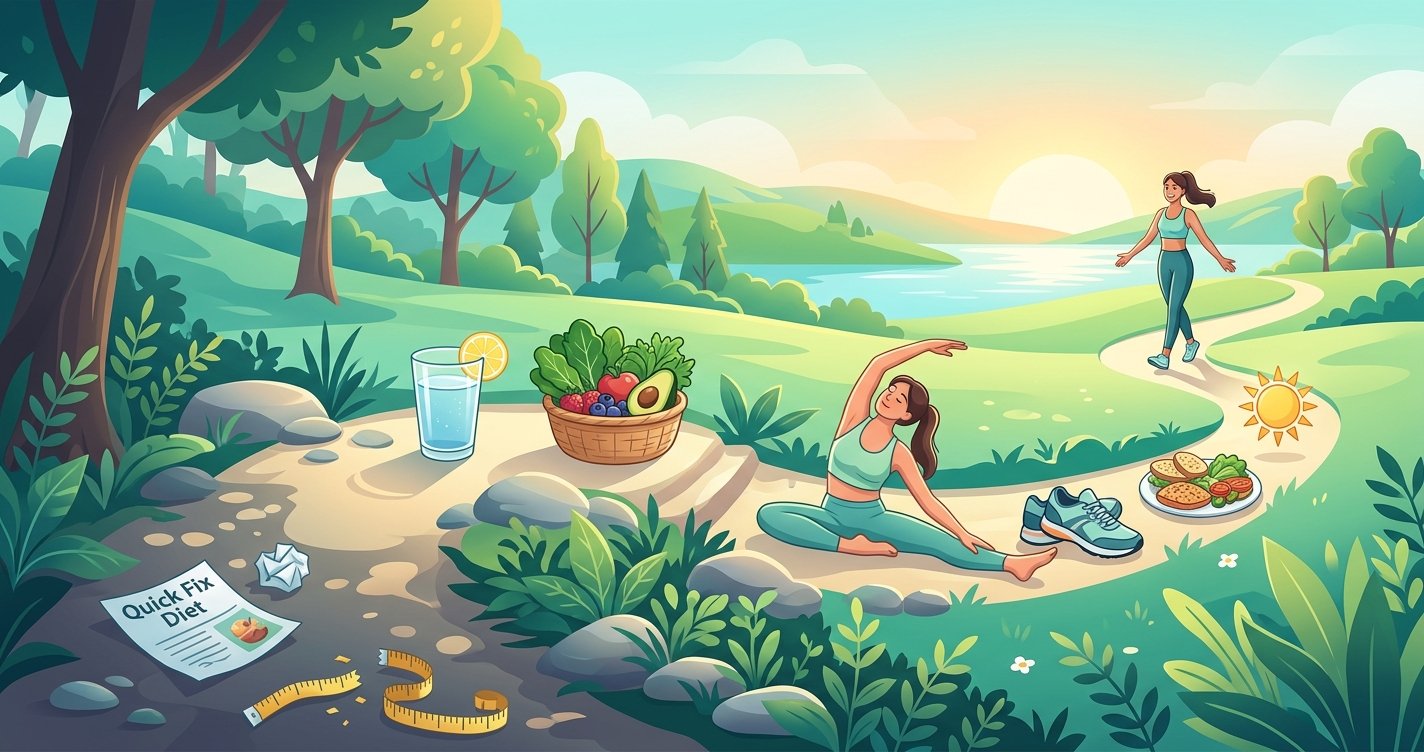
Are you tired of the endless cycle of crash diets, restrictive eating, and short-lived results? You're not alone. In a world saturated with quick fixes and extreme promises, it's easy to fall into the trap of believing that rapid weight loss is the only path. But what if we told you there’s a better way? A sustainable, healthier approach that not only helps you shed body fat but also builds lasting habits for a vibrant, energetic life?
True, sustainable fat loss isn't about deprivation; it's about empowerment. It’s about understanding your body, nourishing it intelligently, and integrating enjoyable movement into your daily routine. Forget the fads that leave you feeling hungry, deprived, and ultimately defeated. This guide is your friendly, evidence-based roadmap to building a foundation for fat loss that sticks, focusing on consistency, health, and well-being over fleeting numbers on a scale. this excellent wellness product
Why Crash Diets Always Fail (and What to Do Instead)
The allure of losing 10 pounds in a week is powerful, but crash diets come with a steep price. They often involve severe calorie restriction, which can lead to rapid initial weight loss, but much of that is water weight and even precious muscle mass, not just fat. Your body, designed for survival, perceives this drastic reduction as a famine. It responds by slowing down your metabolism to conserve energy, making it harder to lose weight in the long run and easier to regain it once you return to normal eating patterns – often with extra interest.
Beyond the metabolic havoc, crash diets wreak psychological havoc. They foster an unhealthy relationship with food, leading to feelings of guilt, deprivation, and often, eventual binge eating. This yo-yo dieting cycle is not only frustrating but can also be detrimental to your overall health. The alternative? A gradual, consistent approach that respects your body's needs and focuses on building sustainable habits rather than chasing an arbitrary number on the scale.
The Cornerstone: Nutrition for Lasting Fat Loss
When it comes to fat loss, nutrition is king. While a caloric deficit is fundamental – consuming fewer calories than you burn – the quality of those calories matters immensely. Focusing on whole, nutrient-dense foods will not only help you feel satisfied but also provide your body with the essential vitamins and minerals it needs to function optimally.
Prioritize Protein
Protein is your best friend on a fat loss journey. It's incredibly satiating, meaning it helps you feel fuller for longer, reducing the likelihood of overeating. Moreover, protein helps preserve lean muscle mass during a calorie deficit, which is crucial because muscle is metabolically active, burning more calories at rest than fat does. It also has a higher thermic effect of food (TEF), meaning your body burns more calories digesting protein than it does carbs or fats.
- Excellent Protein Sources: Lean meats (chicken breast, turkey, lean beef), fish (salmon, cod, tuna), eggs, dairy (Greek yogurt, cottage cheese), legumes (lentils, beans), tofu, tempeh, and protein powder.
Embrace Whole Foods and Fiber
Processed foods are often high in calories, unhealthy fats, added sugars, and low in nutrients. Shifting your focus to whole, unprocessed foods is a game-changer. These foods, especially those rich in fiber, promote satiety, aid digestion, and provide a steady release of energy, preventing those dreaded energy crashes.
- Fiber-Rich Foods: Vegetables (broccoli, spinach, kale), fruits (berries, apples, pears), whole grains (oats, quinoa, brown rice), and legumes.
Smart Carb and Healthy Fat Choices
Carbohydrates and fats have often been demonized, but they are essential macronutrients. The key is to choose wisely. Opt for complex carbohydrates that provide sustained energy and fiber, and prioritize healthy fats that support hormone function and nutrient absorption.
- Smart Carb Choices: Sweet potatoes, brown rice, quinoa, whole-grain bread, oats. Avoid excessive amounts of refined sugars and highly processed grains.
- Healthy Fat Choices: Avocados, nuts, seeds, olive oil, fatty fish. These are crucial for overall health and satiety, but remember they are calorie-dense, so portion control is important.
Move Your Body: Exercise for More Than Just Calories Burned
Exercise is a powerful tool in your fat loss arsenal, not just for the calories burned during a workout, but for its profound impact on your metabolism, body composition, and overall health. It complements your nutritional efforts, helping to sculpt your body and boost your energy.
Strength Training: Your Fat-Loss Secret Weapon
Many people associate strength training primarily with building bulky muscles, but for fat loss, it's a secret weapon. Building and maintaining muscle mass through resistance training helps you burn more calories at rest, even when you're not working out. It also improves your body composition, making you look leaner and more toned as you lose fat.
- Aim for 2-4 strength training sessions per week, targeting all major muscle groups. You can use weights, resistance bands, or even your own body weight.
Cardio for Health and Energy
Cardiovascular exercise, like running, swimming, cycling, or brisk walking, is excellent for heart health, endurance, and burning calories. It also helps improve your mood and reduce stress. A mix of steady-state cardio (longer duration, moderate intensity) and high-intensity interval training (HIIT) can be highly effective.
- Integrate 3-5 cardio sessions per week, adjusting intensity and duration to your fitness level.
NEAT: The Unsung Hero of Daily Activity
Non-Exercise Activity Thermogenesis (NEAT) refers to the calories you burn through everyday movements not classified as formal exercise – walking, standing, fidgeting, taking the stairs, doing chores. Boosting your NEAT can significantly increase your daily calorie expenditure without feeling like a workout.
- Look for opportunities to move more throughout your day: take the stairs, park further away, stand while talking on the phone, go for a short walk during breaks.
The Mind-Body Connection: Sleep, Stress, and Mindset
Fat loss isn't just about diet and exercise; it's a holistic process that deeply involves your mental and emotional well-being. Neglecting sleep or succumbing to chronic stress can sabotage even the most diligent efforts.
The Power of Quality Sleep
Sleep is often the most overlooked component of fat loss. Insufficient sleep disrupts hormones that regulate appetite (ghrelin and leptin), making you feel hungrier and crave unhealthy foods. It also increases cortisol levels, which can lead to increased fat storage, especially around the belly. Aim for 7-9 hours of quality sleep per night to optimize your body's fat-burning potential and recovery.
Managing Stress for Better Results
Chronic stress triggers the release of cortisol, a hormone that, in excess, can promote fat accumulation, particularly in the abdominal area. Stress can also lead to emotional eating, where food becomes a coping mechanism. Finding healthy ways to manage stress is vital for sustainable fat loss.
- Stress Reduction Techniques: Meditation, yoga, deep breathing exercises, spending time in nature, hobbies, journaling, and connecting with loved ones.
Cultivating a Positive Mindset
Your mindset is incredibly powerful. Instead of viewing fat loss as a punishment or deprivation, frame it as an act of self-care and empowerment. Be patient with yourself, celebrate small victories, and focus on consistency over perfection. Embrace the journey and trust the process.
Practical Strategies for Building Your Sustainable Habits
Now that you understand the pillars of sustainable fat loss, how do you put it all into practice? Here are some actionable steps:
- Start Small, Build Gradually: Don't overhaul everything at once. Pick one or two habits to focus on each week, like adding more protein to breakfast or taking a 15-minute walk daily. Small, consistent changes lead to big results.
- Track Your Progress (Beyond the Scale): While the scale can be a tool, it's not the only measure of success. Track non-scale victories like increased energy, better sleep, improved strength, clothes fitting better, and a more positive mood. Consider taking progress photos or measurements.
- Meal Prep Strategically: Dedicate a few hours each week to prepare healthy meals and snacks. This makes healthy eating convenient and reduces the temptation of unhealthy options when hunger strikes.
- Find Movement You Enjoy: If you hate your workouts, you won't stick with them. Experiment with different activities – dancing, hiking, cycling, team sports – until you find something that feels fun and energizing.
- Stay Hydrated: Drinking plenty of water can help with satiety, boost metabolism, and is essential for overall health.
- Seek Support: Share your goals with a friend, family member, or join a supportive community. Having accountability and encouragement can make a huge difference.
- Be Patient and Consistent: Sustainable fat loss is a marathon, not a sprint. There will be good days and challenging days. The key is to stay consistent with your efforts and not get discouraged by temporary setbacks.
Embrace Your Journey to Lasting Health
Ditching the cycle of crash diets and embracing a sustainable approach to fat loss is one of the best investments you can make in yourself. It’s a journey that extends far beyond aesthetics, leading to increased energy, improved mood, better health markers, and a stronger, more resilient you. Remember, every small, consistent choice you make builds towards a healthier future. Be kind to yourself, stay curious, and celebrate every step of your incredible transformation. You've got this!