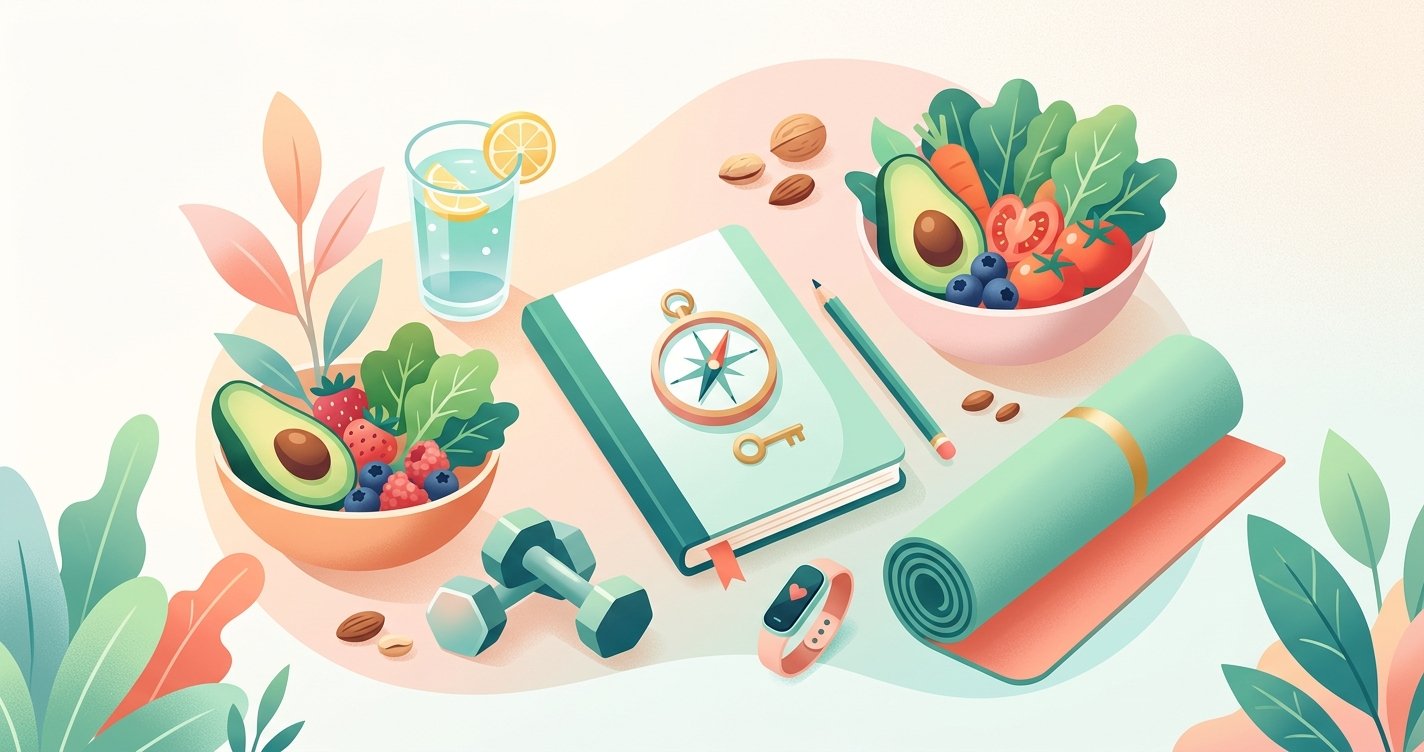
Unlock Sustainable Fat Loss: Your Friendly Guide to a Healthy Calorie Deficit
Are you tired of the endless cycle of quick-fix diets, extreme restrictions, and the frustration of seeing the scale yo-yo? You’re not alone. Many people embark on a fat loss journey with the best intentions, only to find themselves overwhelmed, discouraged, and eventually giving up. The truth is, sustainable fat loss isn't about deprivation; it's about understanding your body and making smart, consistent choices that you can stick with for the long haul.
At the heart of every successful fat loss journey lies one fundamental principle: a calorie deficit. But don't let that term intimidate you! It simply means consuming slightly fewer calories than your body uses. The magic, however, isn't just in creating that deficit, but in doing so in a way that nourishes your body, preserves your metabolism, and empowers you to build lasting healthy habits. This guide will demystify the calorie deficit, showing you how to achieve sustainable fat loss without feeling deprived, ensuring you lose fat, not just weight, and keep it off for good. this excellent wellness product
What Exactly is a Calorie Deficit, Anyway?
Think of your body as a car. Calories are its fuel. Just as a car needs fuel to run, your body needs calories for everything from breathing and thinking to exercising and digesting food. Your Total Daily Energy Expenditure (TDEE) is the total number of calories your body burns in a day.
A calorie deficit occurs when you consistently consume fewer calories than your TDEE. When this happens, your body has to tap into its stored energy reserves – primarily fat – to make up the difference. This process is essential for fat loss. Without a calorie deficit, your body simply won't have a reason to burn stored fat. It's a fundamental law of thermodynamics applied to your body, and understanding it is the first step towards taking control of your weight.
It’s important to distinguish between losing 'weight' and losing 'fat'. While the scale might drop rapidly with extreme deficits (often losing water and muscle), our goal for sustainable fat loss is to specifically target body fat while preserving precious muscle mass. This is crucial for maintaining a healthy metabolism and a toned physique.
Finding Your Sweet Spot: Calculating Your Sustainable Deficit
So, how do you figure out your TDEE and create a sensible deficit? It's easier than you might think! While exact numbers can be tricky, we can get a very good estimate.
- Estimate Your Basal Metabolic Rate (BMR): This is the number of calories your body burns at rest, just to keep vital functions going. Online calculators often use formulas like Mifflin-St Jeor or Harris-Benedict.
- Factor in Activity Level: Your BMR is then multiplied by an activity factor (e.g., sedentary, lightly active, moderately active, very active) to give you your TDEE. Be honest with yourself here; most people overestimate their activity.
- Create a Moderate Deficit: Once you have your TDEE, aim for a deficit of 300-500 calories per day. For example, if your TDEE is 2200 calories, aiming for 1700-1900 calories daily is a great starting point.
Why 300-500 calories? This range allows for steady, sustainable fat loss (typically 1-2 pounds per week) without being so aggressive that you feel constantly hungry, deprived, or risk losing muscle mass. An overly aggressive deficit can also slow down your metabolism, making future fat loss harder. Remember, the goal is consistency and sustainability, not speed at all costs.
Fueling Your Body Smartly: Nutrition Strategies for Fat Loss
Once you know your calorie target, the next step is to fill those calories with nutrient-dense foods that support your energy levels, keep you full, and preserve muscle.
Protein Powerhouse: Your Satiety Secret Weapon
Protein is king for fat loss. Research consistently shows that a higher protein intake helps you feel fuller for longer, reduces cravings, and is crucial for preserving muscle mass while in a calorie deficit. Plus, protein has a higher thermic effect of food (TEF), meaning your body burns more calories digesting it compared to fats or carbs. Aim for 0.7-1 gram of protein per pound of body weight. Think lean meats, poultry, fish, eggs, dairy, legumes, and tofu.
Fiber-Rich Foods: The Unsung Hero of Fullness
Foods high in fiber – found in fruits, vegetables, whole grains, and legumes – add bulk to your meals without adding many calories. They slow down digestion, helping you feel satisfied and preventing blood sugar spikes and crashes that lead to cravings. Moreover, fiber is vital for gut health, which plays an increasingly recognized role in overall metabolism and weight management.
Healthy Fats: Essential for Health and Satiety
Don't fear fats! Healthy fats (monounsaturated and polyunsaturated) are essential for hormone production, nutrient absorption, and satiety. While calorie-dense, a moderate intake of healthy fats from sources like avocados, nuts, seeds, and olive oil can help you feel satisfied and prevent overeating. Just be mindful of portion sizes.
Smart Carbohydrates: Fuel for Your Activities
Carbohydrates provide the energy your body and brain need, especially if you're active. Focus on complex carbohydrates like whole grains (oats, brown rice, quinoa), sweet potatoes, and plenty of vegetables. These provide sustained energy and fiber, unlike refined carbs which can lead to energy crashes and increased hunger. Timing your carbohydrate intake around your workouts can also be beneficial.
Beyond specific macros, practicing mindful eating – paying attention to your body's hunger and fullness cues – can significantly enhance your fat loss journey. Eating slowly, savoring your food, and truly listening to your body can prevent mindless overeating, even within your calorie targets.
Move Your Body, Preserve Your Muscle: The Role of Exercise
While nutrition creates the calorie deficit, exercise is your powerful partner in shaping your body, boosting your metabolism, and making that deficit even more effective for fat loss.
Strength Training is Your Ally: Build and Preserve Muscle
This is non-negotiable for sustainable fat loss. Lifting weights or doing bodyweight exercises helps you build and maintain muscle mass. Why is this so important? Muscle is metabolically active, meaning it burns more calories at rest than fat does. The more muscle you have, the higher your resting metabolism, making it easier to maintain your calorie deficit and keep fat off long-term. Aim for 2-4 strength training sessions per week, focusing on compound movements that work multiple muscle groups.
Cardio for Calorie Burn & Heart Health: Find What You Enjoy
Cardiovascular exercise, like brisk walking, jogging, cycling, or swimming, burns calories directly and is fantastic for heart health. It can help increase your daily calorie expenditure, contributing to your deficit. The best cardio is the one you enjoy and can stick with consistently. Mix in some high-intensity interval training (HIIT) for an extra metabolic boost, but balance it with steady-state cardio to avoid burnout.
NEAT: The Unseen Calorie Burner
Don't underestimate Non-Exercise Activity Thermogenesis (NEAT). This includes all the calories you burn from daily activities that aren't formal exercise – walking around, fidgeting, taking the stairs, cleaning. Small movements add up! Increasing your NEAT by taking more steps, standing more, and moving frequently throughout the day can significantly contribute to your overall calorie expenditure and fat loss.
Beyond Calories: The Lifestyle Factors That Matter
Fat loss isn't just about what you eat and how you move; it's deeply intertwined with your overall lifestyle. Neglecting these factors can sabotage even the most perfectly planned calorie deficit.
Sleep: Your Secret Fat Loss Weapon
Skimping on sleep can wreak havoc on your hormones. Lack of sleep increases ghrelin (the hunger hormone) and decreases leptin (the satiety hormone), leading to increased cravings, especially for high-calorie, sugary foods. It also elevates cortisol, a stress hormone linked to increased fat storage, particularly around the midsection. Aim for 7-9 hours of quality sleep per night to support your body's natural fat-burning processes.
Stress Management: Taming Cortisol
Chronic stress, like poor sleep, leads to elevated cortisol levels. While acute stress is normal, prolonged stress can make fat loss incredibly challenging. Find healthy ways to manage stress, whether it's meditation, yoga, spending time in nature, journaling, or connecting with loved ones. Reducing stress can directly impact your ability to lose fat and maintain your progress.
Hydration: Simple But Powerful
Drinking enough water is a simple yet effective tool for fat loss. Water can help you feel fuller, potentially reducing overall calorie intake. It's also essential for metabolic processes and helps your body function optimally. Sometimes, what we perceive as hunger is actually thirst. Aim for at least 8 glasses of water a day, more if you're active.
Overcoming Plateaus and Staying Motivated
Every fat loss journey will encounter plateaus – periods where progress seems to stall. This is normal and doesn't mean you're doing anything wrong! Your body adapts. When a plateau hits:
- Re-evaluate: Are you still in a consistent deficit? Have your activity levels changed?
- Adjust: You may need to slightly decrease your calorie intake (by another 100-200 calories) or increase your activity.
- Focus on Non-Scale Victories: Are your clothes fitting better? Do you have more energy? Are you stronger? These are huge indicators of progress, even if the scale isn't moving.
- Seek Support: Connect with a coach, a supportive community, or a friend who understands your goals.
Remember, fat loss is a marathon, not a sprint. Celebrate small wins, learn from setbacks, and be patient and kind to yourself throughout the process. Building healthy habits takes time, and consistency is far more powerful than perfection.
Embrace Your Sustainable Fat Loss Journey!
Achieving sustainable fat loss through a healthy calorie deficit is not about quick fixes or extreme measures. It's about empowering yourself with knowledge, making informed choices, and building a lifestyle that supports your health and well-being in the long run. By understanding the science behind calorie deficits, fueling your body with nutrient-dense foods, incorporating strength training and cardio, prioritizing sleep and stress management, and staying hydrated, you're setting yourself up for lasting success.
This isn't just about changing your body; it's about transforming your relationship with food, exercise, and yourself. Start small, stay consistent, and remember that every healthy choice you make is a step towards a stronger, healthier, and happier you. Your sustainable fat loss journey begins now!