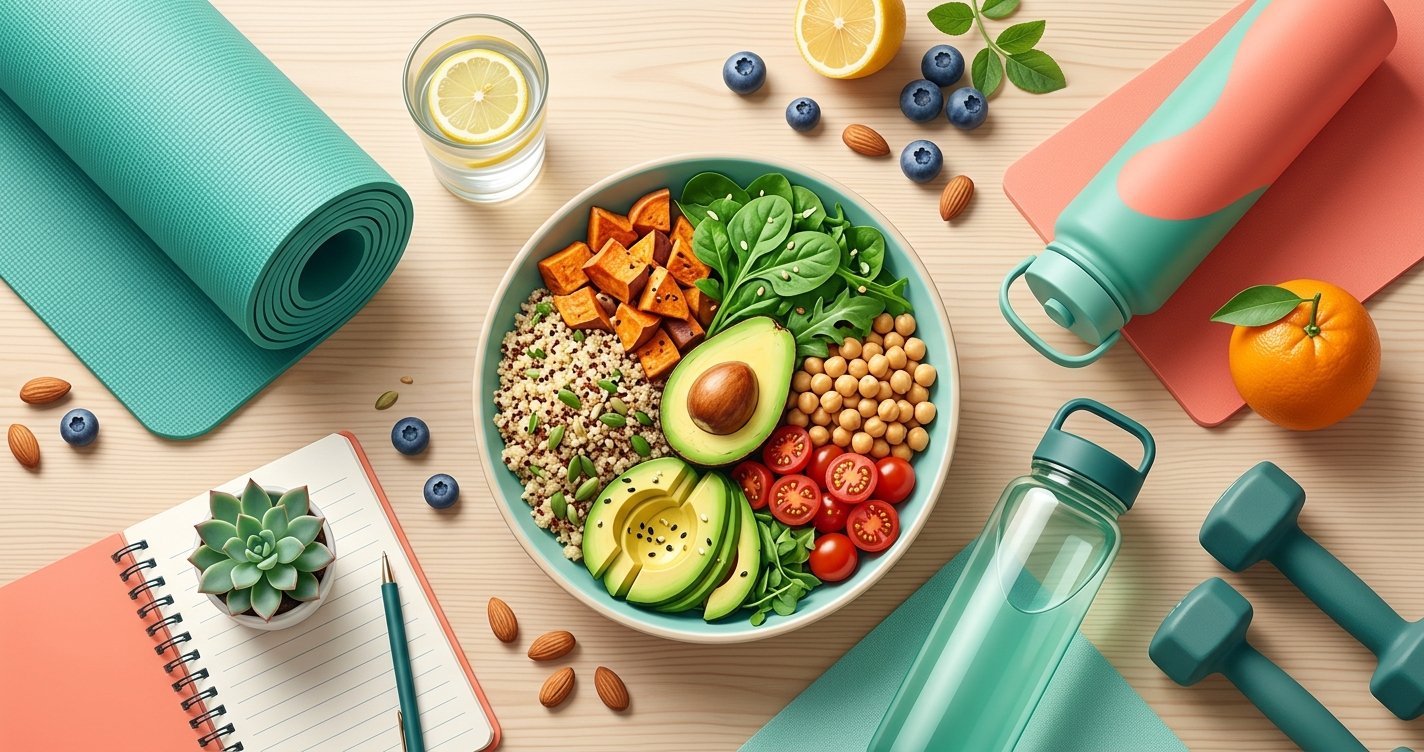
Have you ever found yourself caught in the cycle of extreme diets, rapid weight loss, and then, inevitably, regaining all the weight – and sometimes more? You're not alone. The journey to fat loss can feel like a confusing maze, with countless fads promising quick fixes. But what if there was a better way? A way that focuses not just on the scale, but on your overall well-being, leading to lasting results?
Welcome to the world of sustainable fat loss – a holistic approach that moves beyond deprivation and embraces nourishing your body and mind. This isn't about quick fixes; it's about building healthy habits that you can maintain for life. Ready to ditch the diet drama and embark on a path that truly works? this excellent wellness product
The Truth About Crash Diets: Why They Fail
Before we dive into what does work, let's briefly understand why crash diets often set us up for failure. These extreme eating plans typically involve severe calorie restriction, cutting out entire food groups, and often lead to rapid initial weight loss. While this might feel encouraging at first, the downsides are significant:
- Metabolic Slowdown: Your body perceives severe calorie restriction as starvation, slowing down your metabolism to conserve energy.
- Muscle Loss: A significant portion of the initial weight loss is often muscle, not just fat. Muscle is metabolically active, so losing it further hinders your long-term fat loss efforts.
- Nutrient Deficiencies: Restrictive diets can deprive your body of essential vitamins and minerals, impacting energy levels, mood, and overall health.
- Unsustainability: They're simply not enjoyable or maintainable long-term. This leads to burnout, cravings, and ultimately, a return to old eating patterns.
- Rebound Weight Gain: Once you stop the diet, your slowed metabolism and increased appetite often lead to regaining lost weight, sometimes even more.
The good news? There's a more effective, kinder, and more sustainable path forward.
Pillar 1: Smart Nutrition – Fueling Your Body, Not Depriving It
Nutrition is the cornerstone of fat loss. It's not about eating less; it's about eating smarter.
Calorie Deficit: The Non-Negotiable Foundation
At its core, fat loss requires a consistent calorie deficit – consuming slightly fewer calories than your body burns. However, this doesn't mean starving yourself! A moderate deficit (around 300-500 calories below your maintenance) is sustainable and effective. Focus on nutrient-dense foods that provide satiety without excessive calories.
Prioritize Protein
Protein is your best friend for fat loss. It's incredibly satiating, helping you feel fuller for longer and reducing cravings. It also has a higher thermic effect (meaning your body burns more calories digesting it) and is crucial for preserving muscle mass during a deficit. Aim for a protein source with every meal: lean meats, poultry, fish, eggs, dairy, legumes, or plant-based protein powders.
Embrace Fiber-Rich Carbs and Healthy Fats
Don't fear carbohydrates or fats! The key is choosing the right kinds. Opt for complex, fiber-rich carbohydrates like whole grains, fruits, and vegetables. Fiber aids digestion, promotes satiety, and stabilizes blood sugar. Incorporate healthy fats from sources like avocados, nuts, seeds, and olive oil. Fats are essential for hormone production, nutrient absorption, and also contribute to satiety.
Hydration is Key
Often overlooked, water plays a vital role in fat loss. It helps with metabolism, can reduce appetite, and keeps your body functioning optimally. Aim for at least 8 glasses a day, and more if you're active.
Pillar 2: Strategic Movement – Exercise for More Than Just Calories Burned
While nutrition is paramount, exercise amplifies your fat loss efforts and offers incredible health benefits.
Strength Training: Your Fat-Loss Superpower
If you're not lifting weights, you're missing out! Strength training builds and preserves muscle mass, which is crucial for a healthy metabolism. More muscle means your body burns more calories at rest. Aim for 2-4 strength training sessions per week, focusing on compound movements that work multiple muscle groups.
Cardio: The Heart of the Matter
Cardiovascular exercise, like brisk walking, jogging, cycling, or swimming, burns calories, improves heart health, and boosts endurance. Integrate both steady-state cardio (moderate intensity for a longer duration) and high-intensity interval training (HIIT) into your routine for varied benefits. Listen to your body and find activities you enjoy!
NEAT: The Unsung Hero of Daily Activity
NEAT (Non-Exercise Activity Thermogenesis) refers to the calories you burn through everyday movements not classified as formal exercise. Think walking to work, taking the stairs, gardening, or fidgeting. Increasing your NEAT can significantly contribute to your daily calorie expenditure. Small changes add up!
Pillar 3: Rest and Recovery – The Unseen Fat Loss Accelerator
Your journey doesn't stop when you leave the gym or the kitchen. Rest and recovery are absolutely critical.
The Power of Sleep
Lack of sleep can wreak havoc on your hormones, increasing ghrelin (the hunger hormone) and decreasing leptin (the satiety hormone). This makes you hungrier, especially for unhealthy foods, and can impair your body's ability to burn fat effectively. Aim for 7-9 hours of quality sleep per night.
Stress Management
Chronic stress elevates cortisol levels, a hormone that can promote fat storage, especially around the midsection. Find healthy ways to manage stress, whether it's meditation, yoga, spending time in nature, or hobbies you enjoy. Prioritizing mental well-being is not a luxury; it's a necessity for sustainable fat loss.
Pillar 4: Mindset and Consistency – The Long Game
True transformation happens when you cultivate a positive mindset and commit to consistency.
Set Realistic Goals
Forget the idea of losing 20 pounds in a month. Aim for a sustainable fat loss rate of 1-2 pounds per week. Celebrate small victories and focus on progress, not perfection.
Practice Mindful Eating
Pay attention to your body's hunger and fullness cues. Eat slowly, savor your food, and avoid distractions. Mindful eating can help you recognize when you're truly hungry versus eating out of boredom or emotion.
Embrace Imperfection and Learn from Setbacks
There will be days when you overeat, miss a workout, or feel discouraged. That's perfectly normal! The key is not to let one slip-up derail your entire journey. Learn from it, adjust, and get back on track. Consistency over time, not perfection every single day, is what truly matters.
Putting It All Together: Your Sustainable Fat Loss Roadmap
Sustainable fat loss isn't about following a rigid diet; it's about building a lifestyle that supports your health and well-being. It's a journey of self-discovery, learning what works best for your body, and treating yourself with kindness and patience.
- Start Small: Don't try to change everything at once. Pick one or two habits to focus on each week.
- Educate Yourself: Understand the basics of nutrition and exercise.
- Listen to Your Body: Pay attention to how different foods and activities make you feel.
- Seek Support: Share your journey with friends, family, or a professional.
- Be Patient: Sustainable results take time. Celebrate every step of the way.
Remember, this isn't a race; it's a marathon. By adopting a holistic approach that prioritizes smart nutrition, strategic movement, adequate rest, and a positive mindset, you're not just losing fat – you're building a healthier, stronger, and more vibrant you for life. You've got this!